

Why we swapped ovens for IR in bio-sensor fabrication
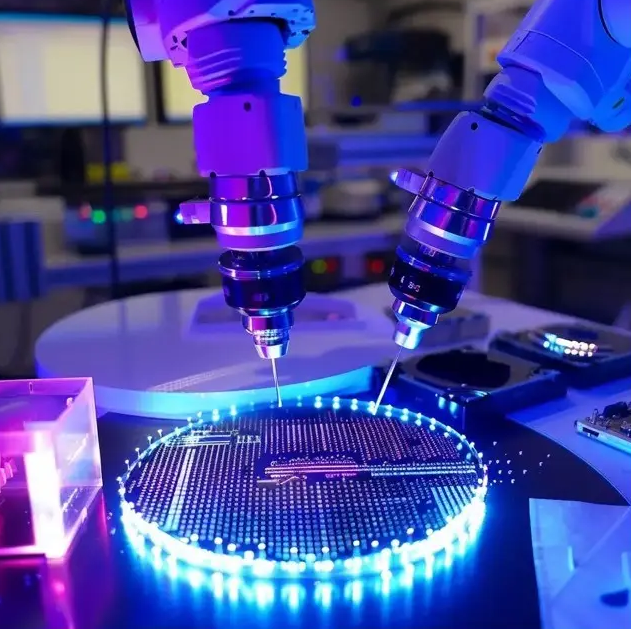
When you’re making bio-sensors, curing and drying are where things usually get tedious. For a long time, everyone just used big convection ovens. But here’s the thing: heating up a whole room of air just to warm up a tiny substrate is a massive waste of energy. That’s why we switched to infrared (IR) lamps. Instead of waiting for the air to get hot, the IR hits the substrate directly. It’s cleaner, faster, and just makes more sense.
The speed factor
We usually go with shortwave IR lamps because they pack a lot of punch into a small space. The difference in speed is wild. You go from waiting hours for an oven to ramp up to waiting a few seconds. It’s almost instant. That doesn’t just save you time; it slashes the kWh you’re using per wafer. Just a heads-up: if you’re running high-wattage tubes, make sure your power supply can take the initial hit when they kick on.
Keeping the cleanroom actually clean
In a bio-sensor or semiconductor setup, one tiny bit of metal dust can ruin an entire batch. It’s a nightmare. To stop that, we use high-purity quartz envelopes to keep any nasty gasses from leaking out. We also coat the lamps to tweak the light spectrum. This lets the heat soak into the bio-active layers without scorching the surface. And since we use standard industrial connectors, replacing a burnt-out tube is a quick fix. No one likes spending half a day on maintenance.
Going green (and the catch)
Moving to IR is one of the easiest ways to actually make a factory “green.” You can ditch those huge, power-hungry ventilation systems that gas ovens need. Since the heat moves via radiation rather than blowing hot air around, the carbon footprint just shrinks. But it isn’t magic. IR is directional. You can’t just toss a lamp in and call it a day. If your reflectors aren’t dialed in, you’ll get cold spots on your sensor array. That leads to uneven curing and sensor drift, which is a headache you don’t want. You’re basically trading the “set it and forget it” vibe of an oven for a system that requires a bit more tuning, but the precision you get in return is worth it.