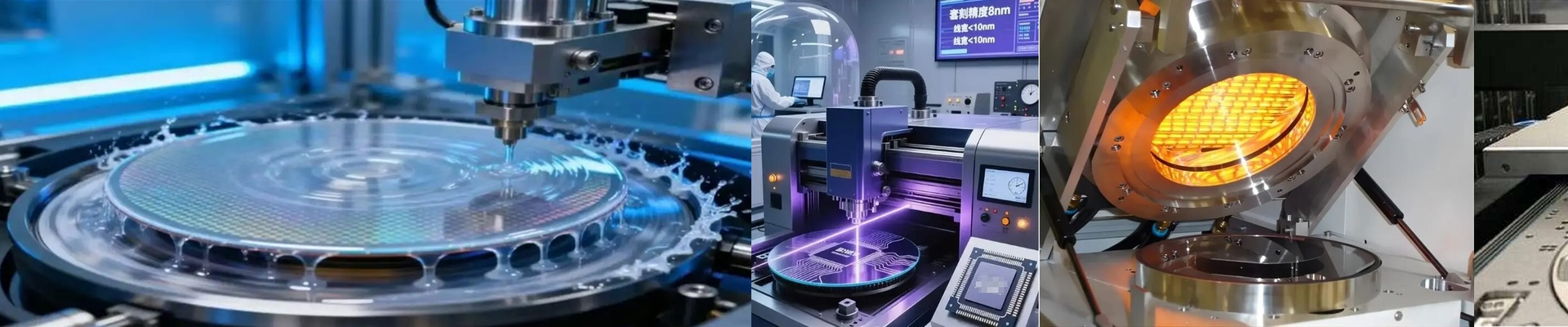

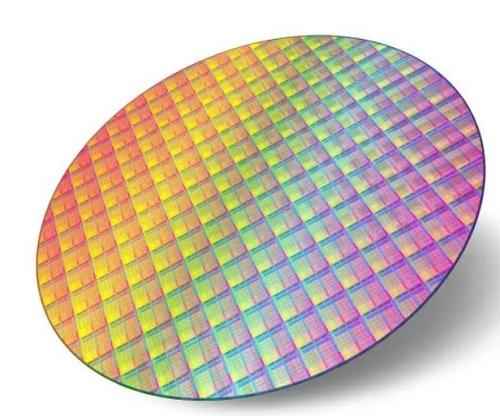
On the fab floor, a 0.3°C drift in the photoresist bake can turn into a linewidth excursion that scraps an entire lot. In high-volume wafer manufacturing, thermal control isn’t a nice-to-have—it’s the line between making yield and making scrap.
What matters under the hood
We build wafer heaters for production realities, around repeatable temperature performance that fits semiconductor process windows. Across the chuck, we target wafer-level uniformity of ±0.1°C, and setpoint stability stays tight through soft bake and hard bake. The design uses short-wave or medium-wave infrared with quartz components to keep particle generation and outgassing low. Cleanroom compatibility covers Class 1 to Class 100. You can count on 24/7 uptime with MTBF in the tens of thousands of hours, and service that runs on planned preventive maintenance, not panic fixes.
Why this matters on the line
Inside lithography tracks and coat/bake modules, that thermal behavior is what keeps the process centered. Photoresist response becomes predictable, CD and overlay variation drops, and defectivity falls when thermal excursions stop happening. Fewer reworks, tighter control plans, and a lower cost per wafer follow. Energy efficiency comes along for the ride—optimized radiant coupling and smart thermal management cut energy draw without giving up ramp rates or soak stability.
The practical details
Matching the heater to the tool interface isn’t optional. Confirm chuck geometry, wafer size, voltage, and connector specs before integration, and plan for cleanroom-compliant exhaust and shielding. Temperature performance is sensitive to ambient conditions and line voltage stability, so specify a clean power feed and controlled airflow around the module. Set it up right, and the system becomes a dependable process anchor—not another source of variation.