


Getting the Heat Right for Bio-sensor Wafers
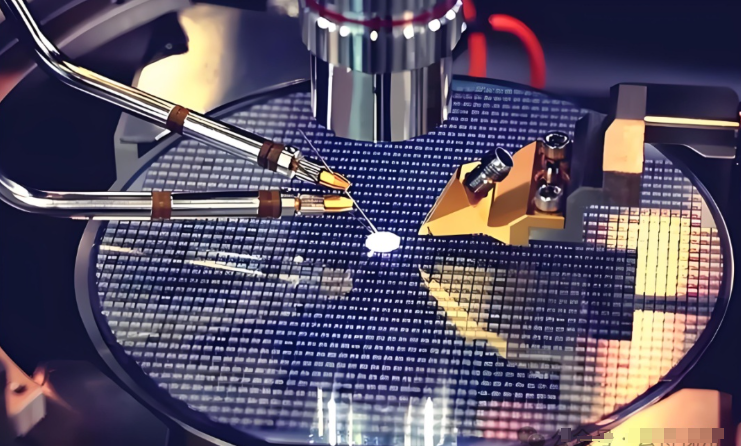
When you’re trying to get heat to hit a wafer surface evenly, you’re basically fighting a battle with physics. Most standard infrared lamps are pretty wasteful—they just throw heat in every direction, 360 degrees. But when you’re working with delicate bio-layers, you can’t have “warm spots” or “cold zones.” It just doesn’t work. That’s why we started putting high-purity gold-coated reflectors right into the lamp assembly. Why gold? It sounds fancy, but it’s actually practical. Gold is just better than aluminum or polished steel at bouncing infrared radiation back where it belongs. While aluminum does a decent job, gold grabs those long-wave IR photons that would normally just disappear into the machine chassis and kicks them right back onto the wafer. It focuses the energy. You get more actual heat on your target without having to crank the power supply to the max. The balancing act Here’s the catch: when you concentrate that much energy on a surface, things get hot. Fast. If you push for maximum flux, your cooling manifold has to be able to keep up. If you don’t have a solid heat sink for the lamp ends, you’re looking at burnt-out filaments or a warped housing. We spend a lot of time balancing the wattage so the wafer hits that perfect curing temperature without melting everything else around it. How this helps in the lab Bio-sensors are picky. You need a very specific thermal profile to make sure chemicals bond correctly without frying the proteins or enzymes. These gold-coated lamps give you a tight, controlled heat footprint. You can ramp up to temperature faster and hold it steady without those annoying fluctuations. Plus, it’s a simple drop-in replacement for your old IR setup. You stop wasting energy, and your cleanroom HVAC doesn’t have to work nearly as hard to keep the room cool.