

Introduction
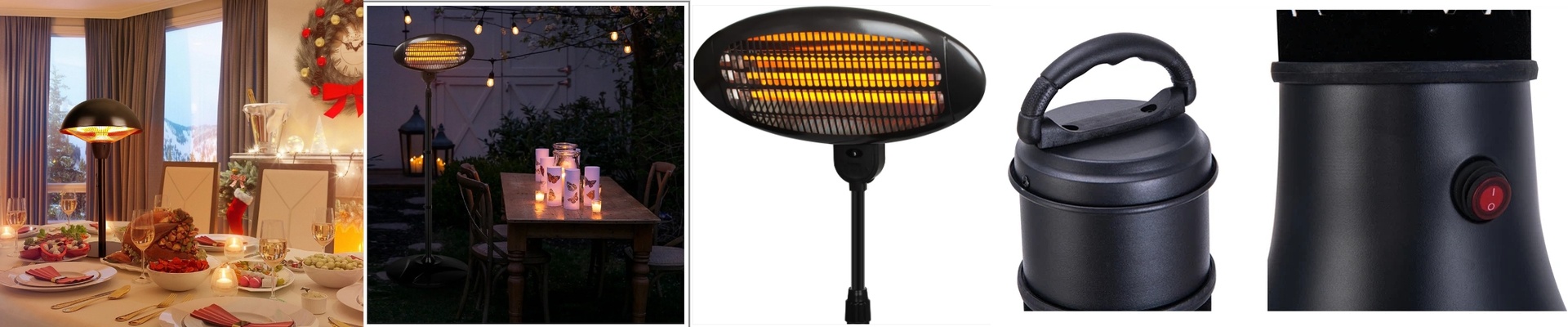
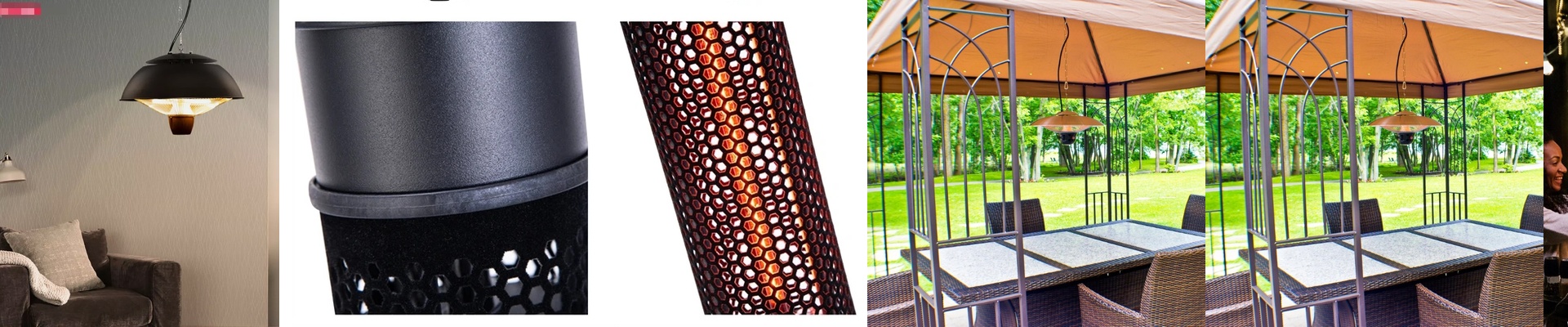
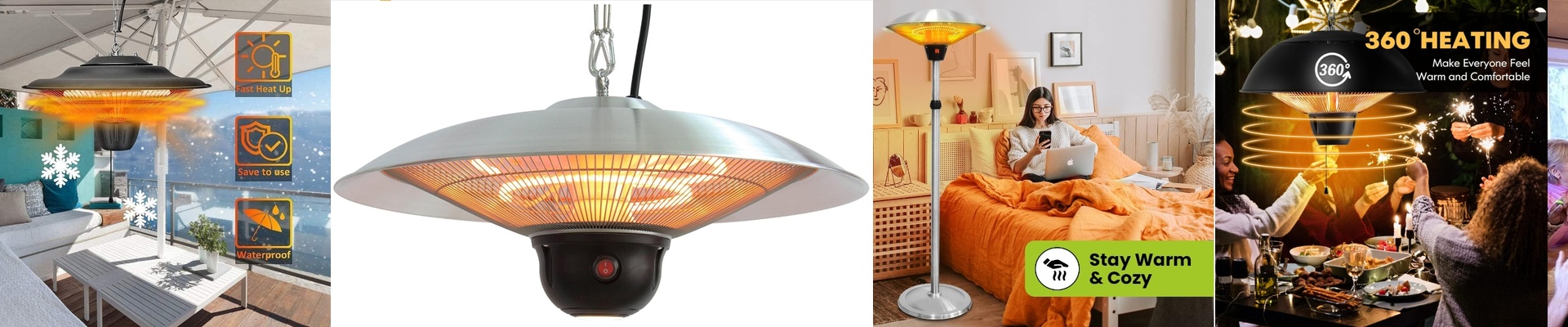
When we set out to build a heater for your baby’s room, we had one thing on our minds: clean, focused warmth. We leaned on halogen infrared technology because it does something pretty special. It creates a gentle, localized heat that wraps around the nursery, without messing with the air. The heart of it all is a high-intensity quartz tube, fitted with an R7s base. It heats up almost instantly, and gives you a level of control that feels just right in a small, quiet space.
A Closer Look at How It Works
Here’s the thing about these heaters: they’re built for the real world. They come in configurations that run on standard 220V–240V or 400V, with power ranging from 1000W to 2500W. That range lets you match the heater to the size of the room and where you plan to mount it. Even the 300mm quartz tube is designed with a purpose. It packs a lot of heat into a small footprint, giving you serious warmth without overloading your home’s circuit. Just make sure the voltage of your outlet matches the heater. If it doesn’t, you’ll get less heat, and you’ll put unnecessary stress on the internal components.
The Materials Matter
The quartz tube is filled with halogen gas. Why does that matter? It keeps the filament stable, even when it’s glowing hot. This helps it last a lot longer than a standard incandescent bulb would. And the R7s connector? It’s a simple, two-pin design that does two things really well. It locks the tube in place securely, and it carries the current without creating hot spots at the connection. When it’s time to replace the tube, it’s a quick and easy job. Just pop the old one out and drop the new one in.
What It Feels Like in the Nursery
Infrared heat is different. It warms objects and people directly, instead of trying to heat the entire room full of air. That means the room feels warm faster, and you don’t get those annoying temperature swings. The trade-off is that it’s line-of-sight heating, so where you place it really does matter. Just keep in mind that the surface and the housing will get hot, so it’s important to follow the clearance guidelines and keep it out of reach. This is a tough, dependable setup, but like any heater, it needs proper airflow and a solid mount to perform its best and last for years.