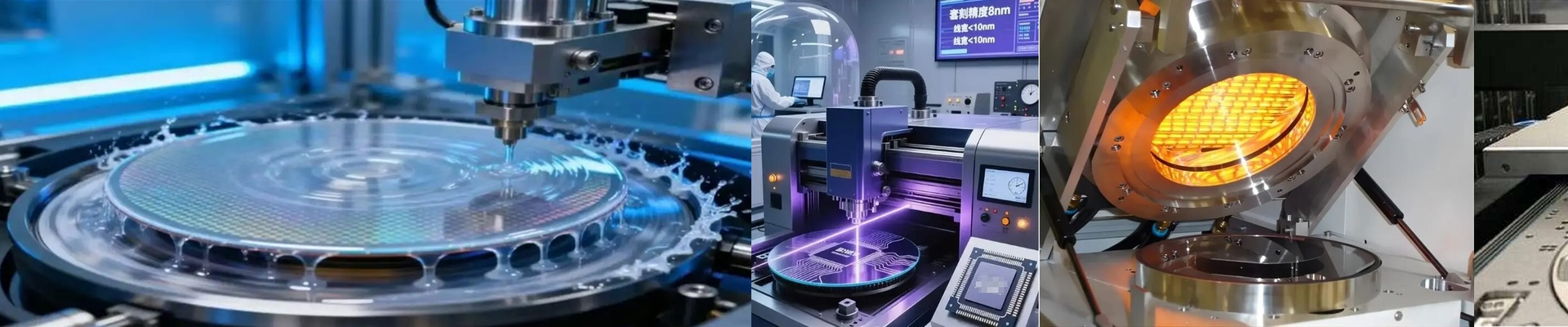

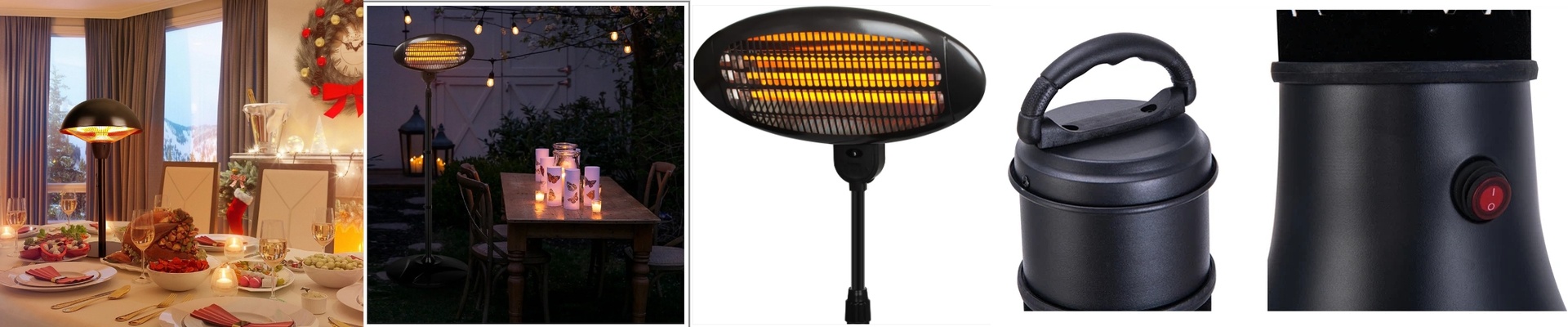
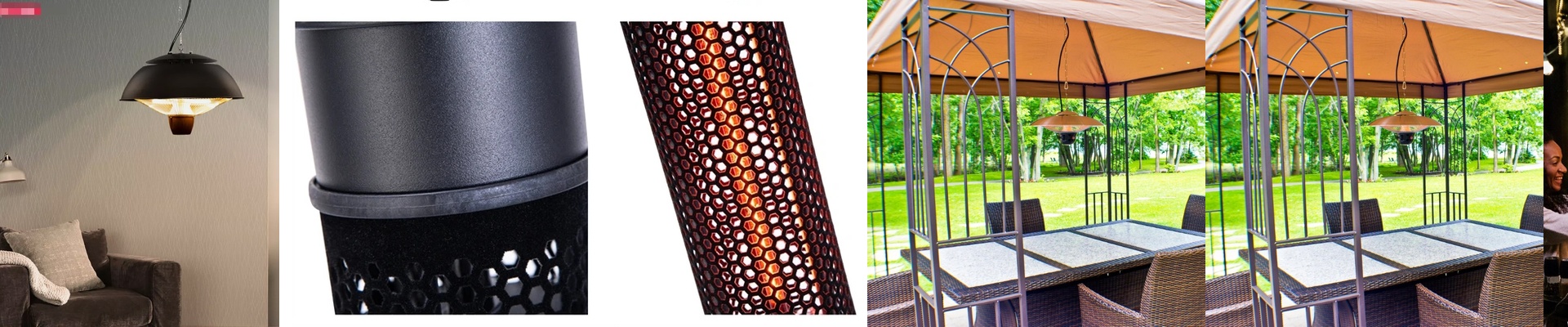

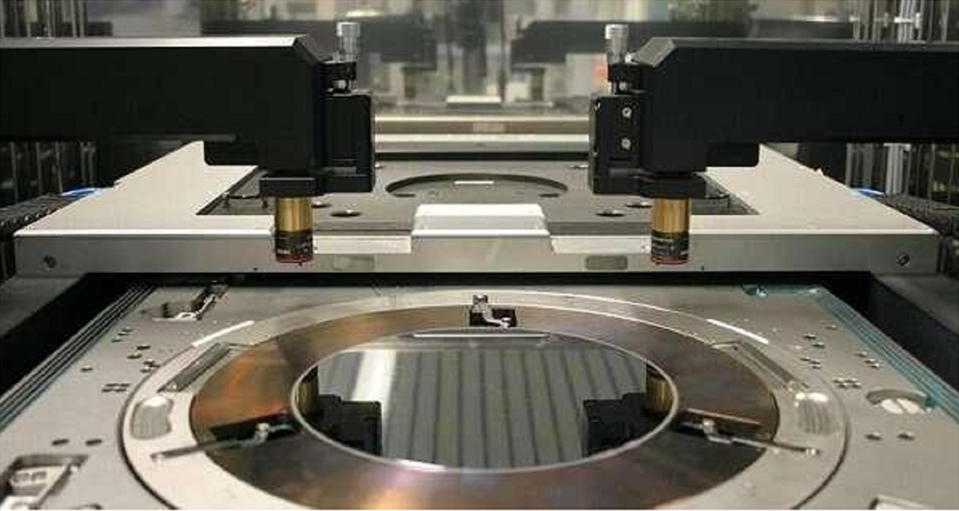
On a 300mm line, you can watch yield slip away with a 0.5°C drift during photoresist bake. Linewidth control goes sideways fast. We built our wafer dryer bulb to kill that variability—and to keep running when the fab runs 24/7. What matters, technically The bulb holds tight thermal uniformity across the wafer plane—±0.1°C—so soft bake and hard bake profiles stay honest, lot after lot. Fast thermal response cuts soak time without blowing up the profile, which trims cycle time and lowers energy draw. The emitter sits comfortably in Class 1–100 cleanrooms, generating zero particles and no outgassing that could foul photoresist. Expect long life and stable output: 5,000+ hours with less than 5% lumen and temperature drift, so it can take the heat of 7×24 operation without unplanned downtime. Why it plays in lithography and resist processing Repeatability is the only scoreboard. The bulb holds setpoint stability under repeated loads, so critical dimensions track to spec and rework drops. Thermal uniformity cuts edge-of-wafer defects, and the fast settling makes qualification cleaner across products and machines. You end up with fewer recipe tweaks, stable particle counts, and maintenance you can actually plan. Energy use falls because the system hits temperature and holds it efficiently, without overshoot. Here are the field realities Installation is straightforward, but the bulb has to be matched to the right fixture and thermal feedback path. If the sensor placement is off, you won’t realize that ±0.1°C advantage. Before you swap, verify voltage and connector compatibility with your dryer module, and confirm cleanroom material ratings for your solvent and photoresist environment. Replace on schedule, not on failure.