


Stop Wasting Your Watts: Why Gold Reflectors Actually Matter
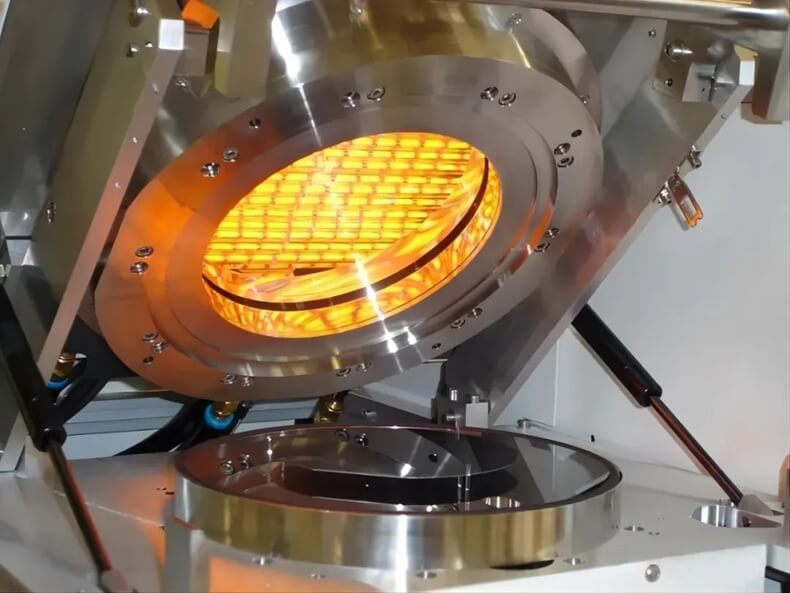
In wafer fab, every watt counts. If you’re just using a standard IR emitter, you’ve got a problem: it pushes energy in every direction. But your wafer is only on one side. Without a solid reflector and a tight end-cap setup, you’re basically heating up your machine’s chassis instead of your product. It’s a waste. That’s why we use gold-coated reflectors. It’s a simple fix that flips all that wasted energy right back onto the target. Why gold? Look, aluminum is cheaper, sure. But it oxidizes. It loses its punch. Gold doesn’t do that. It’s the gold standard for infrared reflectivity for a reason. By layering high-purity gold onto the reflector, we make sure almost every bit of electricity you put in becomes directed heat. You get a tighter heat flux on the wafer, which means you don’t have to crank the power as high to hit your target temperature. It’s just more efficient. The unsung hero: Ceramic end caps A fancy gold reflector doesn’t mean much if your emitter leaks or the connection fries. That’s where the ceramic end caps come in. These things are built to take a beating. They handle the constant expanding and contracting that happens in semiconductor tools without flinching. Plus, they keep the quartz tube dead-center. If your alignment is off by even a couple of millimeters, your heat profile goes sideways, and you’ve got an uneven wafer. Not a good look. The trade-off you need to know about Here’s the catch. When you concentrate this much energy, things get hot. Really hot. Because the IR energy is so focused, the emitter tube itself runs hotter than usual. You can’t just ignore that. You need to make sure your cooling fans or water-jackets are actually up to the task. If your cooling is weak, you’re just trading energy efficiency for a shorter lamp life. Keep your cooling dialed in, wire it up right, and you’ll get a precise, high-energy thermal footprint every single time.