Stop Wasting Heat on Your Equipment Walls
Heating a silicon wafer takes a massive amount of energy. But here’s the problem: most IR lamps just throw that heat in every single direction. It’s a waste. When your lamps radiate 360 degrees, the inner walls of your expensive machinery end up soaking up all that excess energy. You end up with a chassis that’s hot to the touch—which is a nightmare for the people operating the machine—and your cooling systems have to work overtime just to keep things from melting down.
Getting the Heat Where it Actually Belongs
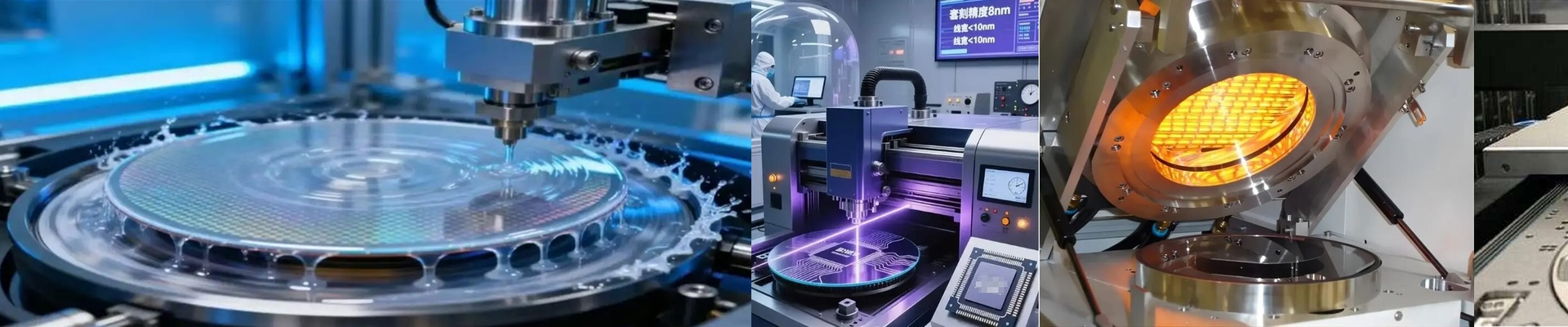
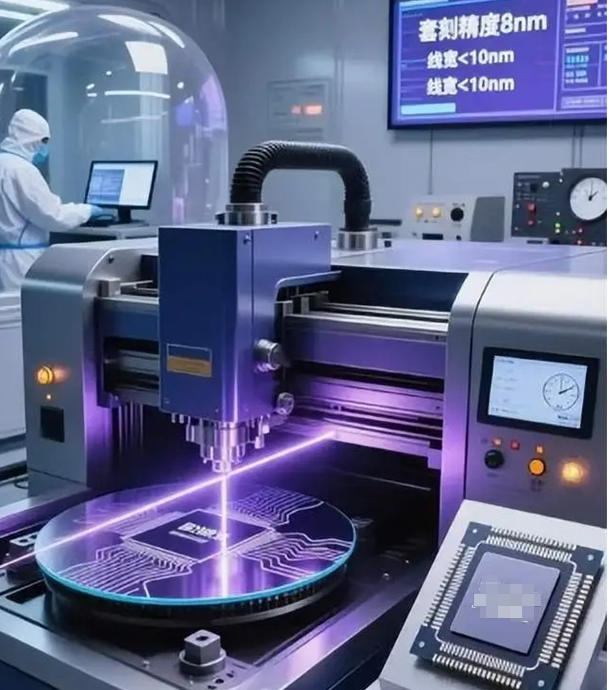
We figured out a better way. Instead of using a standard quartz tube that sprays heat everywhere, we use specialized reflectors and filtered emitters. Think of it like switching from a lightbulb to a flashlight. We focus the IR beam directly onto the wafer surface. By tightening that angle, we stop the “stray” heat from hitting the chamber walls. The result? The wafer gets the heat it needs, and the walls stay cool. Simple.
The Technical Trade-offs
To make this work, we’re very picky about the wavelength. We stick with short-wave IR because it actually gets into the wafer, rather than just bouncing off the surface like long-wave radiation does. But there is a catch. When you concentrate a beam like this, you’re dealing with a lot of intensity in a small area. If your PID controller isn’t dialed in perfectly, you might end up with hot spots. You have to find that sweet spot between the beam angle and your ramp-up speed so you don’t accidentally shock the material.
Why This Actually Matters
When you stop fighting the heat in your chamber walls, everything gets easier. You can push for higher throughput without having to buy bigger cooling fans or beefier water jackets. Your thermal management system becomes smaller and way less complicated. Plus, it’s just better for the bottom line. You’re spending less on utilities and your shop floor is a safer place to work. It just makes sense.