


Stop Guessing Your Heat: Making IR Systems Actually Smart
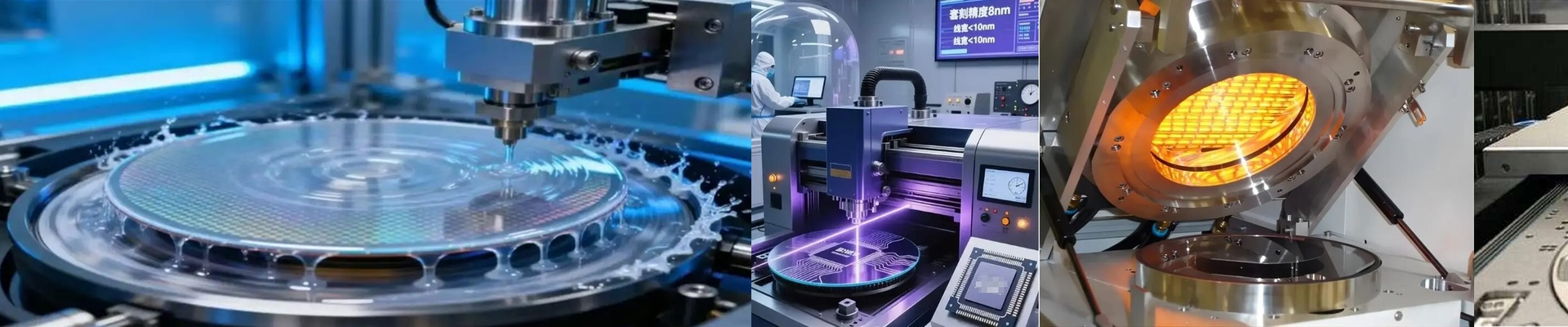
If you’re planning a Fab plant, you’ve probably realized that just “cranking up the heat” doesn’t cut it anymore. You don’t just need heat; you need to know exactly what that heat is doing to your product. Most infrared lamps are basically blind. You set the power, cross your fingers, and hope the workpiece hits the right temperature. It’s a bit of a gamble. But there’s a better way. By tucking sensors right into the infrared packaging, we turn a simple heat source into a source of actual data. No more blind spots. Instead of sticking bulky external probes everywhere—which just get in the way and mess up your floor plan—the sensors live inside the hardware. They track thermal flux and surface temps in real-time. That data feeds straight back into your PLC. If the line slows down for some reason, the system catches it and dials back the power on the fly. It’s the difference between a perfect finish and a pile of burnt scrap. The nitty-gritty on the hardware We focus on data you can actually trust. The emitters are paired with high-response sensors built to survive the brutal radiation of a Fab environment. They talk to your software via standard industrial protocols, which means you can actually see the heat distribution across your conveyor. If one zone starts running too hot, you’ll see the flag immediately. You fix it before the part is ruined. The trade-off (because there’s always one) Here’s the thing: adding sensors makes your wiring a bit more crowded. You aren’t just running power cables anymore; you’ve got signal lines in the mix. You have to be obsessive about your shielding. High-wattage heating elements create a lot of electrical noise (EMI). If your shielding is cheap or weak, your data will be a mess. But once you get the wiring right? You stop relying on timers and guesswork. The heat simply follows the product. It just works.