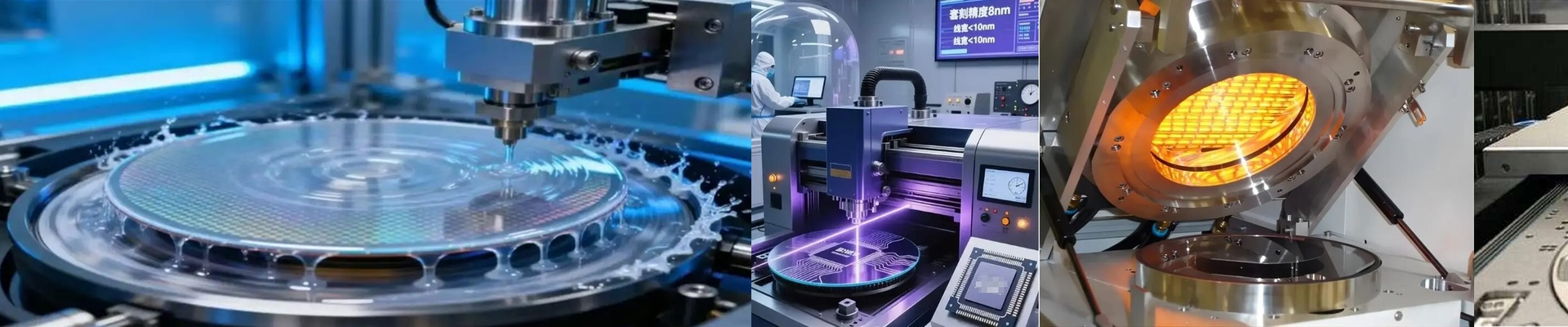
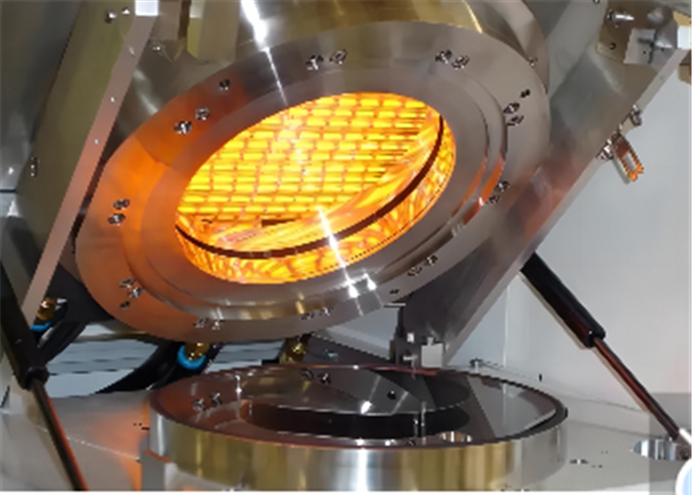
On a 300mm line, you know the drill: a 1°C drift during the photoresist bake and your critical dimensions are suddenly out of spec. We built a carbon fiber infrared lamp system to keep that from happening. It swaps out the usual halogen and quartz sources for a carbon fiber emitter tuned for NIR, so you get fast, even heat—no hot spots. Here’s the part you can measure. Wafer-level thermal uniformity hits ±0.1°C across the bake surface, and repeatability stays inside that band cycle after cycle, thousands of times. The response is sub-second, which gives you tight control over both soft bake and hard bake profiles. The lamp runs clean in Class 1–100 spaces, with zero particle events, and it meets the low outgassing requirements of advanced lithography stacks. Energy draw drops up to 30% compared to halogen, and the emitter is good for 5,000+ hours at full output with less than 5% decay. What does that translate to on the floor? Tighter CD control, fewer rework lots, and yields that hold steady as nodes keep shrinking. You can run thinner photoresist without second-guessing, keep glass transition behavior consistent across the wafer, and stop thermal budget from drifting between tools. It drops into existing coat/bake tracks, using standard interfaces and calibration routines so you don’t have to re-qualify the process. Installation comes down to managing thermal load and line-of-sight geometry. The carbon fiber element doesn’t like mechanical stress, so mounting has to avoid cantilevered fixtures and give it room to expand cleanly. Plan a short commissioning run to map emissivity across the zone and tune the PID profile to your resist stack. Once you get it aligned, the lamp delivers the kind of stability the fab floor demands—day in, day out.