
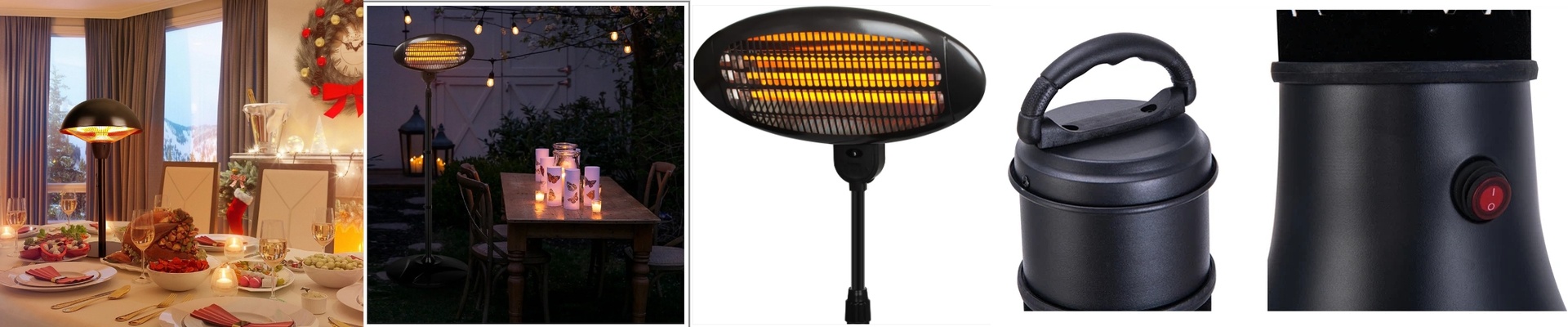



In municipal buildings—libraries, community centers, maintenance shops—winter heating isn’t just about comfort. It’s a budget line that can get away from you. Conventional forced-air systems heat air that rises and leaks out through roofs and vents, while people on the floor still feel cold. The result is predictable: high energy draw, uneven warmth, and annual heating costs that climb.
What matters, technically
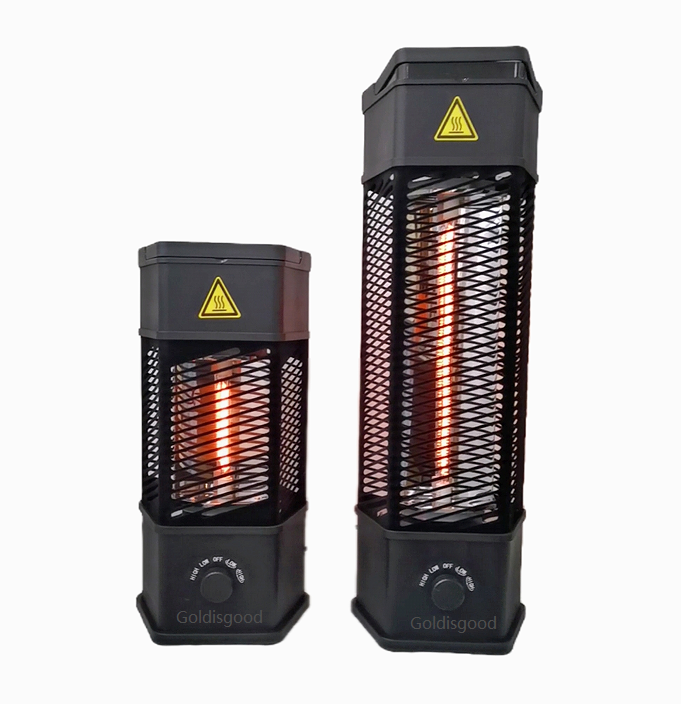
Carbon crystal infrared heaters deliver warmth the way the sun does—radiating heat directly to people, floors, and equipment, not to the air. The heart of it is the carbon fiber element. It heats quickly and produces medium-wave infrared warmth, giving you a gentle, even comfort without the harsh glare you get from short-wave units. In practice, that means faster warm-up, more stable surface temperatures, and less energy wasted heating the ceiling. Add accurate thermostats and solid safety protections, and the system runs only when it needs to. It responds immediately when doors open and close.
Why it fits these buildings
Public buildings run on partial occupancy: meeting rooms used for an hour, workshops occupied in bursts, lobbies that see traffic in fits and starts. Radiant heat matches that rhythm. Heat comes on demand—no long warm-up, no overheating empty space. In rooms with high ceilings, where warm air rises and disappears, infrared warmth stays lower, keeping people comfortable where they actually stand and sit. That targeted delivery typically cuts overall energy use. The payoff shows up as lower utility bills and fewer maintenance calls—fewer drafts, fewer complaints, and fewer thermostat tweaks.
What you need to know
Carbon crystal infrared heaters are straightforward to install, but placement matters. Aim the heaters toward the usual work and gathering zones, and don’t block the radiant path with tall furniture or storage racks. For best results, match the unit to the room size and local voltage, and make sure the circuit can handle the total load when multiple heaters run at once. In very damp areas, pick models with the right moisture protection, and keep clearances clear for safety and airflow.