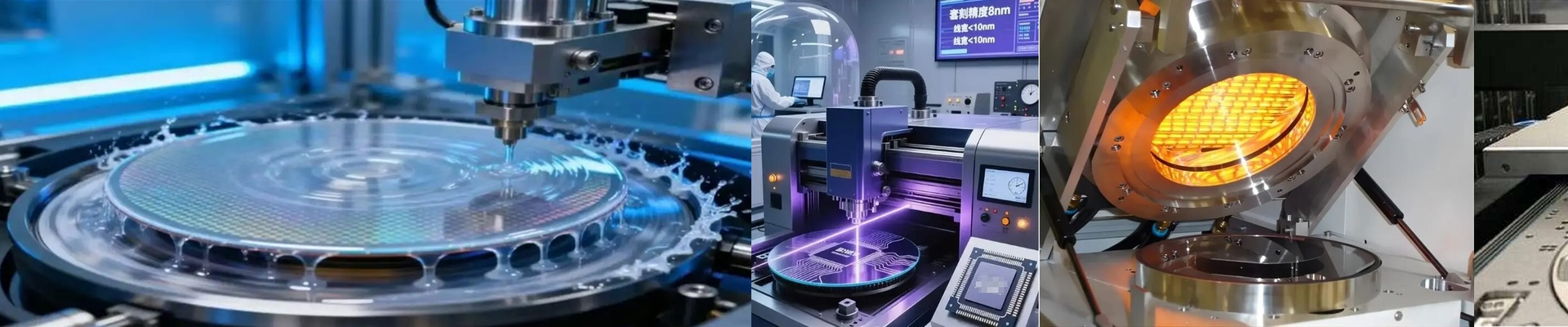





The garage is no easy environment for an electric heater. The door swings wide, damp air rolls in, dust settles everywhere, and the space sits cold for hours. You hit the switch expecting heat, and when it falls short, the whole day stalls—workshop projects drag, pre-warming the car turns into a guessing game, and comfort becomes a bargain you keep negotiating. That’s why we put every garage electric heater through punishing aging tests inside controlled hot-and-humid chambers. We’re not chasing perfect-day performance. We want a heater that starts fast, holds steady, and keeps working when the real world shows up.
What actually matters, technically
Garage heating isn’t about moving air. It’s about infrared warmth that reaches people and objects directly. In our electric heaters, the radiant element is built to deliver high output in a compact footprint, putting heat where you need it—under the workbench, beside it, or right at the car door. The details tell the story:
- Infrared heating elementsare chosen for fast heat-up and consistent output. Quartz and carbon-based elements come up quickly, so you don’t have to wait around for the space to “feel” warm.
- Power and coverageare matched to typical garage sizes. We size the heater to deliver the right level of radiant heat for the area you actually use—targeted warmth, not trying to heat every square foot of a cavernous room.
- Thermostat controlkeeps the space from swinging between too cold and too hot. A built-in thermostat helps maintain comfort without constant fiddling.
- Safety and durabilityare built in, not bolted on. Tip-over protection shuts the unit off if it gets knocked over, and overheat protection prevents runaway heat. The housing is engineered for garage conditions, and electrical components are sealed against dust and moisture ingress.
- Installation flexibilitymatters. Many garage electric heaters are designed for straightforward wall mounting using standard wiring practices, so you can put the heat where it makes sense. None of these choices are here to impress anyone on paper. They’re here so the heater behaves predictably—every time.
Why this approach holds up in a garage
A garage heater earns its keep when it handles the way a garage actually lives. You get warmth that feels immediate. Infrared warmth starts at the element and radiates outward, warming your hands, your tools, and the engine bay without waiting for the air to warm up. That means less time standing around waiting, and more time getting the job done. Reliability shows up as fewer interruptions. Moisture can creep into places you can’t see—connections, seals, and internal components—so we age the unit in humid conditions before it leaves the factory. That reduces the chance of early failure, and you get a heater that keeps delivering steady output season after season. Efficiency shows up as comfort without sky-high bills. Radiant heat concentrates warmth where you are, so you don’t have to overheat the whole space just to feel decent. Paired with thermostat control, you can maintain a usable temperature without running the heater full-time. And peace of mind shows up as safety you can trust. Tip-over protection and overheat protection aren’t add-ons; they’re part of the core design. In a busy garage, spills, bumps, and temporary clutter happen. The heater should respond like a sensible appliance—shutting down when conditions aren’t right.
The practical stuff you’ll deal with on the job
Even the most dependable garage electric heater has real-world limits. Placement matters. Radiant heat travels in straight lines, so aim the heater at the areas you use most. Don’t block the path with big storage racks, and keep the unit mounted high enough to reduce contact risks while still directing warmth downward. Match the heater to the space. Too small, and it will run constantly. Too large, and you’ll get uneven warmth. Use the manufacturer’s coverage guidance as a starting point, then adjust for how often you open the garage door and how well the space is insulated. Installation needs real attention to wiring. Many garage heaters require a dedicated circuit and should be installed by a qualified electrician. This isn’t a “plug it in and hope” category—proper voltage, proper wiring, and secure mounting are what make the heater reliable over the long haul. Keep airflow in mind, too. Infrared warmth is direct, but drafts still affect comfort. If your garage is drafty, pair the heater with basic sealing—weatherstripping and insulated doors—so the warmth you’re paying for doesn’t disappear every time the wind shifts. We test these heaters hard because the garage doesn’t care about comfort—it only throws conditions at you. You deserve a heater that turns those conditions into a place you can work, tinker, and stay warm, without compromise.