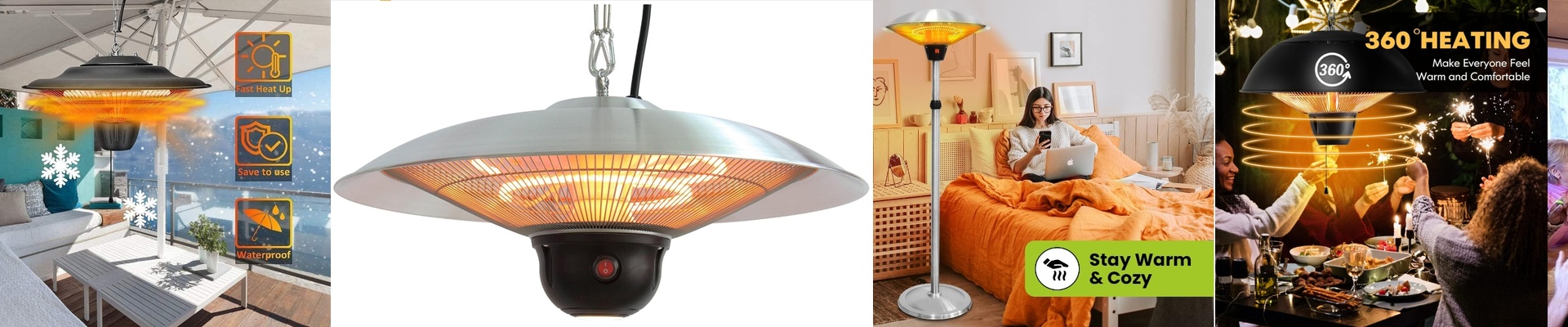

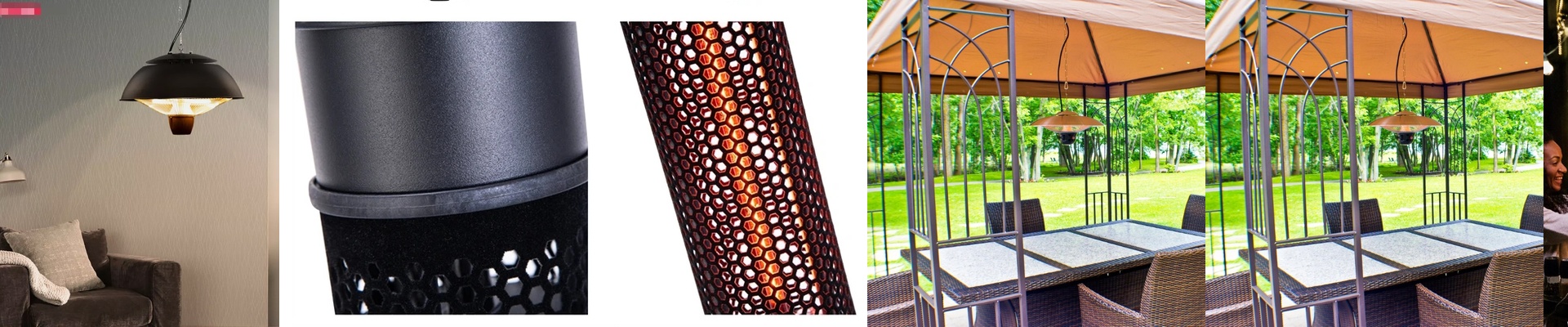
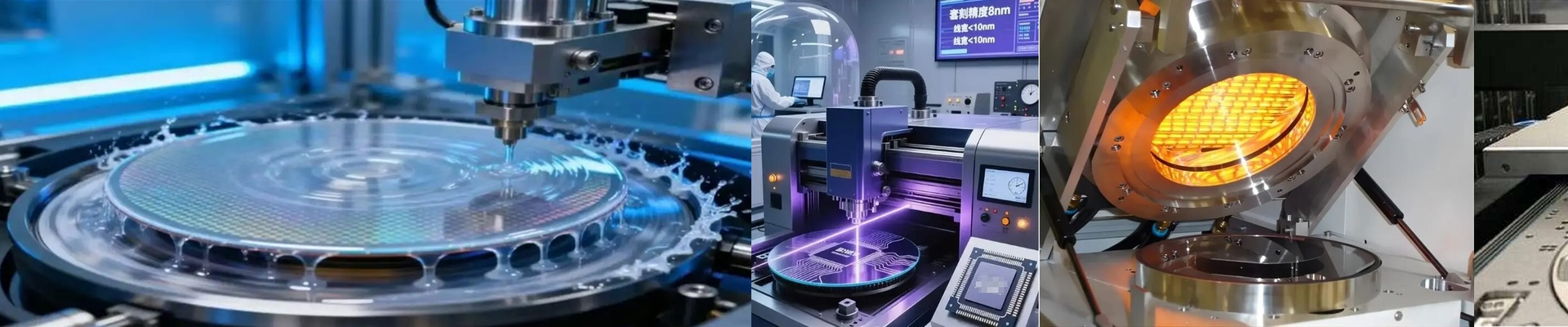
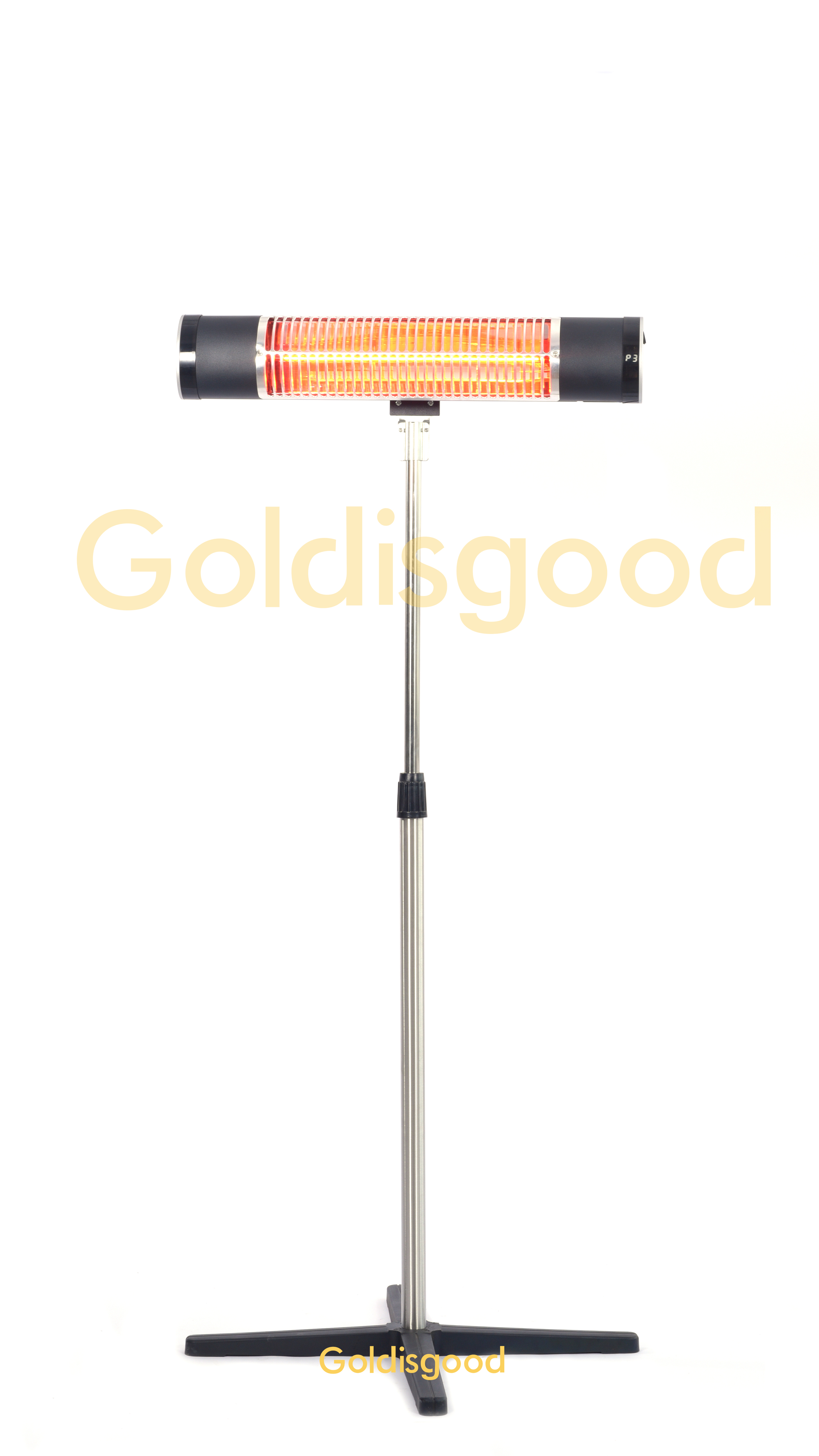
Ten years back, we were the shop behind the scenes, building heating systems for other brands. Every quartz tube, every carbon fiber element, left our bench with someone else’s label on it. That decade of heads-down refinement drove home a simple point: in radiant heat, performance isn’t a perk—it’s the baseline. Today, that same factory discipline runs our own line, and the gym electric heater at the core shows it.
What matters under the hood
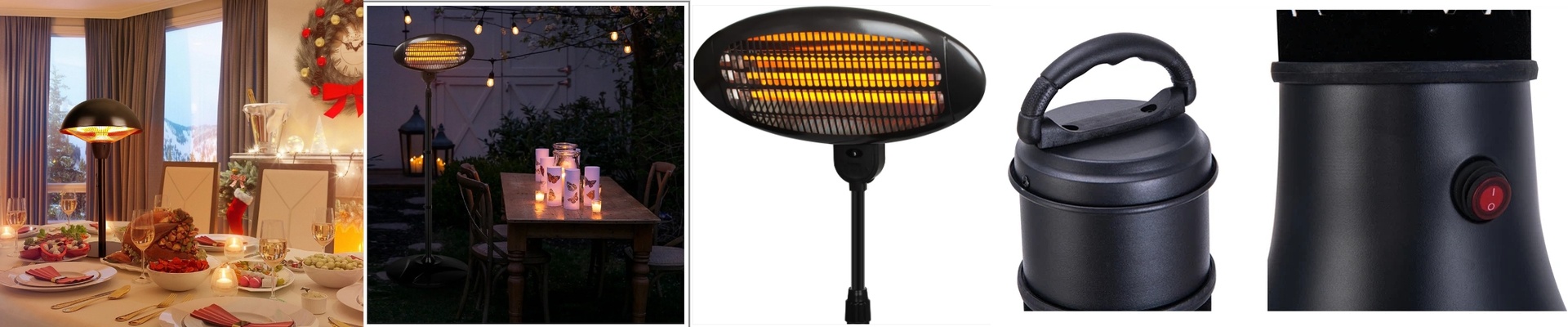
We went with a carbon fiber infrared element on this gym electric heater because it throws directional warmth right away, without waiting to warm the whole room. You get a focused heat profile that hits people and surfaces directly, not the air. Rated at 1500W on a standard 120V outlet, it delivers steady radiant heat that reaches users within seconds of flipping the switch. The element sits inside a tough quartz sleeve, so it’s protected against impact and runs quiet—no fan, no rattle. A built-in thermostat holds the temperature steady, and tip-over protection shuts the unit down if it gets knocked over.
Why it makes sense in a gym
A gym isn’t just a place where warmth feels nice. It has to keep muscles ready, protect movement quality, and keep the chill from creeping in between sets. With this heater, you’re getting infrared warmth that targets the body, which helps support circulation and keeps the space comfortable enough to train steadily. Because it’s radiant, you feel the heat almost instantly, and it stays consistent—no waiting, no drafts. Whether it’s a studio or a home gym, that translates to fewer interruptions and more time training instead of shivering.
The details that matter
Placement is key with radiant heat. For the best coverage, mount the heater 6–8 feet high and angle it so the warmth spreads across the training area without shining straight into someone’s eyes. It plugs into a standard outlet, but for steady, long sessions, we recommend a dedicated circuit so you don’t trip breakers. Here’s the trade-off: infrared heat warms objects and people very well, but it doesn’t heat the air the way forced-air units do. In a very open space, you may want to pair it with a secondary heating solution.