
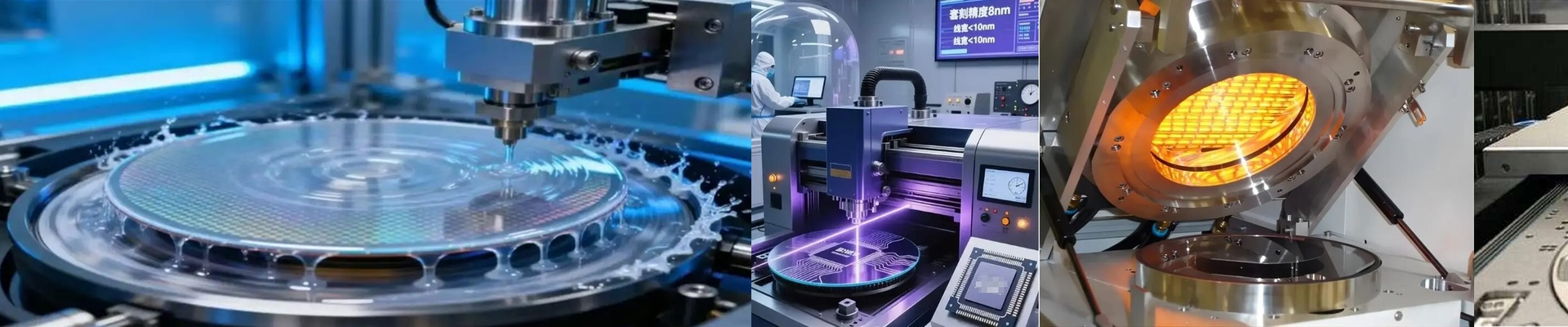
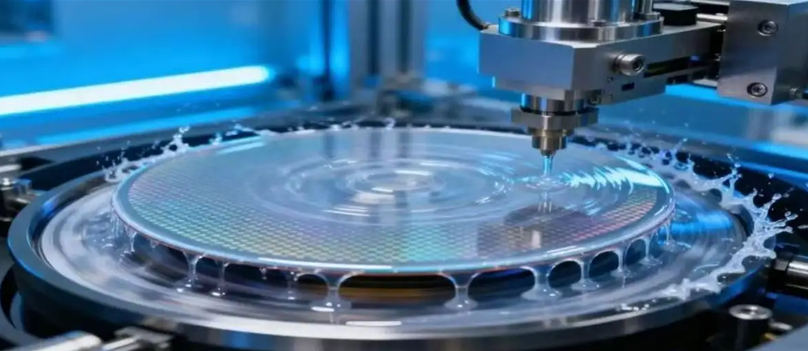
On the lithography floor, polyimide curing isn’t just another heating step. It’s the thermal budget that sets the tone for device reliability. A 1°C drift across the wafer can shift stress, crack interconnects, and wipe out a week of work. You need a platform that treats temperature as part of the process, not an afterthought. What matters under the hood We built the system around ±0.1°C steady-state uniformity, verified across the full wafer with mapped sensors—not guessed from chamber averages. The heater uses a quartz-based radiant design, tuned for fast, repeatable ramp profiles. That keeps the polyimide on the intended cure curve, with no thermal lag or overshoot. Cleanroom compatibility is engineered in from the start: Class 1–100 compliant materials, sealed joints, and low-outgassing components keep particle counts in check. Zero particle generation isn’t a slogan—we measure it under standard wafer-handling motion with in-line monitoring. The payoff is repeatable bake and cure cycles, shift after shift. Why this works in a real fab Polyimide curing sits right at the crossover of throughput and yield. Tight temperature control cuts scrap and rework, shortens qualification cycles, and keeps critical dimensions stable in the layers that follow. The system runs 24/7 with planned maintenance windows, not surprise stops. Fast settling and low standby losses keep energy use in line, so operating cost comes down without sacrificing precision. What you need to plan for This platform needs a dedicated, clean power feed and controlled ambient airflow to hold that ±0.1°C spec when ambient conditions swing. Integration is straightforward into standard tracks, but plan the footprint and exhaust routing up front. Run a short commissioning pass to lock in your exact polyimide profiles. Once they’re set, the process stays in control.