
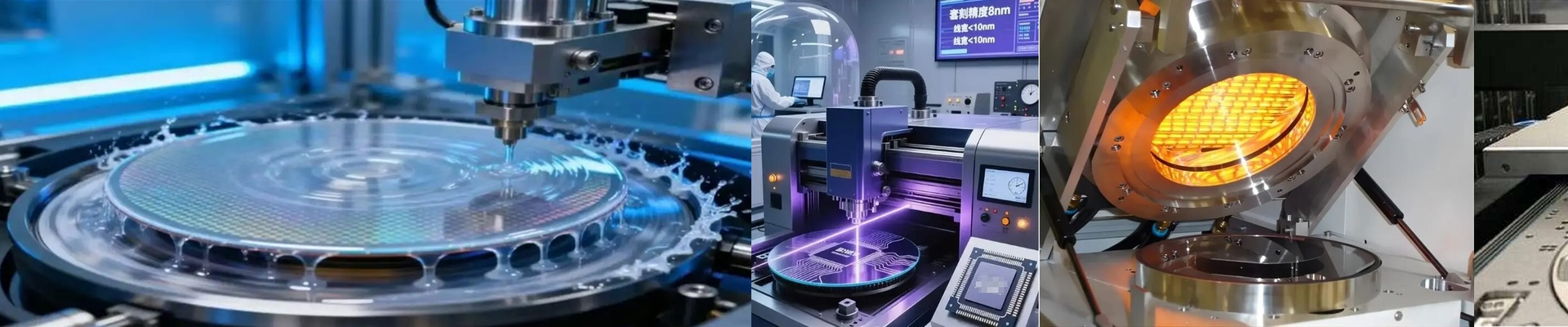



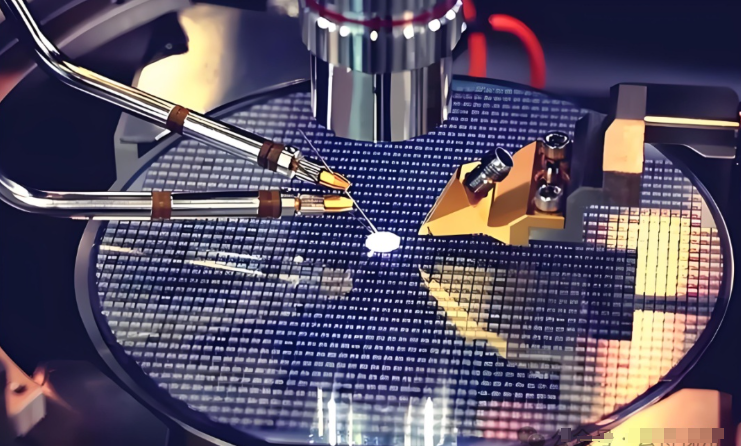
On the lithography floor, you know the drill. A half-degree drift in bake temperature and your critical dimension control is suddenly out of spec. Next thing you know, you’re scrapping wafers. We built this wafer surface tension measurement heater to stop that drift before it even starts. It’s for that exact moment when the photoresist chemistry, thermal budget, and surface energy have to line up inside one repeatable bake window. Here’s the core of it: the heater keeps wafer-level thermal uniformity at ±0.1°C across the bake surface. The setpoint stability holds steady, even when you’re running 24/7. It’s compact enough to fit in-line measurement stations. The cleanroom-compatible design runs Class 1–100, and the low-outgassing materials keep particle counts flat. Zero particle generation isn’t a marketing line—it’s engineered in, with a sealed thermal stack that prevents any shedding. And you can see the repeatability in the data log. Every bake is recorded to traceable tolerance, so the same temperature profile comes back, shift after shift. So what does that mean on the floor? Soft bake and hard bake become deterministic instead of a guessing game. You get tighter CD uniformity, fewer rework lots, and less scrap from resist reflow or incomplete curing. Energy use drops because the heater hits setpoint fast and holds it without overshoot. Unplanned downtime falls, too, when thermal stability stops forcing you to babysit the line. One installation note: the unit performs best when the chamber fixture is aligned within 0.1 mm and the coolant flow is matched to the duty cycle. Expect a short commissioning run to lock in the thermal profile for your resist stack. After that, the process just stays in control.