
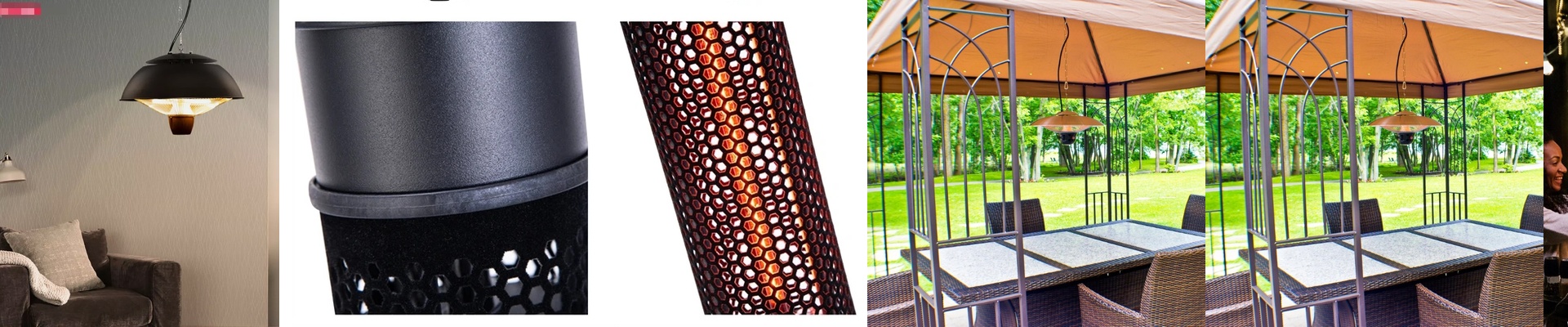
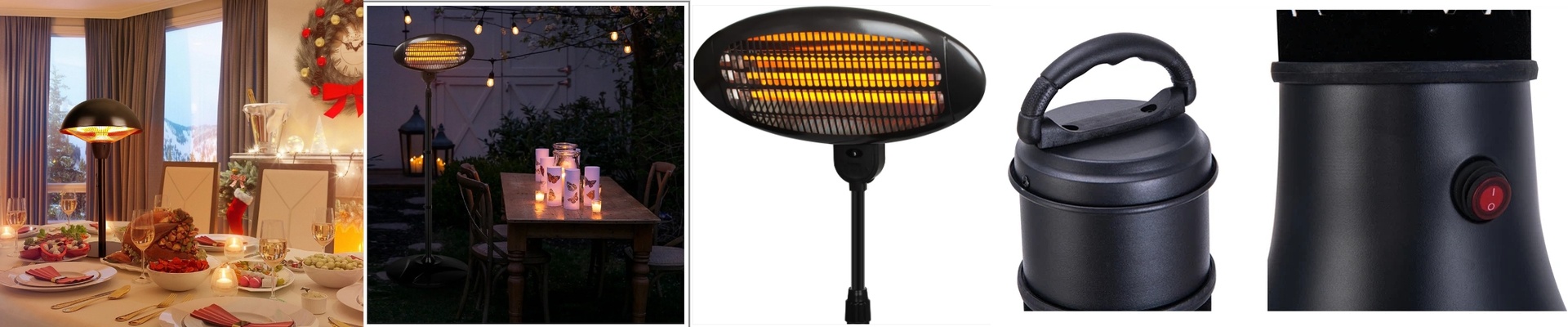
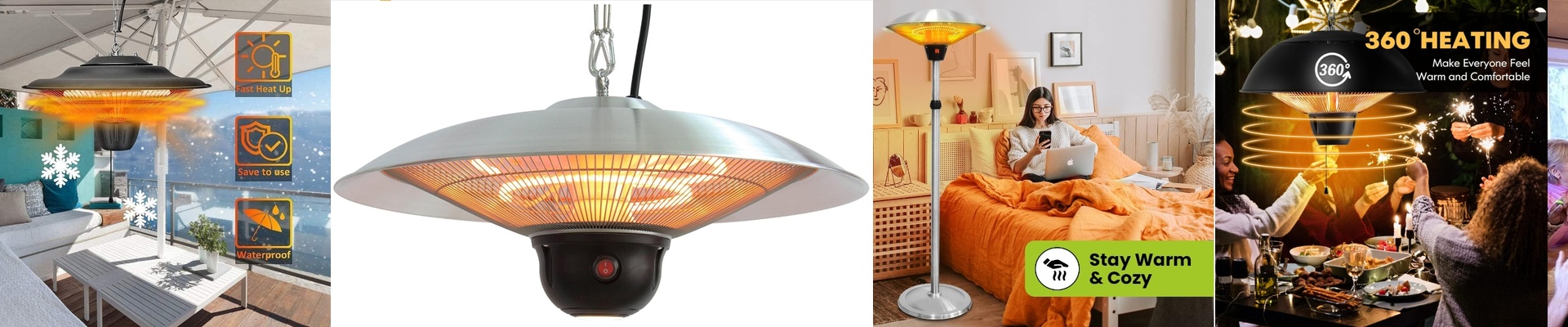
Winter makes a basic tent a whole different animal. Without the right heat, nights crawl by. You see your breath, and mornings start with stiff fingers and a damp chill that sinks in and stays. A winter tent heater has to do more than bump the temperature. It needs to bring comfort back fast—without dumping moisture, smoke, or noise into the space.
What actually matters under the hood
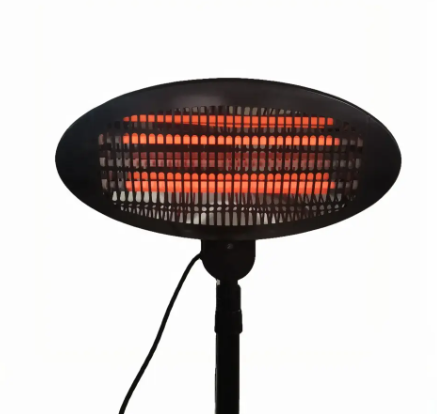
Infrared warmth goes straight after the real issue: cold surfaces and cold air. A quartz tube or a carbon fiber element throws off radiant heat that travels in a straight line, warming people and gear directly, the way the sun does. You feel that as a quicker warm-up than convection heaters, because the air isn’t doing all the heavy lifting. Many tent heaters run on 120V or 240V, pulling 800W to 1500W, and they use built-in thermostats to hold steady comfort instead of hunting and pecking. On the safety side, look for tip-over protection, overheat protection, and a housing built for use in enclosed areas.
Why this approach fits a winter tent
Inside a winter tent, you want heat that shows up when you need it and stays even. Infrared keeps the space from feeling drafty, and it doesn’t dry the air the way some forced-air units do. The difference is immediate: hands relax, shoulders drop, and sleep feels less fragile. For families and outdoor living, that translates to fewer interruptions, calmer evenings, and a tent that feels welcoming instead of just endured.
The details that make or break it
Infrared tent heaters work best when you aim the radiant output toward the living area, not straight into walls. Clearance matters—keep the heater off tent fabric and sleeping gear, and follow the manual’s spacing rules to the letter. Because radiant heat is line-of-sight, you can feel warm on one side while the other side stays cooler. Positioning helps, and a small circulating fan can smooth things out. Also, match the power draw to what your generator or outlet can actually deliver, or you’ll be chasing tripped breakers.