

Stop Letting Your Curing Heat Leak Everywhere
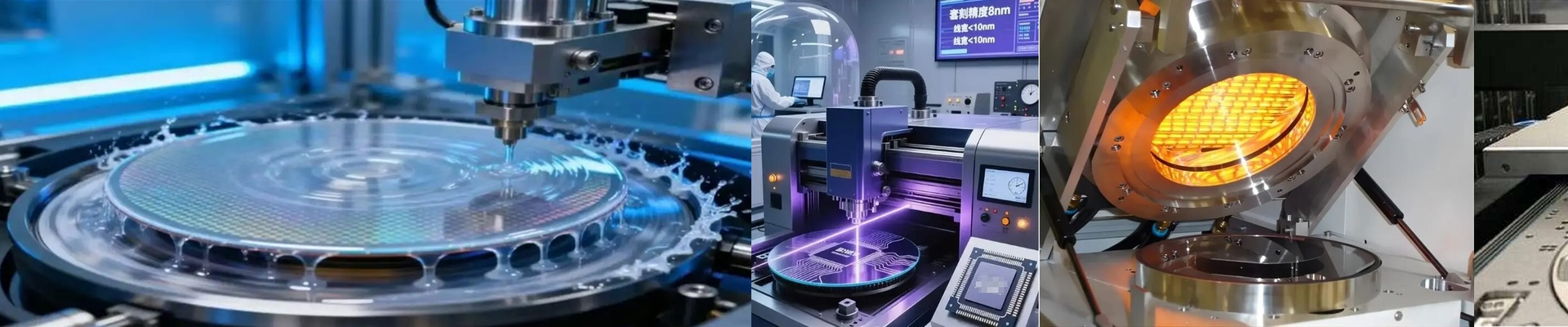
Here is the problem with IR lamps: they blast heat in every single direction. In a semiconductor curing chamber, any energy that doesn’t hit the wafer is basically a waste. But it’s worse than just wasting power. That stray heat hammers the inner walls of your gear. If your machine casing is getting hot enough to actually burn someone, you don’t have a heating problem—you have a direction problem.
Getting the Heat Where It Actually Belongs
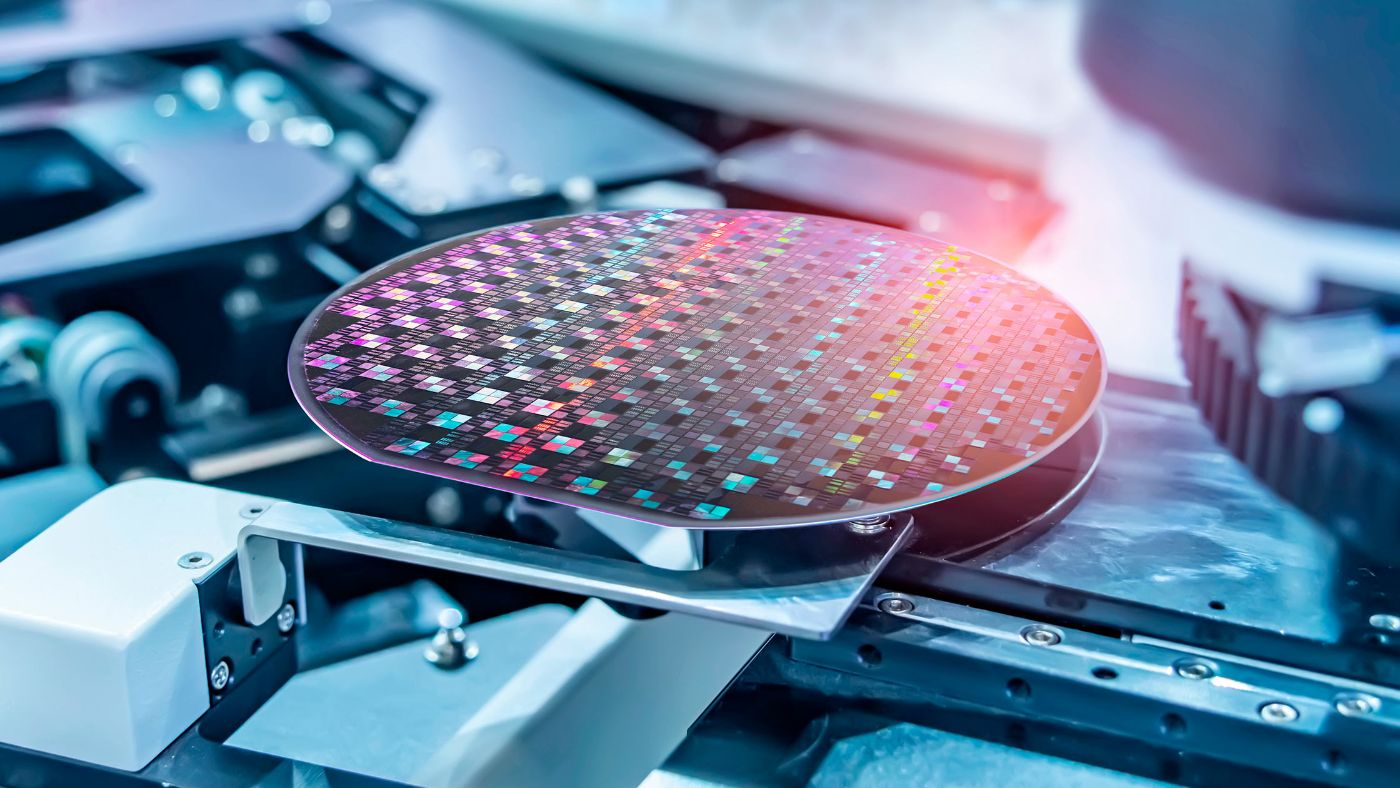
We fix this with precision reflectors. Think of it less like “bouncing” light and more like reshaping it. By tucking a parabolic shield—usually coated in gold or aluminum—behind the lamp, we force all that IR energy straight down onto the wafer. We’re essentially turning a glowing bulb into a focused beam. The result? A much tighter heat footprint. Your wafer hits the right temperature faster, and your equipment chassis actually stays cool to the touch.
Picking Your Materials (and Avoiding the Headaches)
The material you choose depends on your wavelength. Gold-coated reflectors are the gold standard for long-wave IR, though they’ll cost you more. For short-wave stuff, polished aluminum usually does the trick. But here is where it gets tricky. These reflectors have to survive intense heat without warping. If the shape shifts by even a couple of millimeters because of thermal expansion, your heat distribution is ruined. You’ll start seeing “hot spots” on the wafer, which is a fast track to uneven curing or just straight-up damaging the substrate.
Making It Work in the Real World
Getting your directional system dialed in also does a huge favor for your facility’s HVAC. Since you aren’t leaking heat all over the cleanroom, your cooling systems don’t have to fight an uphill battle. Just a heads-up: when you focus the heat, you’re increasing the intensity on the wafer. You have to find the sweet spot between the reflector’s curve and the lamp’s wattage. If you crank the power too high without adjusting the focal point, you risk scorching the edges of your wafer. It’s all about that balance.