


Getting Your Wafer Heat Exactly Right
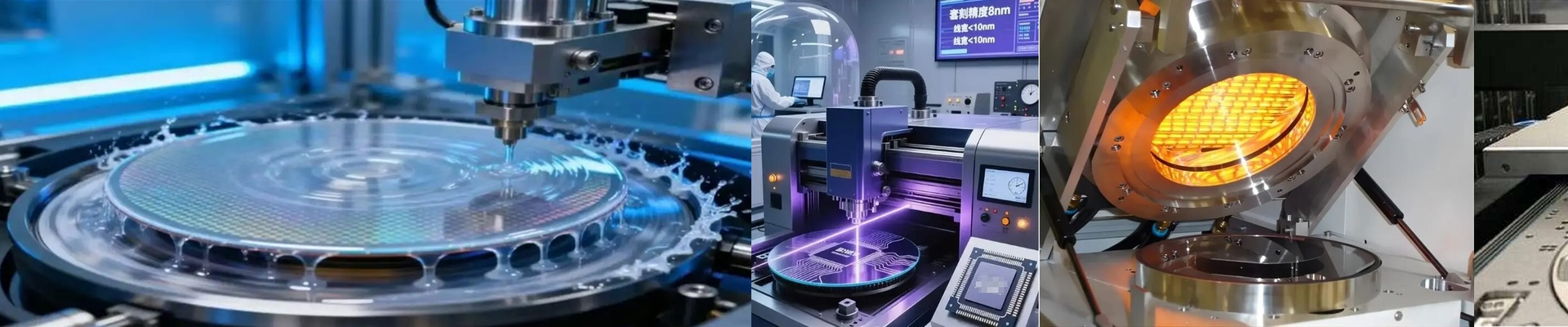
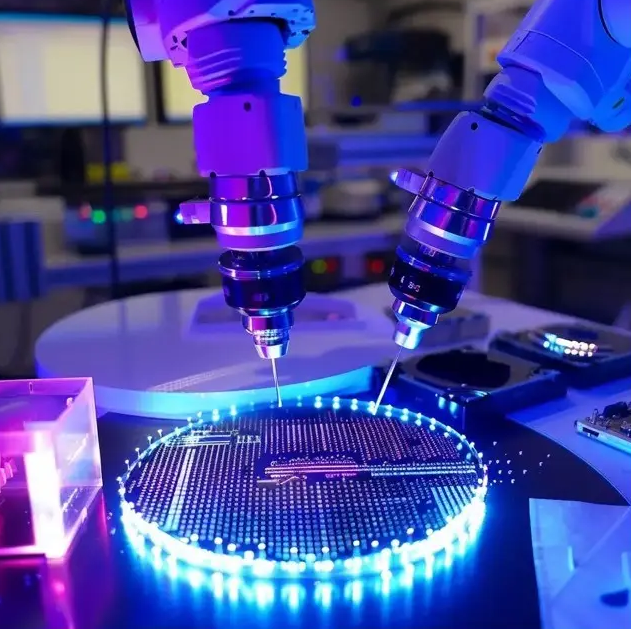
When you’re working with infrared lamps on a clean room bench, you’ve got a tricky balance to strike. You need a precise hit of heat on that wafer, but you can’t afford to waste energy or mess up your environment. That’s why we lean on gold-coated reflectors. It’s the best way to make sure the electricity you’re paying for actually ends up as heat on the target, not just warming up the room. Why go with gold? Most people start with aluminum, but here’s the problem: aluminum absorbs way too much infrared energy. It just eats the heat. We use high-purity gold because it’s incredible at bouncing near-infrared photons right back toward the wafer. Instead of the heat soaking into the lamp housing, it stays focused. You hit your target temperature faster. You use less power to keep it there. It just works better. Dealing with the heat load Wattage is only half the battle. The shape of the reflector is where the real magic happens. We use parabolic or elliptical curves to concentrate that energy into a tight beam, which is great for keeping the gear compact enough to fit on a bench-top setup. But there’s a catch. When you cram that much energy into a small space, the ends of the lamp get incredibly hot. Check your wiring. Seriously. Make sure your connectors can handle the current, or you’re looking at a burnout at the terminals. The trade-off Gold is the best for a reason, but it’s a bit high-maintenance. These surfaces are sensitive. If your clean room protocols slip and some oil or dust lands on that gold layer, your reflectivity tanks. And you can’t just grab a harsh solvent and scrub it—you’ll strip the coating right off. We build these lamps to squeeze every bit of thermal energy out of every watt. It takes the pressure off your power supply and keeps the bench from feeling like an oven, as long as your cooling fans are up to the task.