
Stop Burning Your Hands: A Better Way to Heat Semi Equipment
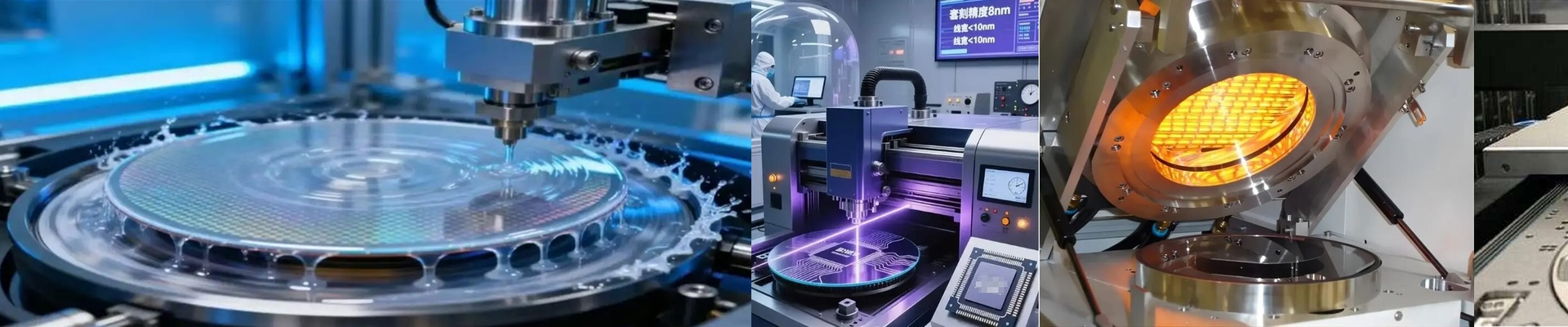
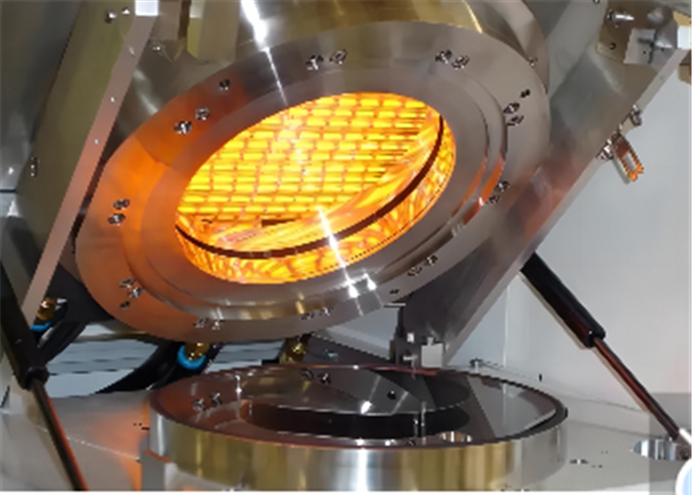
If you’ve spent any time in a semiconductor fab, you know the struggle. You’ve got equipment that needs to be hot on the inside, but the outer walls? Those need to stay cool. The problem is that most standard resistive heaters are a bit too “generous” with their heat. They blast energy in every direction, turning the inside of your cabinet into a giant heat sink. Before you know it, you’ve got “hot walls” that can seriously burn an operator or fry a nearby sensor. It’s a safety nightmare. Here is how we fix it. Instead of heating everything in sight, we use directional infrared (IR) heating. Think of it like switching from a lightbulb that fills a whole room to a focused flashlight. We use short-wave emitters that send the heat straight to the wafer or substrate. By tightening the emission angle, the energy goes exactly where it’s supposed to. The cabinet walls stay cool because they aren’t being blasted by waste heat. But, it isn’t just “plug and play.” You have to be careful with the setup. The lamp’s focal point has to hit your process zone perfectly. If it’s even a little off-center, you’ll end up with hot spots and cold spots across your wafer, which is the last thing you want. We usually go with quartz-envelope lamps. They can handle the heat without releasing any gunk (degassing), which keeps the clean room happy. Just a heads-up: these high-wattage lamps hit hard. Make sure your power supplies can handle that initial surge when you flip the switch, or you’ll be spending your afternoon resetting breakers. The payoff is worth it. First off, your techs can actually touch the machine without worrying about burns. That’s a huge win for morale and safety. Plus, your HVAC system gets a break. Since you aren’t dumping massive amounts of waste heat into the room, the AC doesn’t have to work overtime. You get a faster ramp-up, a cooler workspace, and a way more efficient setup. It’s a simple swap that just makes sense.