
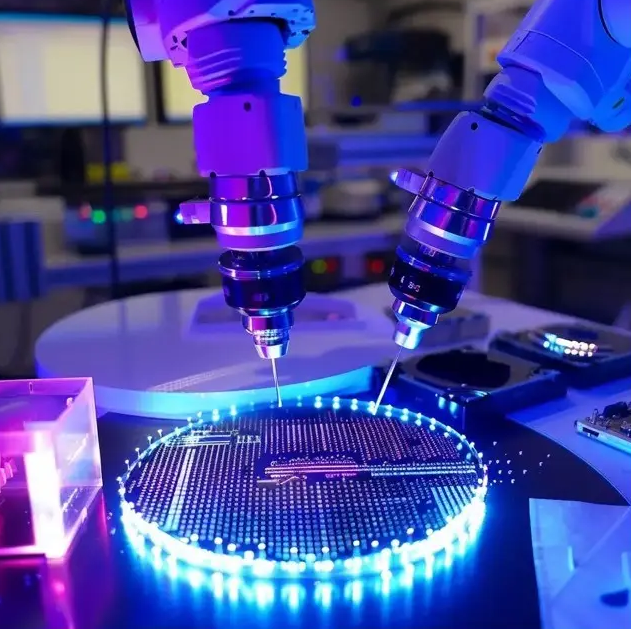
Why Infrared Curing Just Makes More Sense for Modern Chips
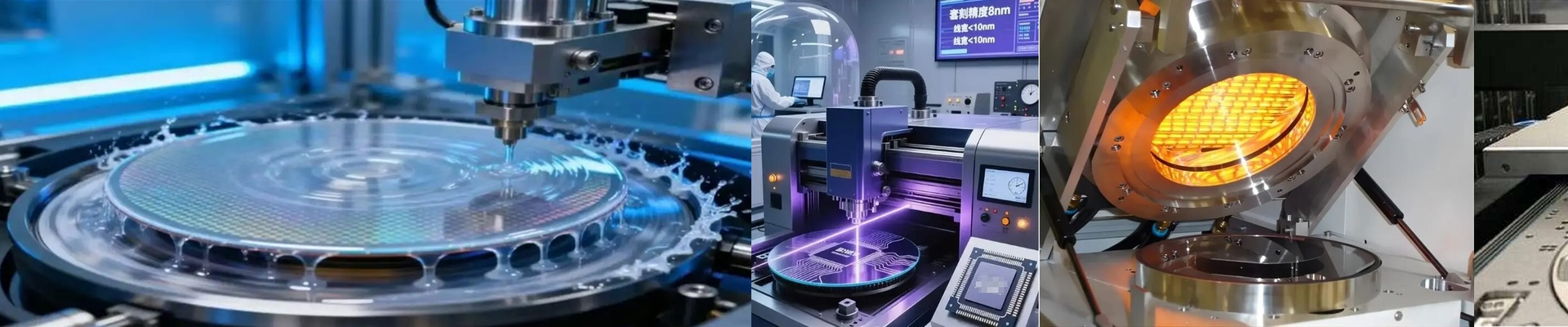
The chip industry is under a lot of pressure to go lead-free and carbon-neutral. Most shops are still using old-school convection ovens, but here’s the problem: those things spend a ton of energy just heating up a giant box of air. It’s slow, it’s wasteful, and it holds up your entire line. That’s why we’ve moved to certified infrared (IR) curing lamps. Instead of waiting for the air to get hot, IR sends energy straight to the substrate. No middleman. No wasted heat. The real win is the speed. Think about how long it takes to pre-heat a massive oven. It’s a drag. IR lamps hit their operating temperature in seconds. Because they target the specific resins and adhesives in your process, you aren’t wasting kilowatts heating the walls of a chamber. You get a smaller footprint on your floor and a much lower power bill per wafer. Dealing with “Green” Specs If you’re working with lead-free solder or adhesives, you know they’re finicky. If the heat isn’t exactly right, you deal with oxidation or warped components. It’s a headache. We tune our lamps to specific wavelengths—short-wave or medium-wave—so you can control exactly how deep the heat goes. You don’t have to worry about that “over-bake” you get with convection. Plus, it’s a clean process. No combustion gases, no VOCs, just clean heat. A few things to watch out for Now, it’s not magic. High-intensity IR lamps put out a lot of heat in a very small space. If you crank up the wattage to shave seconds off your cycle, you’ve got to make sure your cooling fans and heat sinks can keep up. If the airflow is bad, you’ll burn out your filaments or warp your brackets. It’s a quick way to cause downtime. You also have to be careful with the “shock” factor. Pushing too much power too fast can crack sensitive substrates. The trick is to use a staged power-up sequence. Ease into it. Keep the thermal gradient stable, and your wafers will come out perfect every time.