
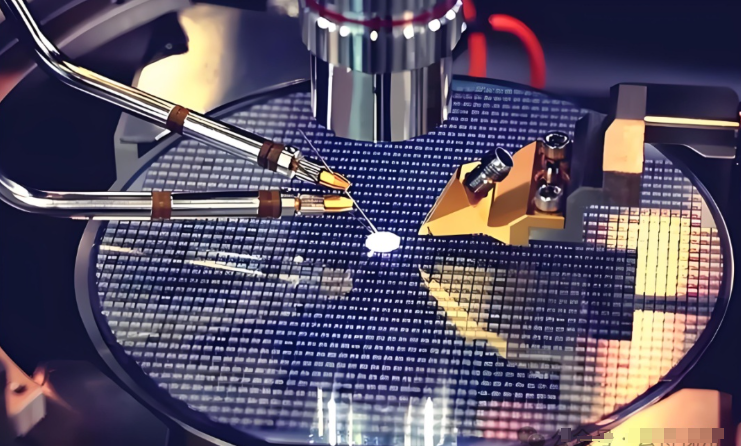
Why Gold-Reflector IR is the Secret to Better Semiconductor Curing
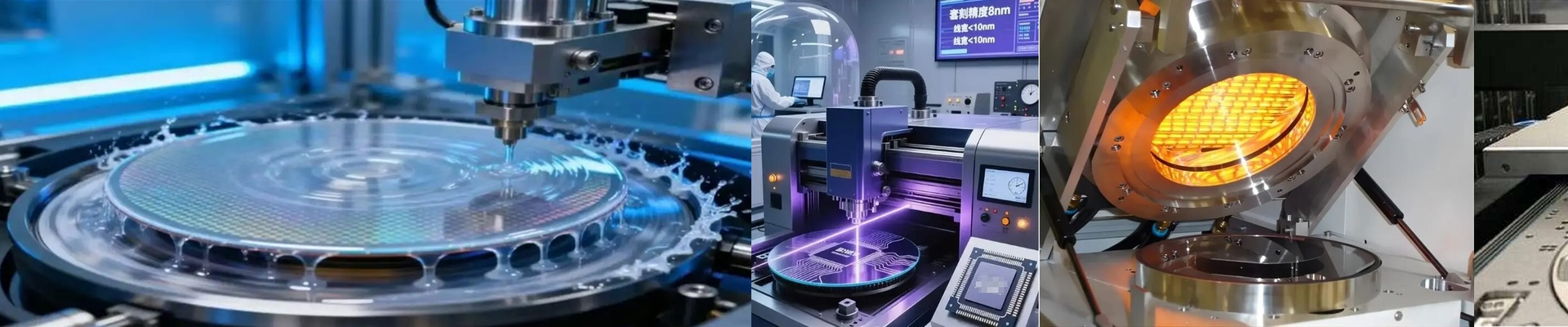
The old way of doing things—solvent-based drying and those massive convection ovens—just isn’t cutting it anymore. Everyone is pushing for “green” and lead-free setups, but the real struggle is doing that without slowing down the whole assembly line. That’s where infrared (IR) curing comes in. But here’s the catch: a basic heating element won’t do the trick. You need a gold-reflector IR bulb. The magic of gold Most people start with aluminum reflectors, but the problem is they soak up too much energy. It’s wasteful. Gold is different. It bounces about 98% of that infrared heat straight back onto the wafer. It creates this intense, concentrated heat zone right where you need it. The best part? You aren’t heating up the entire machine chassis or wasting power on the air around the part. It keeps your footprint small and your electricity bill lower. Cleaning up the process Traditional drying usually means dealing with forced air and those nasty volatile organic compounds (VOCs). It’s messy and outdated. IR curing is a direct energy transfer. No combustion by-products, no solvents acting as messengers for the heat. You’re just hitting the material directly. It’s a much cleaner way to work, and it’s why so many shops are making the switch to save energy. The tricky parts Now, it’s not all plug-and-play. These bulbs put out a massive amount of heat density. Timing is everything. If your conveyor belt drifts even a little or your controller lags, you’re going to scorch your substrate. It happens fast. You also have to make sure your cooling fans are up to the task; if the housing gets too hot, that gold layer can actually start to peel. We’ve designed these bulbs to be simple drop-in replacements for those clunky old convection systems. You swap the heat source, hook it up to a precise controller, and suddenly your curing cycle drops from several minutes down to a few seconds. It’s a night-and-day difference in how the floor feels.