


Keeping Your MEMS Wafers Spotless During Drying
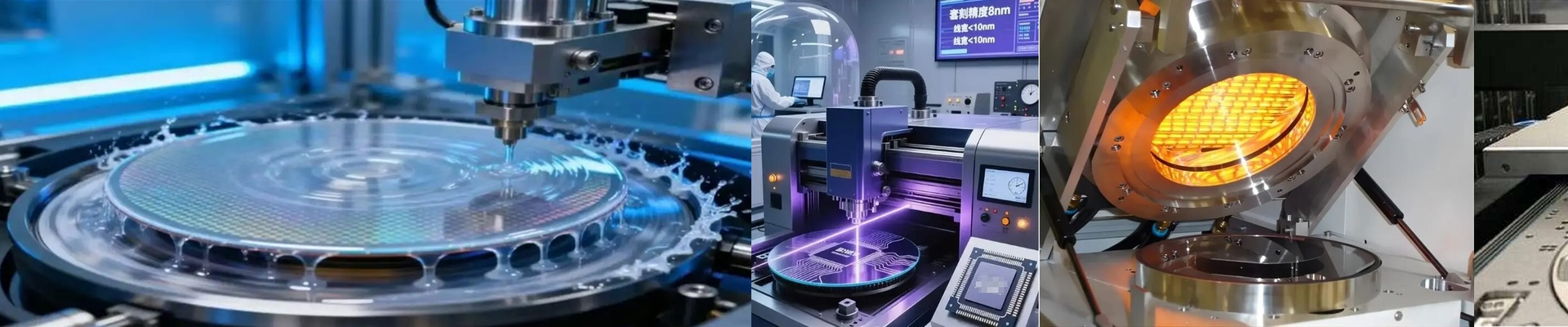
If you’re working in a Class 100 cleanroom, you know the nightmare: one tiny flake of debris from a heater, and your entire batch of wafers is trash. It’s frustrating. That’s why we stick with high-purity synthetic quartz IR lamps. Most heating elements either off-gas or start flaking over time. These quartz tubes don’t do that. They hit the wafers with the kind of rapid heat you need to flash-dry them, but they do it without leaving any metallic junk behind.
Why Quartz Actually Works
We go with short-wave infrared for a reason. It cuts through the moisture on the wafer surface way faster than long-wave heat. Because the quartz is so pure, you don’t have to worry about ions migrating onto your MEMS sensors. Plus, the quartz envelope acts as a tight seal, keeping the tungsten filament tucked away from the cleanroom air. We avoid cheap glass because it just can’t handle the stress—it would crack the second you started rapid cycling.
Packing a Punch in a Small Space
These lamps put out a lot of wattage per inch. The upside? You can make your heater footprint smaller while still getting enough heat to evaporate liquids instantly. They play nice with your existing PID controllers, too, so your temperature ramps stay exactly where you want them. One heads-up, though. Since the heat density is so high, the lamp surface gets hot—fast. If your housing isn’t built for high-temp airflow, you might warp your chassis or keep triggering those overheat sensors. Just something to keep an eye on during setup.
Real-World Drying
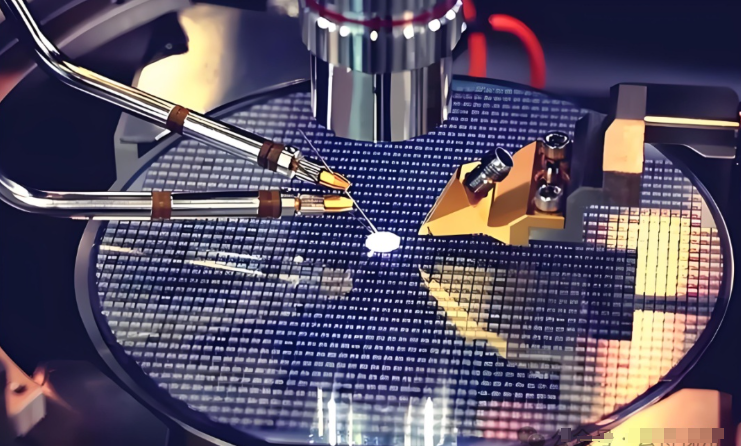
We built these to be drop-in replacements for automated wafer handling systems. They heat the entire diameter of the wafer evenly, which means no “cold spots” and no annoying water marks or residue. And here’s the best part: there’s no forced hot air blowing across the wafer. You don’t have to deal with the turbulence that usually kicks up particles from the edges. You just get a dry surface and a wafer that’s actually clean.