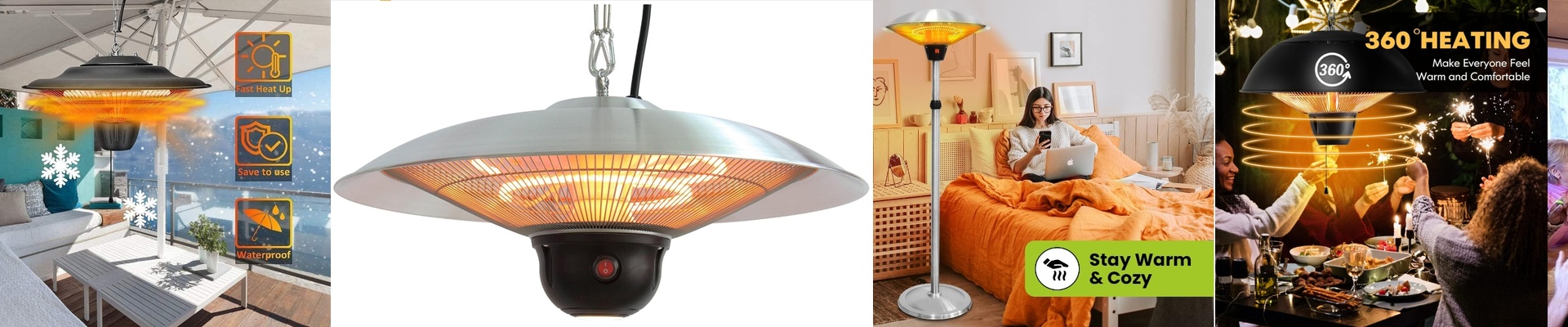

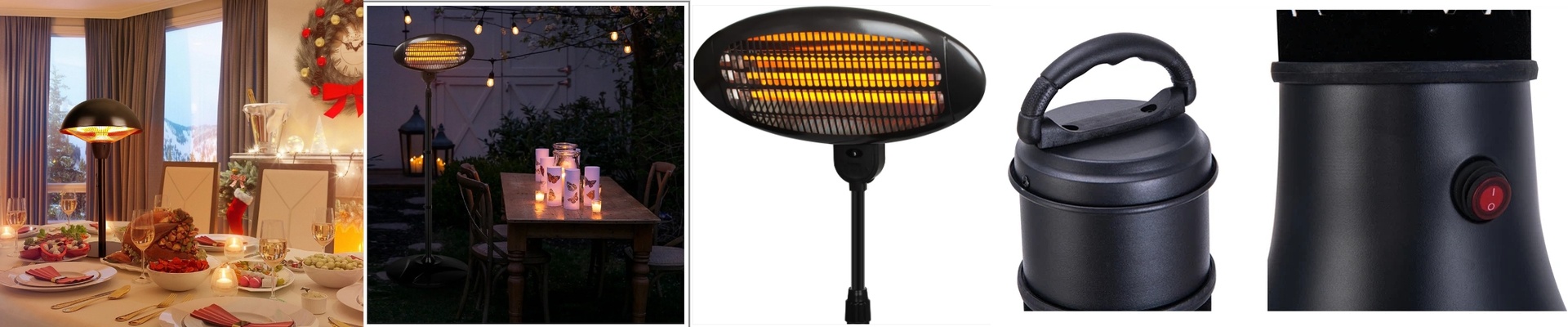

If you’ve ever run high-ceiling infrared heaters in a warehouse or a plant, you know the struggle. It’s a brutal environment. Dust, grime, and moisture just love to settle right on the heating elements. Once that gunk builds up, you get these nasty hotspots. Before you know it, your quartz tubes are burning out way sooner than they should. We got tired of seeing that happen, so we built our newest units to actually survive the mess. Dealing with the wet stuff Water and red-hot glass are a terrible mix. When a stray drop of water hits a tube sitting at 600°C, the glass doesn’t just cool down—it shocks. And when it shocks, it cracks. To stop that, we added splash-proof seals and angled the reflectors. Basically, if something drips, it gets pushed away from the electrical guts instead of soaking into them. Then there’s the fog. If your warehouse is humid, you’ll see a thin film of moisture form over the emitter. It scatters the heat, meaning less warmth actually reaches the floor. We added an anti-fog coating to stop those micro-droplets from sticking. You get a clean, direct beam of heat instead of wasting energy on a cloud of steam. Keeping the guts safe We didn’t stop at the glass. We bumped up the IP ratings to make sure dust and damp air can’t sneak into the wiring and cause a short. We also used corrosion-resistant housings because nobody wants a chassis that rusts through in a couple of years. One quick tip: because the seals are so tight, the internal electronics can get a bit warm. Just make sure your mounting bracket gives the unit some breathing room for air to flow. It keeps everything cool and happy. Real-world results At the end of the day, this is all about spending less time on a ladder. Instead of swapping out tubes every single season because of pitting or electrical failures, these units just take the beating and keep on humming. A fancy heating element is useless if the environment kills the circuitry. So, just wire them up, mount them high, and let the seals do the dirty work.