

Why we put our bathroom heaters through the “torture chamber”
Let’s be honest: bathrooms are a nightmare for electronics. You’ve got thick steam, random splashes of water, and temperatures that swing from freezing to boiling in a matter of minutes. Now, we build our lamps to IP55 standards. But here’s the thing—a spec sheet is just a piece of paper. It doesn’t tell you if a lamp is actually going to survive a year of heavy use without short-circuiting or just giving up on you. That’s why we put every batch through damp-heat aging tests.
The hidden battle with steam
An IP55 rating is great for keeping out dust and water jets. But in a real bathroom, the real enemy is vapor. Steam is sneaky. It gets into places that liquid water can’t. It slips through the tiniest gaps, settles on the electrical terminals, and clings to the quartz glass. If those seals aren’t perfect, you get rust on the contacts or, worse, a total electrical failure. We use special gaskets and coatings to stop this. But materials wear out. When a heater goes from cold to hot over and over, the housing expands and shrinks. Eventually, microscopic gaps open up.
How we actually test them
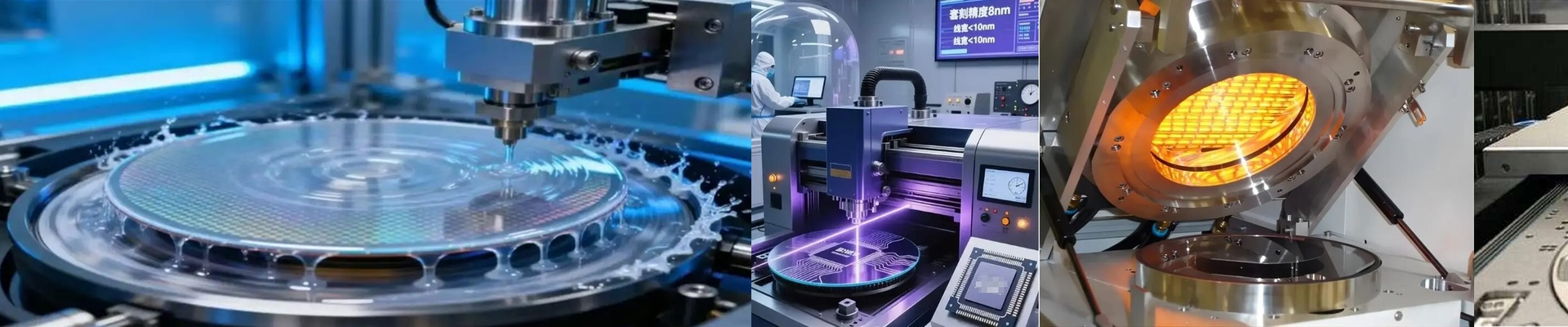
We don’t just spray the units with a hose and call it a day. Instead, we lock them in a climate chamber. We crank up the heat and the humidity and leave them there for long cycles. It’s basically a time machine that fast-forwards years of wear and tear into a few days. We’re hunting for three big problems: *The Seals: Do the gaskets shrink or crack when things get hot? *The Pins: Is moisture sneaking in and eating away at the metal contacts? *The Insulation: Does the electricity stay where it belongs, even when the whole unit is damp?
The balancing act
Here is the tricky part: if you seal a unit too tightly to make it waterproof, you trap the heat inside. If the internal temperature gets too high, the infrared filament burns out faster. It’s a constant tug-of-war between keeping the steam out and letting the electronics breathe. We spend a lot of time tweaking the vent design and seal placement to hit that sweet spot. Just a heads-up, though—if your bathroom has absolutely zero airflow, your lamps might not last as long. A little ventilation goes a long way.