


If seasonal allergies are part of your winter, you already know the trade-off: turn on the heat, and you get the dust, the dry air, the irritated eyes and scratchy throat. Forced-air systems kick all that into motion, and your home starts to feel less like a refuge and more like a compromise. The goal is warmth that doesn’t force you to choose between comfort and air quality.
What matters, under the hood
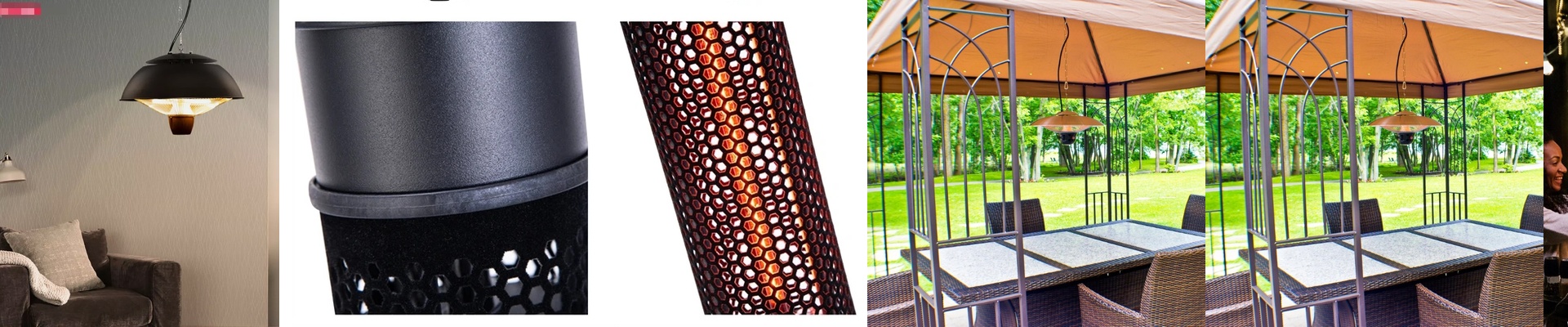
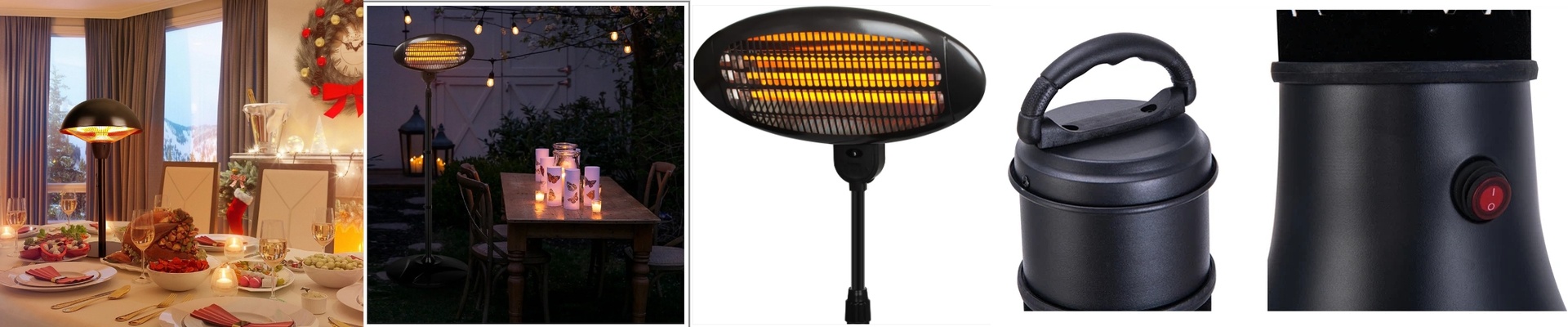
We build our infrared heaters around direct radiant heat. No blowing air—just a high-efficiency carbon fiber element or quartz tube that emits infrared warmth, traveling outward to heat people and surfaces directly. You get even, steady comfort without the drafts that stir up dust the way conventional heaters do. Inside, a built-in thermostat holds the temperature steady, and tip-over protection cuts power the instant the unit is knocked over. It’s a simple, dependable safety feature that matters when you’re using heat in busy living spaces.
Why this approach helps in allergy households
Indoor comfort for allergy-prone homes comes down to two basics: clean air and stable humidity. Because infrared heating doesn’t circulate air, it doesn’t kick settled dust and pollen back into the room. There’s no blower pushing particles around, and no ducts to hide irritants. The warmth feels gentle on the skin, and the air doesn’t get that harsh, drying effect you get from traditional heating. You end up with cozy heat that supports easier breathing—without the side effects.
The real-world way to use infrared
Infrared heaters are meant to warm the space you’re in, not the entire house. For the best results, put the unit in the room where you spend the most time, within line of sight, and keep it on a stable, level surface. These heaters plug into a standard outlet, so pay attention to circuit capacity and keep placement away from water sources. They’re quiet and clean, but remember: they don’t heat the air—they heat objects and people. Comfort hits fast, and coverage stays focused.