

A smart home stops feeling smart the moment the heating fights the controls. Traditional systems hold onto heat too long, so you get overshoot, wasted energy, and long waits for comfort. The fix? A low-inertia infrared electric radiant floor heater—built to respond instantly to a smart thermostat.
What matters, technically
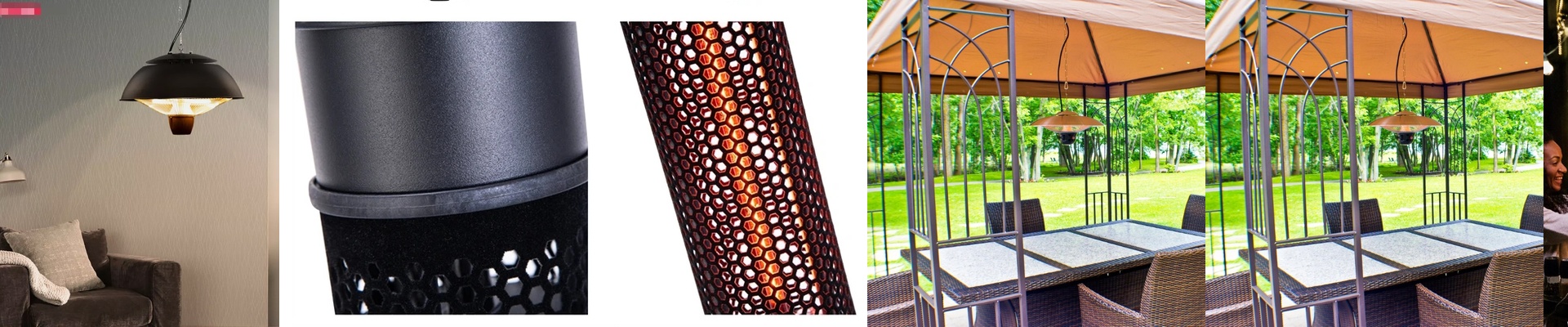
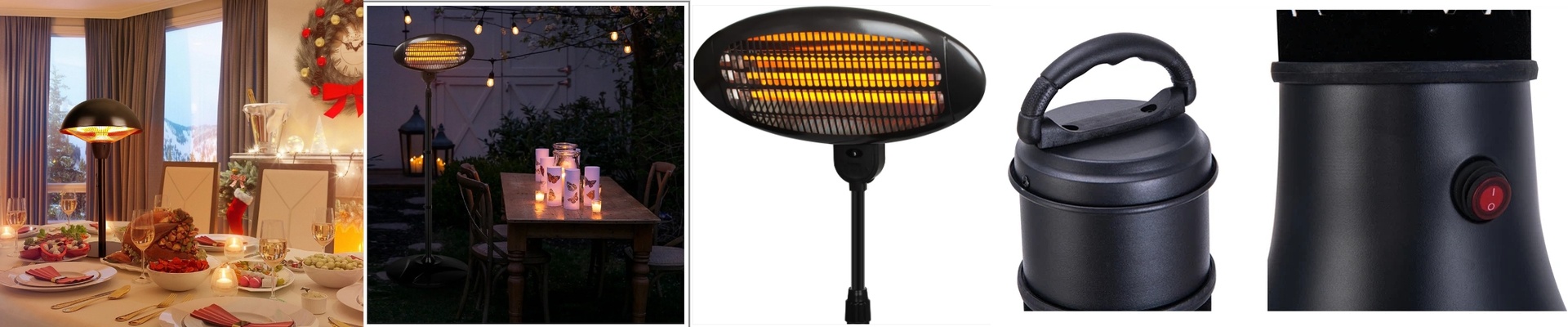
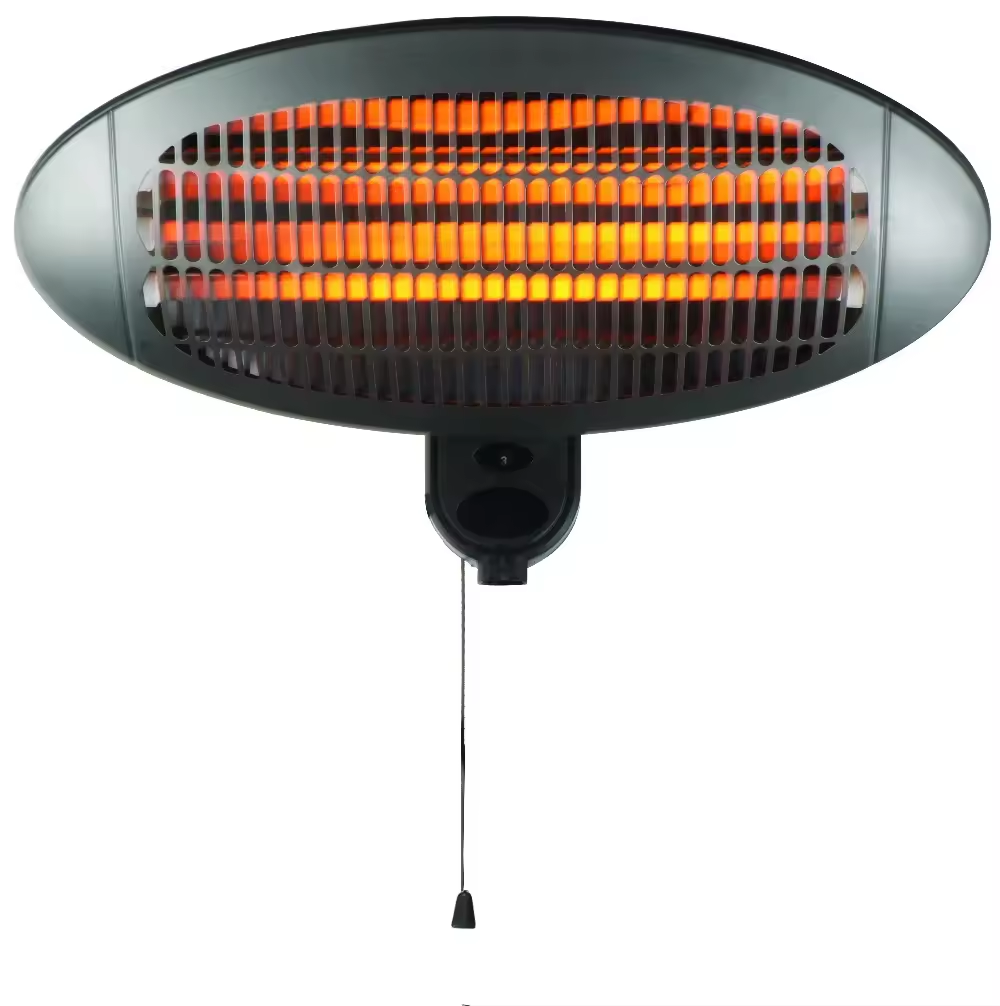
We run a carbon fiber infrared element that heats in seconds, not hours. It puts radiant warmth directly onto floors, furniture, and people, while the surrounding air stays cooler. Because the thermal mass is low, the unit starts and stops on a dime, so your smart controller can run tighter cycles. You get stable comfort without the energy swings you see with heavy boilers or thick cable systems. The payoff is measurable: shorter run times, fewer on/off surges, and less waste.
Why this works in a family home
Comfort and savings come down to responsiveness. Open a door and the temperature dips. With low inertia, the floor heater reacts immediately, restoring warmth where you actually feel it. When everyone settles in, it holds steady without overheating. That quick reaction makes smart scheduling practical—set comfort for the hours you’re home, and save during the hours you’re away. Over a season, those fast adjustments add up to real savings, and the gentle radiant heat keeps living areas comfortable.
What you need to get right
For best results, pair this low-inertia infrared floor heater with a smart thermostat that supports precise scheduling and occupancy detection. Installation is straightforward, but layout matters. Focus on high-traffic zones and cold entry points to maximize comfort per watt. Plan on a dedicated circuit and check your home’s load capacity. One note for open spaces: radiant warmth is directional, so furniture placement and drafts can affect how evenly you feel the heat. Match the unit size to the room, and you’ll get the quick response and smart savings this system is built around.