
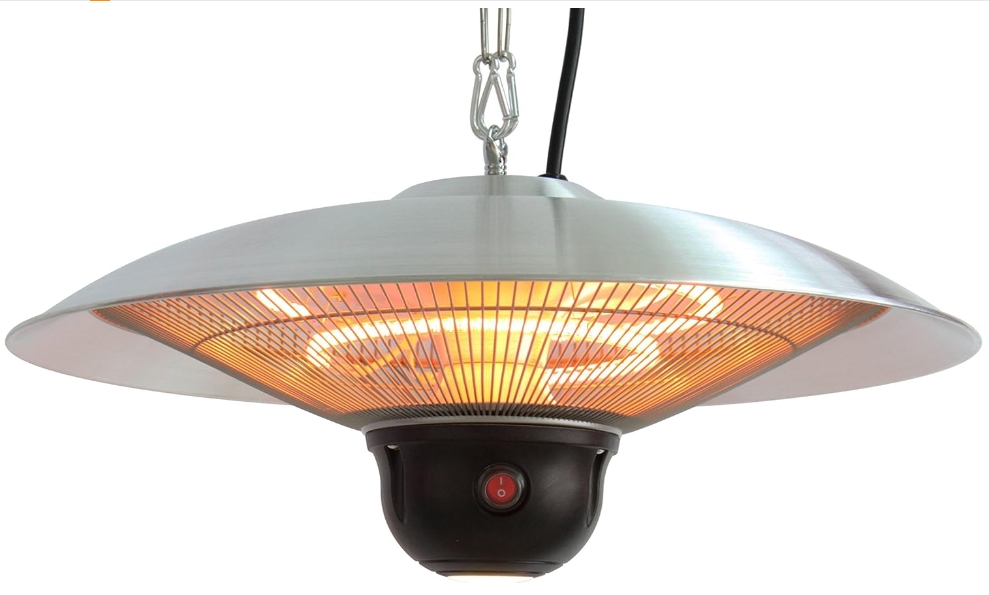
Building Infrared Heaters for Pergolas: The Truth About Staying 100% Safe in the Wet
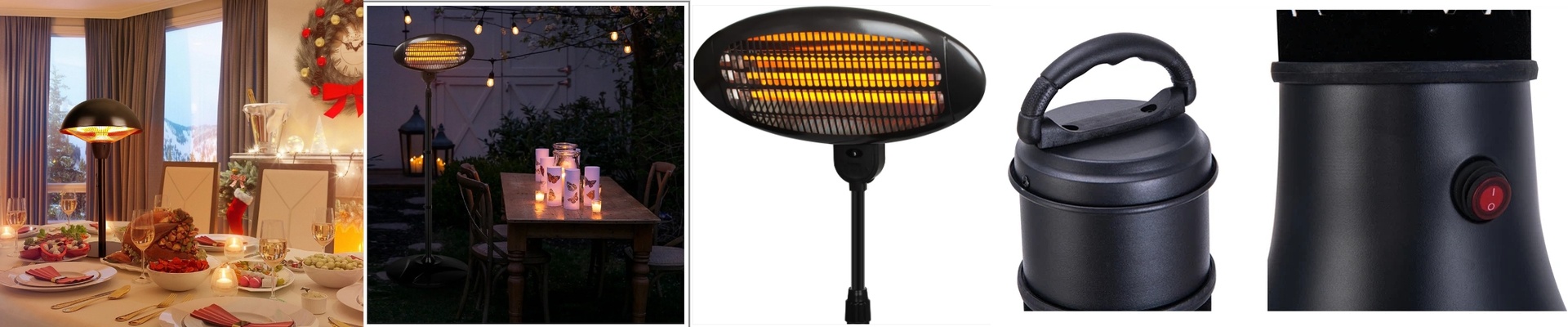
We design infrared heaters for outdoor pergolas and damp spots like bathrooms. The whole point is simple: give you strong, focused warmth without ever cutting corners on electrical safety. What you get is a unit that’s safe by design—not just “safe because it has a cover.”
Power, Voltage, and Size: Getting the Heat Where You Want It
Our waterproof heaters run on standard voltage, so installation stays straightforward. They deliver precise wattage, which means the heat comes on fast when you need it. The heating element is shaped to cover exactly the area you want. No wasted energy. Just the right pattern of warmth. But here’s the reality check: packing serious wattage into a compact body creates a lot of heat density. That’s why the fixture needs proper clearance during mounting. If you don’t plan for that, nearby materials can get too hot. So plan for it. It makes all the difference in how quietly and reliably the system runs.
Materials and Build: The Foundation of Real Electrical Reliability
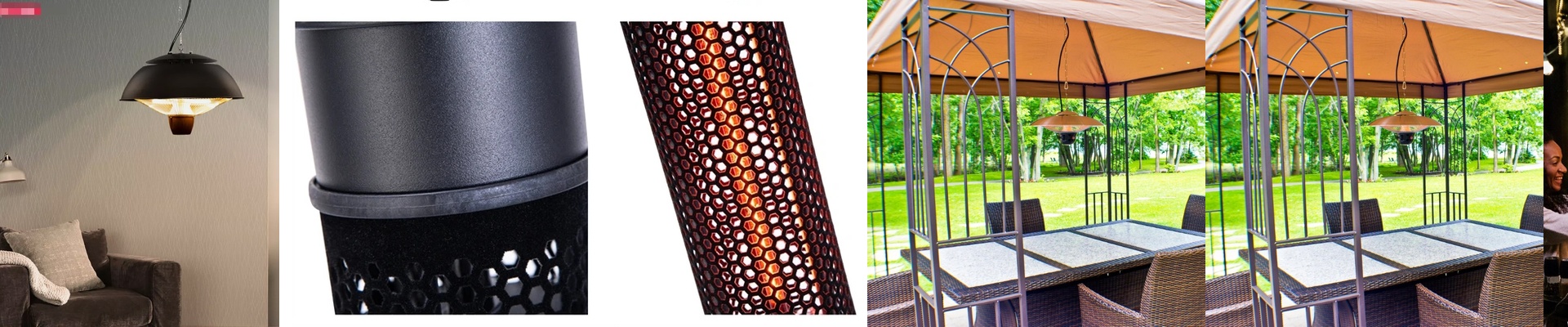
When you’re dealing with water, electrical isolation isn’t optional—it’s everything. We start with a heavy-duty quartz tube around the infrared element. Quartz has high dielectric strength, which just means it blocks electrical leakage even when it’s fully soaked. Then we pay attention to the places that usually fail first: the connections. We use industrial-grade connectors that keep a watertight seal. That stops moisture from creeping in at the terminals. The whole assembly is sealed to IP65—dust-tight and able to handle jets of water without letting any in. It’s not flashy, but it’s the kind of build that keeps you from worrying when it starts raining or the bathroom steams up.
Why This Works in Wet Spaces
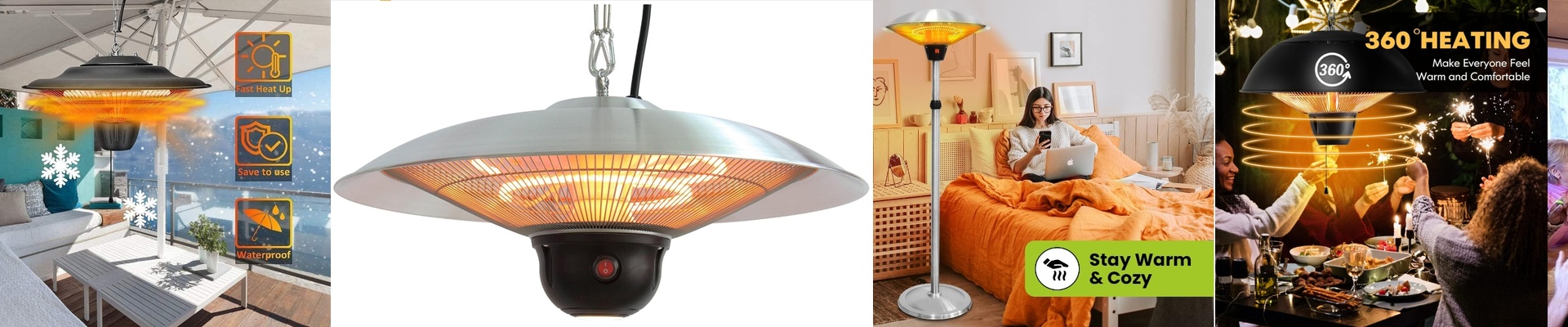
Pergolas and bathrooms have one thing in common: water is always around. Condensation. Direct splashes. Humidity that never quits. Our waterproof design keeps the heating element steady, no matter how damp it gets. And the way infrared works feels good in real life. It warms people and objects directly, instead of heating the air. So even open-sided pergolas or drafty bathrooms feel comfortably warm.
Installation and Peace of Mind
For engineers and installers, this means a clean, simple job. Wire it once, and the sealed system pretty much takes care of itself. It’s a straightforward drop-in upgrade from older, less robust setups. The real payoff is fewer callbacks—because the design focuses on preventing the electrical faults that usually cause service calls. Bottom line: if you need heat in a damp area, the system has to be built to take the punishment. That’s exactly what we built it to do.