

The Reality of Heating a Shed
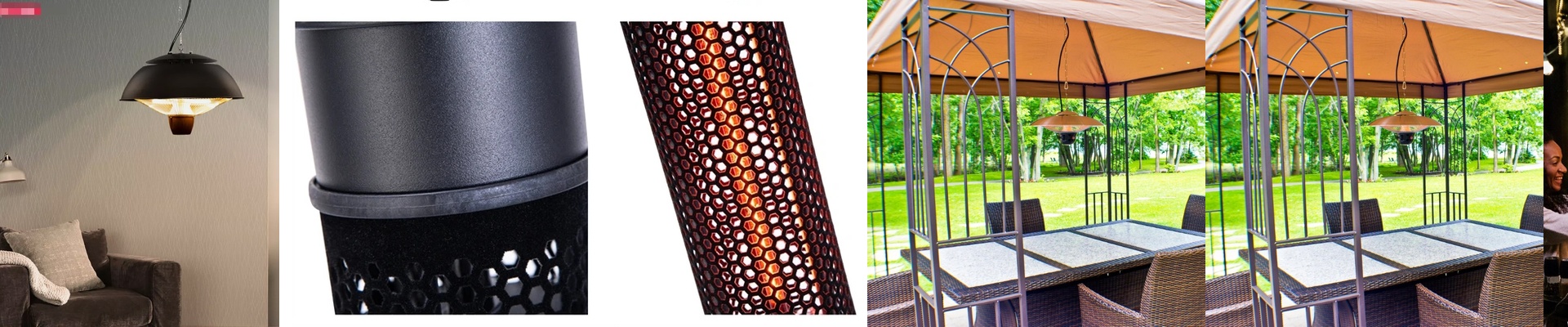
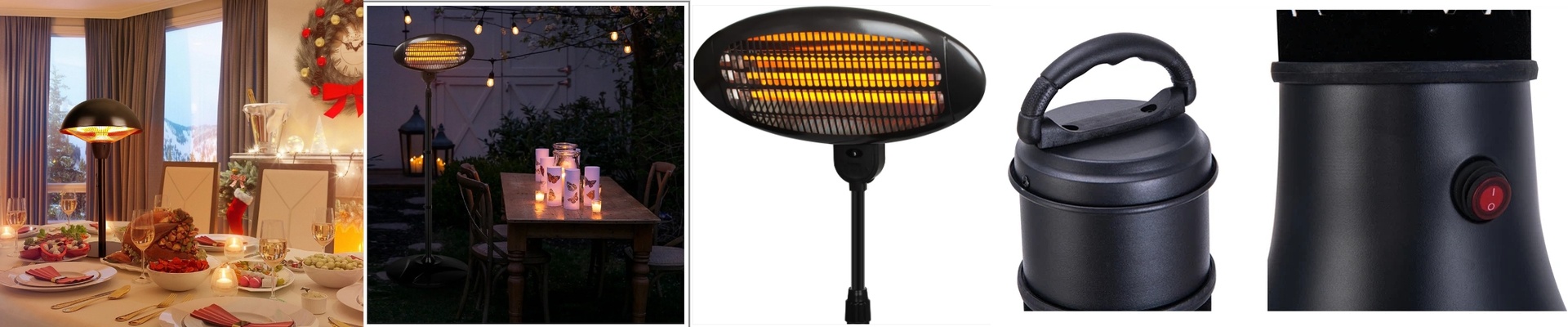
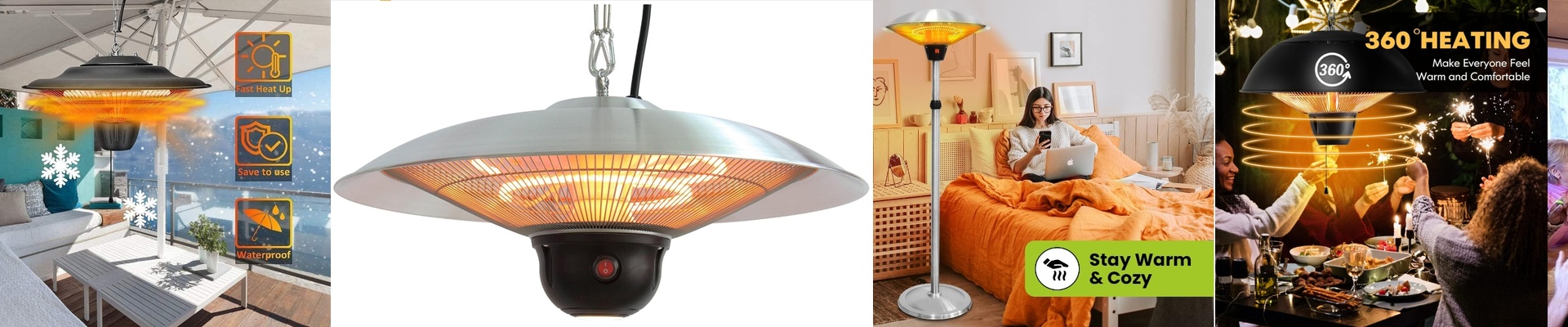
Let’s get real about heating a garden shed. We build wall-mounted infrared heaters specifically for that space, and we built them to handle the messy truth of the environment. It’s damp. It’s cold. It’s unpredictable. You don’t need a heater that fusses and fails. You need one that turns on and throws heat, right now. Our whole approach starts with that reality. We assume your shed is cold, wet, and unforgiving, and we design accordingly.
Power and Specs, Plain and Simple
At the heart of these heaters is a high-output infrared tube, usually 2500W. That wattage isn’t a random number. It’s about punching through the heat loss of a shed and warming a defined area fast. We size the tube length to give you enough radiant surface without eating up space on the mounting bracket. And we match the power to the voltage—230V or 400V—so the current draw stays steady and the wiring isn’t stressed. A 400V, 2500W tube delivers serious heat density. That’s powerful, and it means your machine’s cooling system needs to be set up to handle the temperature in the room.
Why We Age-Test in Humidity (It’s Not for Show)
Every unit goes through a tough aging test in humid, high-temperature conditions. This isn’t box-ticking. It’s about finding the weak spots before they find you. We’re looking at the quartz tube seals, the filament inside, and the connections. The infrared element uses a shortwave halogen design inside a quartz envelope, because it heats up fast and stays steady. We use the R7s connector because it handles high heat, makes swap-outs quick, and keeps the wiring tidy. And the reflector coating? It focuses the heat forward so you don’t waste energy.
What This Means When You’re Actually Using It
In a garden shed, the heater has to start when you need it and keep running, even when condensation forms and the temperature swings. The aging test proves the unit can take a beating before it ever leaves our hands. For you, that means performance you can count on. Fewer surprises. Less time spent on maintenance. The wall-mount design keeps your floor clear, and the R7s termination keeps installation straightforward. Now, there is a trade-off. You get fast, targeted warmth, but you do need to manage airflow and ventilation to avoid hot spots. Keep the air moving, and this thing does its job beautifully.