
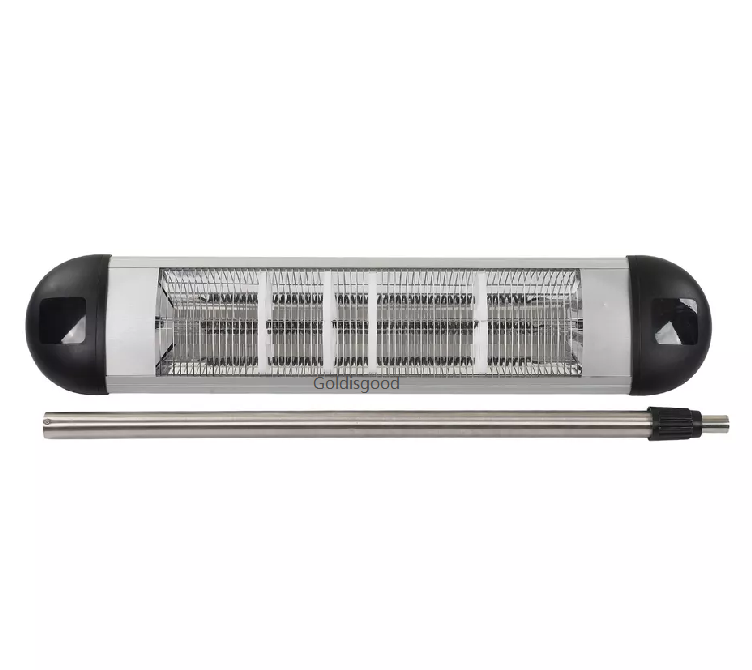
Why Your Bathroom Heater Needs to Be “Explosion-Proof”
Let’s be honest: putting a heater in a shower or bathroom is a bit of a gamble. You’ve got steam everywhere, water droplets landing on everything, and constant humidity. For a standard heating element, that’s a nightmare. One wrong splash and you’ve got a short circuit or, worse, the glass just shatters from the shock. That’s why we stick with IP65-rated quartz tubes. It’s all about stopping the disaster before it starts.
The deal with quartz glass
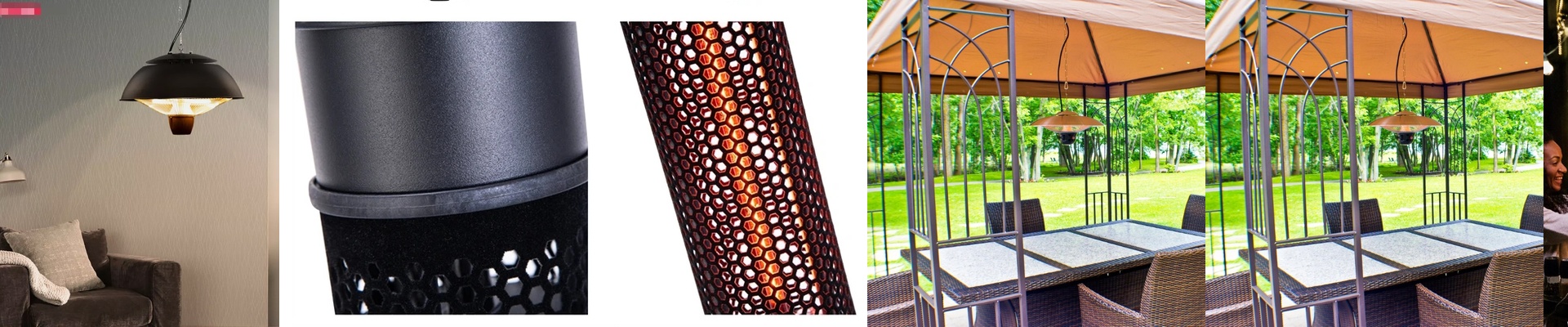
Normal glass just can’t handle the mood swings of a bathroom. One second it’s scorching hot, the next a cold drop of water hits it. Most glass will crack under that kind of pressure. We use high-purity quartz because it doesn’t really expand or shrink when the temperature jumps. It stays stable. When we call these “explosion-proof,” we just mean they won’t blow apart into a million pieces like the cheap stuff does. Then there’s the IP65 rating. Think of it as a tight seal. It keeps the dust out and, more importantly, keeps the water from creeping into the guts of the machine. If that seal leaks, moisture hits the wiring, and you’re looking at a tripped breaker or a fire. Not exactly the vibe you want for a relaxing shower.
Getting the heat right
These lamps use short-wave infrared. Instead of trying to heat up all the air in the room—which takes forever—the heat moves in a straight line. It hits you instantly. It’s that immediate warmth that makes the difference. We spend a lot of time figuring out the thickness of the quartz. If we make the walls thicker, the tube is tougher and can take a hit. But if it’s too thick, some of that infrared heat gets blocked. It’s a balancing act. We tweak the thickness based on whether the unit is going to be shaking or dealing with a lot of wind.
Real-world installation tips
Here is a pro tip: don’t skimp on the wiring. Use high-temp leads. I’ve seen cheap wires melt and fray after just a few months of heavy use. It’s not worth the risk. Also, double-check your circuit breaker to make sure it can handle that initial surge when the power kicks in. And please, give the unit some breathing room. If you cram it into a tight spot without ventilation, you’ll cook the reflectors. Just keep the area clear, and it’ll run smooth.