Getting Infrared Heating Right in Your Fab Glovebox
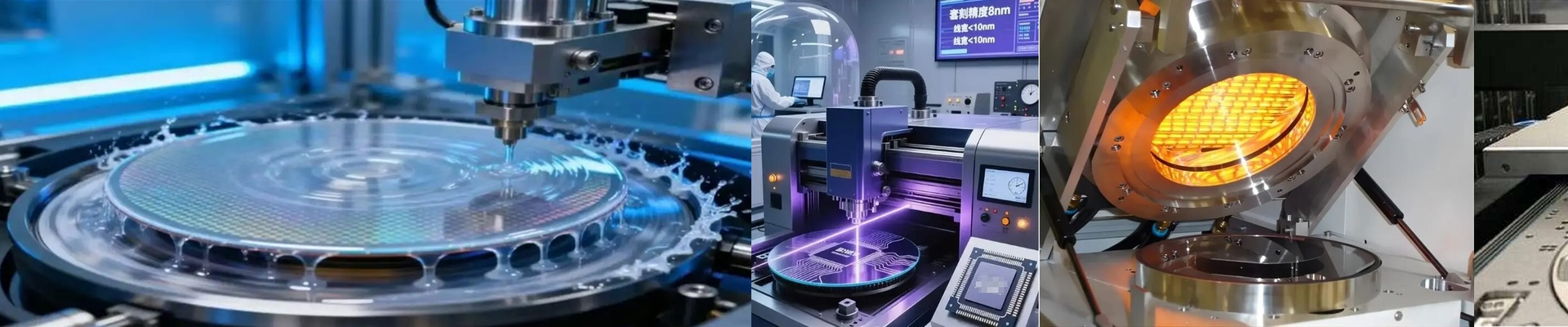
When you’re picking out a glovebox for a modern Fab, you aren’t just shopping for a way to make things hot. You need a system that actually talks to your digital controls without causing a headache. That’s why we stick with infrared (IR) heating. Instead of wasting time and energy trying to heat up every inch of the inert gas inside the box, IR just beams the heat directly onto your part. It’s cleaner and way more efficient. Precision and the Digital Side of Things If you’re running a smart setup, your heaters need to play nice with your PLC and PID loops. We use high-wattage IR lamps because they kick in fast. You get a rapid ramp-up and can control exactly which zones get the most heat. Because we use short-wave IR, the heat hits the workpiece, not the equipment. This is a big deal because it keeps your glovebox seals and the gloves themselves from getting cooked. Your cycle times drop. Just a heads-up, though: high-density heat takes a lot of power. If you cram too many kilowatts into a tiny space, you might accidentally fry your own control electronics. Balance is everything here. The Hardware That Actually Lasts We usually go with quartz-halogen elements. Why? Because quartz can handle the shock of jumping from cold to hot—and back again—without cracking. Depending on what gas you’re using, we can even tweak the coating on the tube to change how the heat is emitted. Then there’s the wiring. You need connections that don’t budge. Whether you’re using R7s or industrial pins, they have to stand up to vibration and the way metal expands when it gets hot. If a connector is loose, you’ll get arcing, and your elements will burn out way sooner than they should. The Trade-off: Speed vs. Shadows IR is incredibly fast. You can trigger a heat pulse and see the result almost instantly. It’s great for data-driven production. But here’s the catch: IR is line-of-sight. It’s not like a convection oven where the hot air wraps around everything. If your part has a weird shape or complex geometry, you’re going to have “cold spots.” To fix that, you can’t just throw one heater in and hope for the best. You’ll need to position multiple elements and map out your thermal zones during the design phase. It takes a bit more planning, but it’s the only way to make sure the heat is even.