


Keeping Your Fab Safe: IR Lamps in Volatile Zones
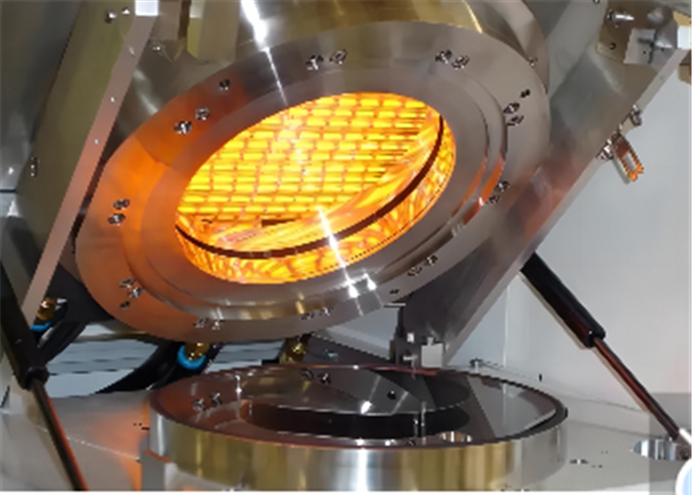
If you’re working in semiconductor fab drying—specifically the chemical cleaning stages—you know the vibe. You’re dealing with vapors that would love nothing more than to ignite. In that kind of environment, a standard infrared lamp isn’t just a tool; it’s a liability. One tiny spark or a quartz tube that decides to pop, and you’ve got a nightmare on your hands. We decided to stop playing that game. Instead of using open-air heating, we moved everything into a specialized encapsulation. How the encapsulation actually works Think of it as a high-grade shield. We seal the IR emitter inside a sleeve made of sapphire or chemically resistant quartz. It’s not just a loose wrap, either. We use a hermetic seal. This creates a hard physical wall between the heating element and those nasty volatile fumes. The chemicals can’t leak into the housing, and the lamp can’t accidentally set off any stray vapors floating around the chamber. It’s just… safer. The trade-off (and how we fix it) Now, here’s the thing: adding a layer of glass means you lose a bit of that direct heat. It’s basic physics. But we’ve got a handle on that. We just tune the wattage and tweak the focal length of the emitter. You still hit your drying targets, and you don’t have to worry about the enclosure getting too hot. Plus, because the filament is tucked away in its own little controlled atmosphere, it doesn’t get eaten alive by corrosive chemicals. Your lamps actually last longer. Getting it into your system The best part? These are basically drop-in replacements. They fit right into your existing fab footprint. Since the enclosure acts as a heat sink for the electrical connections, you don’t have to worry as much about those terminals wearing out from constant heat stress. Just one heads-up: those outer sleeves will get gunky over time. Chemical residue happens. You’ll want to set up a regular cleaning schedule. If you let the grime build up, you’ll get “hot spots” on the glass, and that’s how you get thermal fractures. Keep it clean, and it’ll keep working.