

Stop Wasting Time: Why IR Heating Beats Hot Air for Wafers
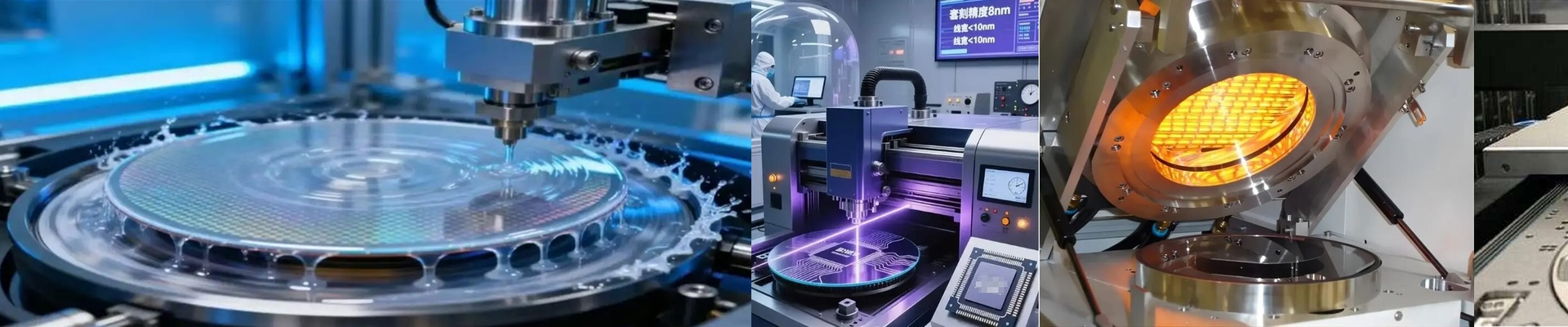
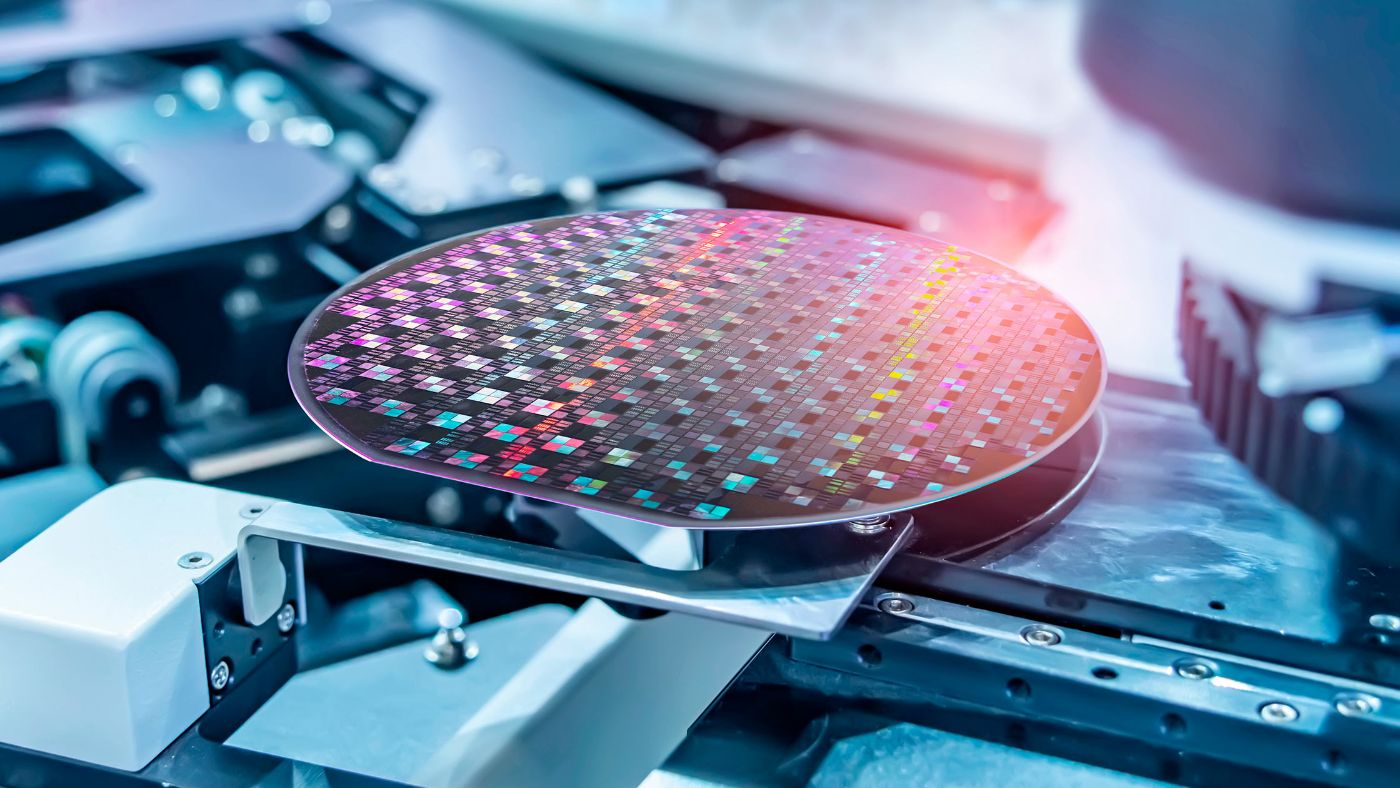
Let’s talk about the headache of waiting. In semiconductor processing, we’ve spent years relying on hot air circulation. But here’s the problem: hot air is slow. It needs a medium to move. You have to heat the chamber, then heat the air inside the chamber, and then finally heat the wafer. It’s a lot of middle-men. Infrared (IR) heating cuts all that out. It doesn’t care about the air. It just beams energy straight into the silicon. The clock is ticking When you switch to IR, the “warm-up” phase basically disappears. We’re talking about hitting target temperatures in seconds, not minutes. Think about your ramp-up and ramp-down cycles. When you stop heating the air and start heating the wafer directly, your throughput jumps. You get more wafers through the door every hour, and you aren’t standing around watching a gauge climb. It’s a huge relief for the workflow. The balancing act Now, it’s not just about cranking up the power. You have to get the distance right. If the IR lamp is too close? You’ll get hot spots or, worse, you’ll fry the wafer surface. Too far? You lose that intensity and your cycle times start creeping back up. We usually figure this out by looking at the wattage per square centimeter. If you use high-density IR arrays, you can actually move the lamps further away and still get the same heat. It gives you a bit more breathing room in your chamber footprint without sacrificing speed. The catch Of course, nothing is perfect. IR is directional. It only heats what it can “see.” If your wafer has a complex shape or you’re processing a whole batch in a cassette, you can’t just slap a lamp on top and call it a day. You’ll need reflectors or multi-angle arrays to make sure you don’t end up with cold spots. And a quick warning on the controls: IR reacts instantly. If your PID loops are sluggish, the system will overshoot the temperature before the controller even realizes it happened. That’s a fast way to ruin a batch. You need a control system that can keep up with the speed of the light.