

Making Infrared Heaters That Actually Last
If you’ve ever put a heater on a patio or in a semi-outdoor spot, you know the struggle. You’re fighting humidity, morning dew, and the occasional unexpected rain shower. Most heaters just can’t take it. The lamps burn out way too fast, and suddenly you’re staring at a cold patio and a dead piece of hardware. We wanted to fix that.
The battle against moisture
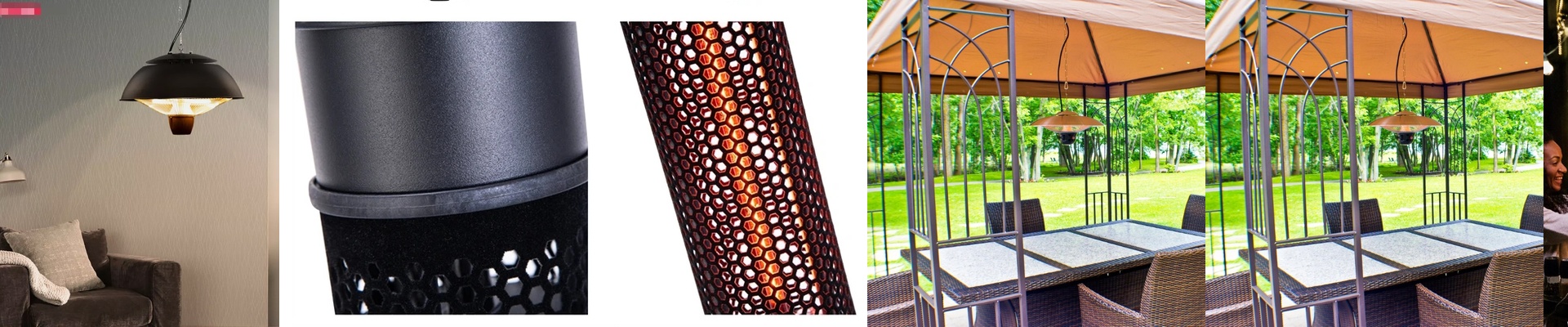
Here is the real problem: quartz heating tubes hate condensation. When that scorching hot lamp hits cold, damp air, water clings to the glass. If even a tiny bit of that moisture leaks past the seal, it eats the tungsten filament alive. To stop this, we didn’t just “hope for the best.” We used specialized sealing gaskets and an anti-fog coating. Think of it like a rain-repellent for your heater. The water just beads off, the heat stays steady, and the vacuum inside the tube stays exactly where it belongs.
Keeping the electronics dry
Water and electricity are a terrible mix. If water seeps into the terminals, you get a short circuit. Simple as that. We designed our housings to act like a shield. Instead of letting water pool around the connectors, the shape of the unit actually diverts it away from the wiring. We also raised the internal parts and used materials that naturally push water away. It’s a far cry from those cheap, open-frame heaters that rust the moment they feel a breeze.
A quick heads-up on airflow
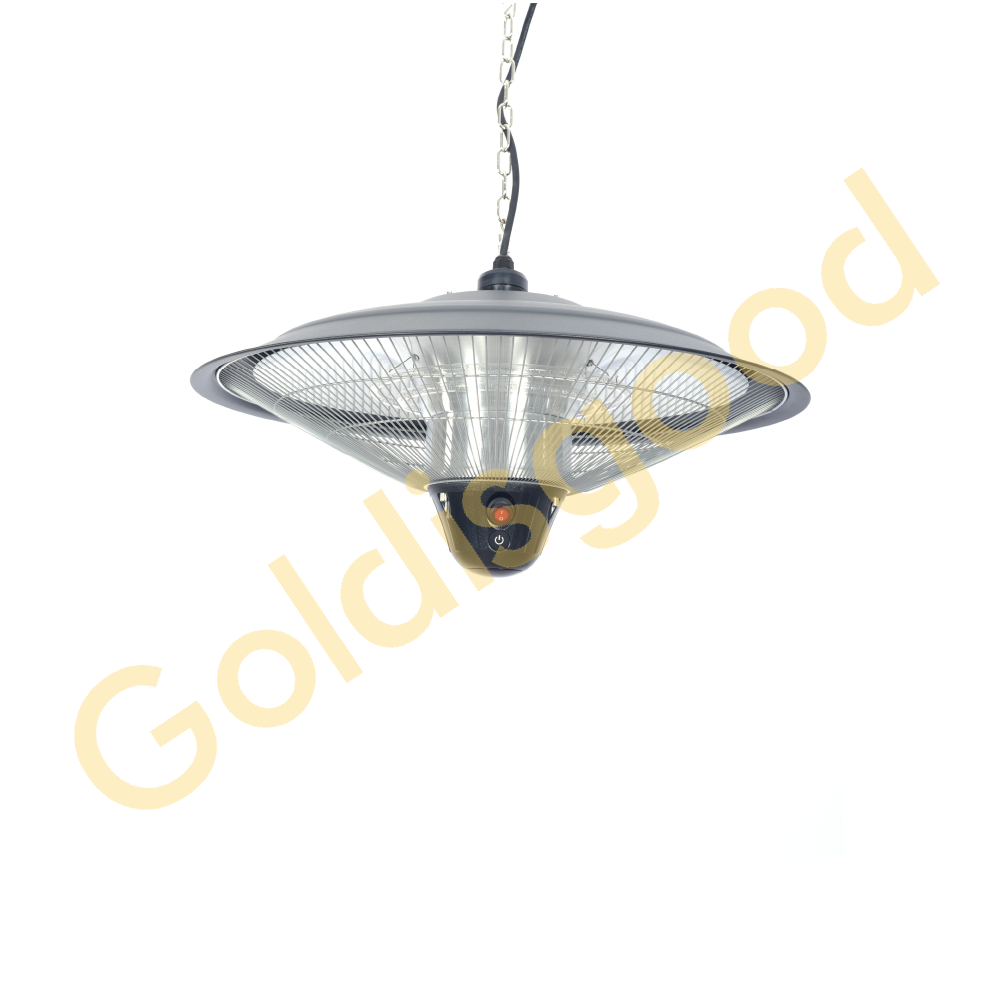
Now, there is a trade-off. Because we’ve added these protective shells and coatings to keep the rain out, the air doesn’t move around the unit quite as freely as it would in a naked heater. This means some heat can get trapped inside the housing. Just make sure you leave plenty of breathing room above the unit when you mount it. If you cram it too tight against a ceiling, you’ll build up too much heat in the cavity. Give it some space. We build these for the high-traffic spots where the last thing you want to do is climb a ladder to swap out a burnt-out tube every few months. We seal the electronics and treat the glass so you can just flip the switch, feel the warmth, and forget about the maintenance.