

Making Your Smart Home Actually Warm: The Truth About IR Elements
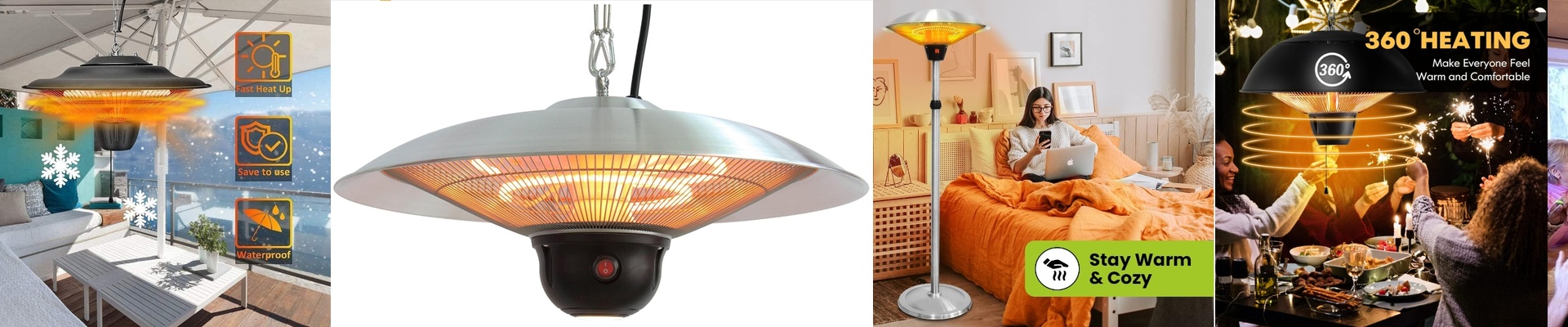
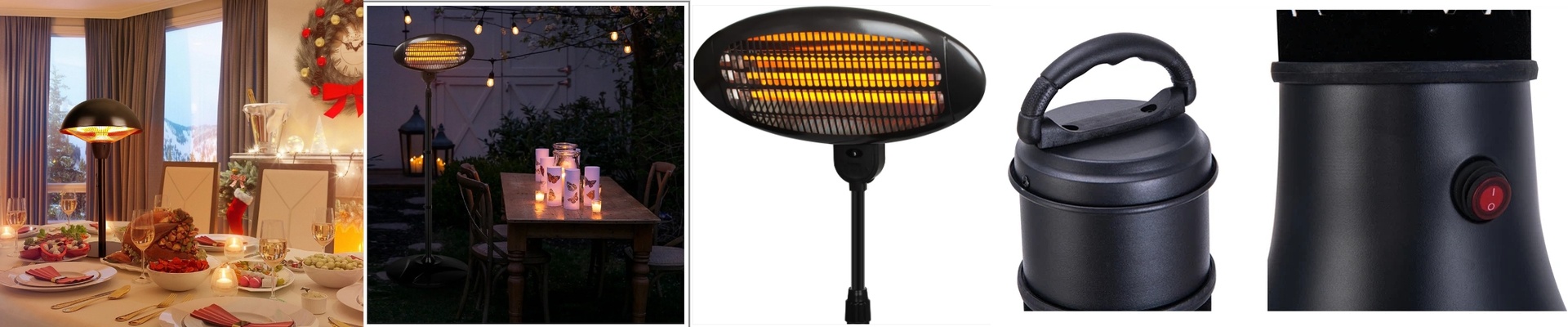
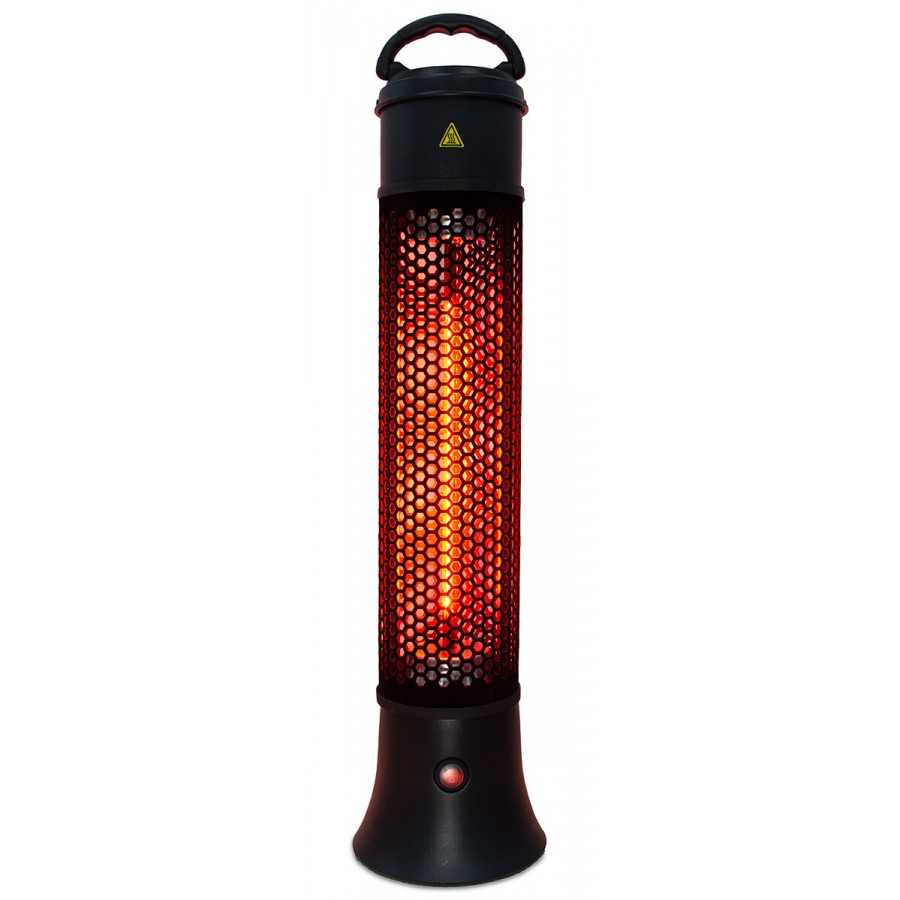
If you’re trying to plug an infrared heater into a smart home setup, you’ve probably realized it takes more than just slapping a Wi-Fi chip on the side. You need hardware that can handle being turned on and off constantly without just… giving up. That’s where our IP65 replacement elements come in. We built them to handle the grit of the real world while playing nice with your digital controls. Let’s talk about that IP65 rating. In plain English? It means dust stays out and water doesn’t get in. This is a big deal if you’re putting a heater in a steamy bathroom or on a patio where the weather is unpredictable. We use sealed quartz envelopes and terminals that don’t mind a bit of moisture. When you hook these up to a Zigbee switch or a smart relay, you don’t have to worry about humidity eating away at your connections. It just works. Instant heat. No waiting. Nobody likes waiting twenty minutes for a room to warm up. Infrared is great because it hits you (and your furniture) directly instead of trying to heat the air. We’ve tuned these elements to react fast. You can trigger a “Winter Morning” scene from your phone, and you’ll feel the heat almost immediately. It’s satisfying. A quick heads-up on power. Here’s the thing: high wattage is great for warmth, but it can be brutal on your hardware. If you’re using a basic smart plug, keep an eye on the amperage. A 2000W element can easily fry a cheap relay. If you want these things to last, I highly recommend using heavy-duty Solid State Relays (SSRs). They handle the power spikes much better and let you dim the heat without killing the filament. These elements are designed to be simple drop-in replacements for your old, burnt-out lamps. You get the same fit, but with the toughness needed for a home that runs itself.