


Getting the Heat Right in Bio-Sensor Fabrication
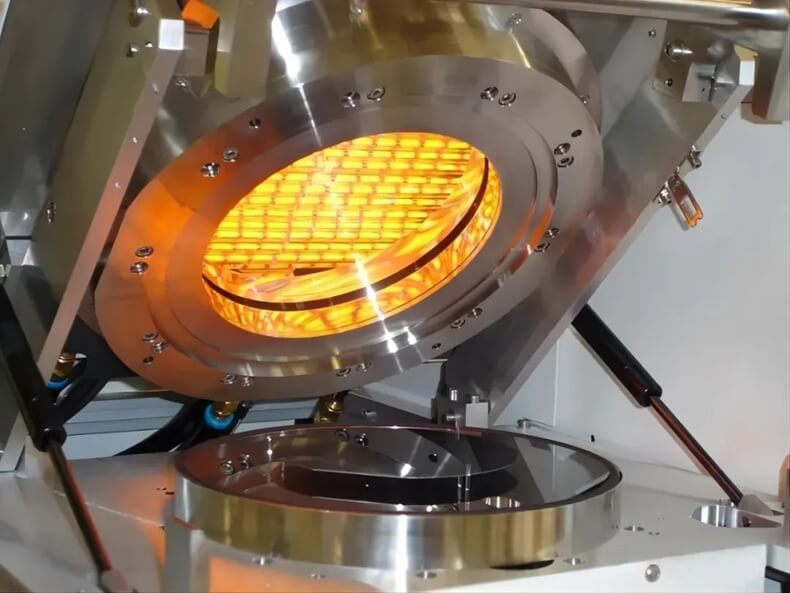
If you’ve ever worked with bio-sensors, you know the struggle. You’re walking a tightrope. If the temperature is off by just a bit, your substrate warps or your coating just peels right off. It’s frustrating. Most shops are trying to move away from that “guess-and-check” manual tuning. We’re moving toward a setup where the data does the heavy lifting. That’s why high-efficiency infrared (IR) systems have become the go-to. Unlike those clunky convection ovens that take forever to warm up, IR hits the material directly. It’s fast. Really fast. The Balancing Act When we’re picking out IR lamps, it’s all about the math—matching the wattage and voltage to the actual mass of the sensor. High-wattage quartz lamps are great because they ramp up the heat instantly, which is a lifesaver for rapid curing. But here’s the catch: you can’t just crank it to eleven. If you dump too much power into a tiny area, you get hotspots. One little hot spot and your sensor’s sensitivity is shot. Total waste. The Gear and the Data We use specific connectors and coated quartz to dial in the wavelength. Think of it like this: short-wave IR sinks deep into the material, while long-wave just toasts the surface. To make this “smart,” we wire these lamps into PID controllers and link them to real-time thermocouples. This means the system remembers every single heating cycle. You basically end up with a digital map of exactly how your process behaves. No more wondering why Batch A worked and Batch B didn’t. The Trade-offs Now, it’s not all sunshine. IR systems are great for saving floor space and slashing your cycle times, but they generate a ton of waste heat. If your HVAC or cooling manifolds aren’t up to the task, you’re going to have a problem. The ambient heat can soak into your sensors and cause them to drift. Plus, if the air around the equipment gets too hot, your sockets will overheat and your lamps will burn out way faster than they should. It’s a powerful setup, as long as you keep it cool.