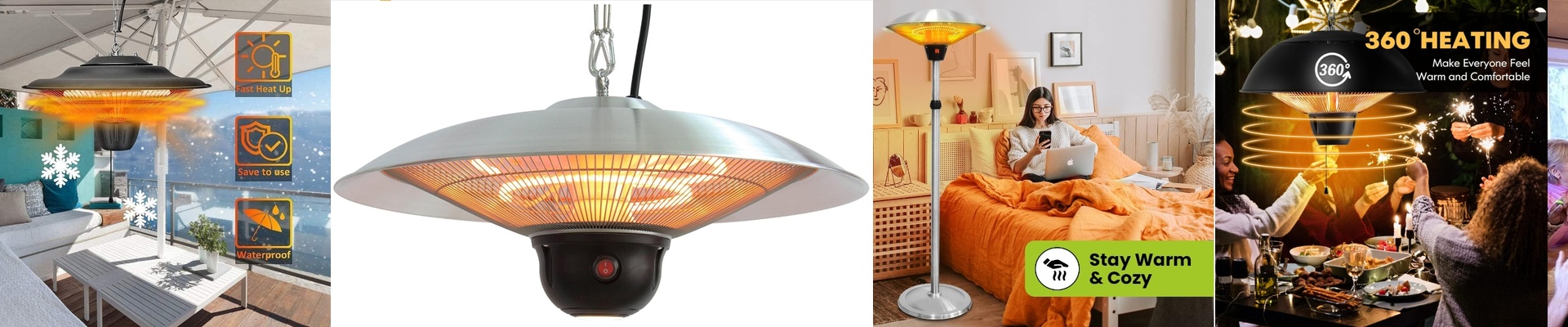

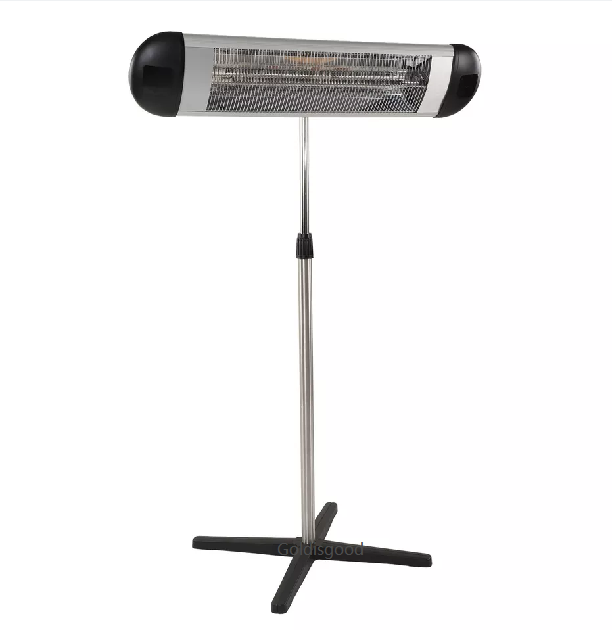
Keeping Your Bathroom Warm (And Safe)
Let’s be honest: there is nothing worse than stepping out of a hot shower into a freezing bathroom. It’s a shock to the system. But when you’re putting a heater in a room full of steam and splashing water, you can’t just use any old lamp. Here is the problem. Most standard infrared heaters are a disaster in the shower. A few stray water droplets hit a scorching hot quartz surface, and pop—the glass shatters. It’s dangerous and messy. That’s why we do things differently.
The Secret is in the Glass
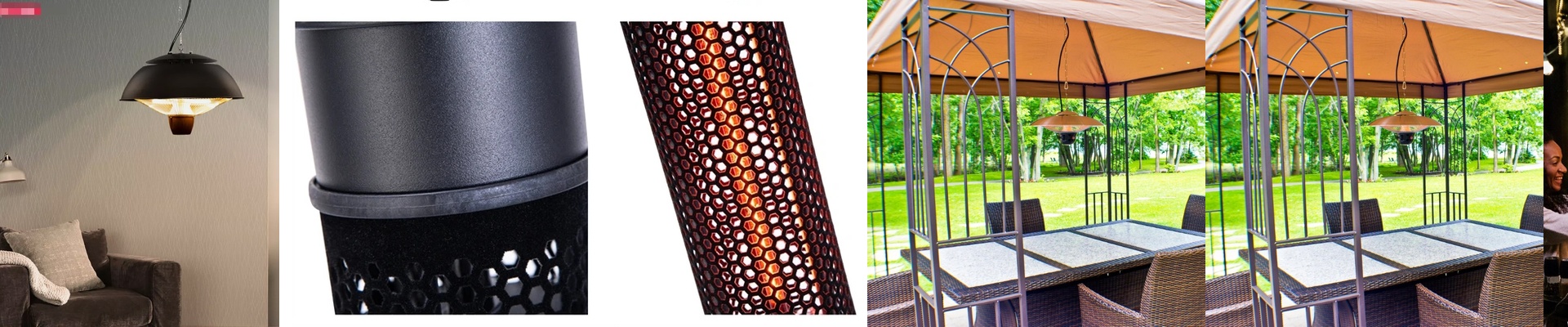
We use explosion-proof quartz. Now, that sounds intense, but it basically means the glass is built to handle a wild ride. Bathrooms are brutal on materials. You’ve got heavy humidity one second and a sudden blast of heat the next. Regular glass just can’t keep up; it cracks under the pressure. Our quartz tubes are designed to take those temperature swings without breaking a sweat. Plus, we add a special coating to the tube. This makes sure the heat actually hitsyou, not the air around you. You feel the warmth instantly on your skin, which is exactly how it should be.
Keeping the Water Out
Then there’s the electricity. Water and power don’t mix. Period. We use IP65-rated housings, which is just a fancy way of saying the unit is sealed tight against dust and water jets. We make sure the electrical connections are locked down so moisture can’t creep in. It’s not just about avoiding a short circuit. If moisture gets in, it eats away at the metal terminals. That leads to arcing, which eventually burns the whole thing out. We’d rather just build it right the first time.
A Couple of Things to Keep in Mind
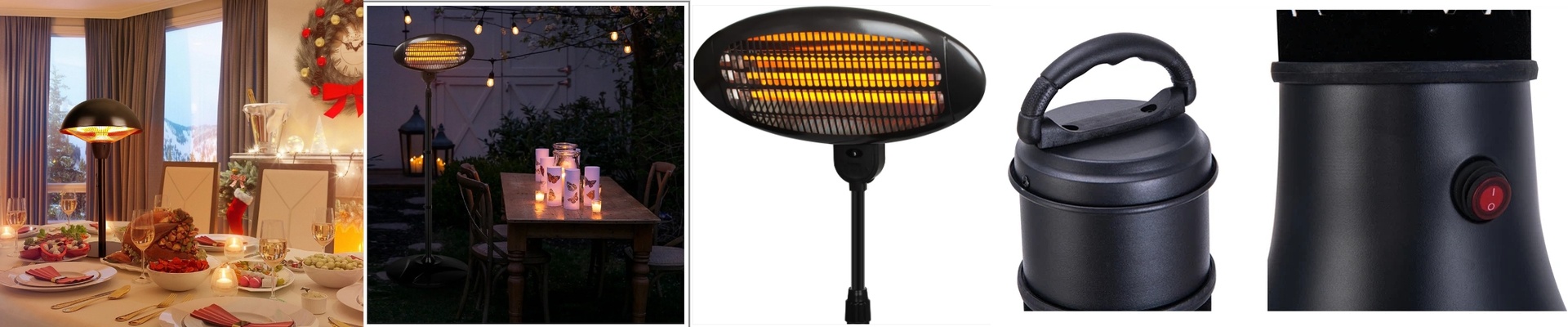
These heaters are powerful. They give you a massive amount of heat in a tiny package, and there’s zero warm-up time. You flip the switch, and you’re warm. But, because that quartz tube getsreallyhot, you have to be smart about where you put it. You can’t just mount it where someone might accidentally lean against it—you’ll get a nasty burn. It’s all about finding that sweet spot: high enough to be safe, but low enough that you actually feel the heat. If you’re swapping out an old, sketchy heater for one of ours, it’s usually a simple drop-in. Just double-check that your wiring can handle the wattage. You don’t want to be tripping your breakers right in the middle of a January cold snap.