
Why We Stopped Making “Permanent” Patio Heaters
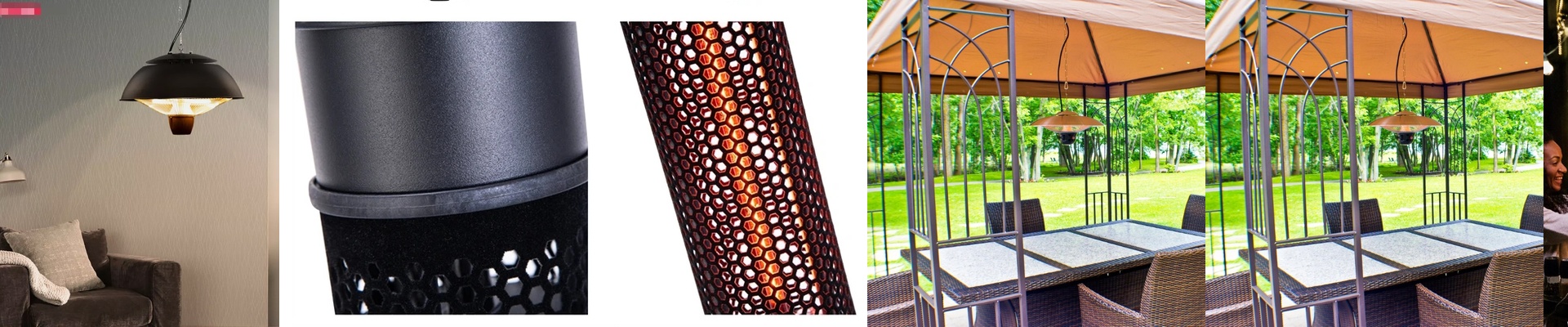
Let’s be honest: outdoor heaters have a rough life. They sit out in the rain, bake in the sun, and deal with wild temperature swings every single day. Most companies build their heaters like a sealed box. The heating element is basically welded in. So, the moment a tube burns out, the whole expensive chassis becomes a giant piece of scrap metal. It’s a waste of money and a headache for everyone involved. We decided to do things differently.
The headache of the “Fixed-Wire” setup
Here is the reality: infrared tubes don’t last forever. After a few years of heavy use, the filament gets thin and the quartz glass gets cloudy. It just happens. If you have a standard heater, fixing this is a nightmare. You have to strip the entire housing, mess around with soldering irons, and spend an hour just to get one unit working again. It’s tedious work that nobody actually wants to do. Our fix? A plug-and-play system. We put the heating element in its own little carriage with quick-release fasteners. Instead of tearing the heater apart, you just pop the old module out and slide a new one in.It’s that simple.
The trade-offs (because nothing is perfect)
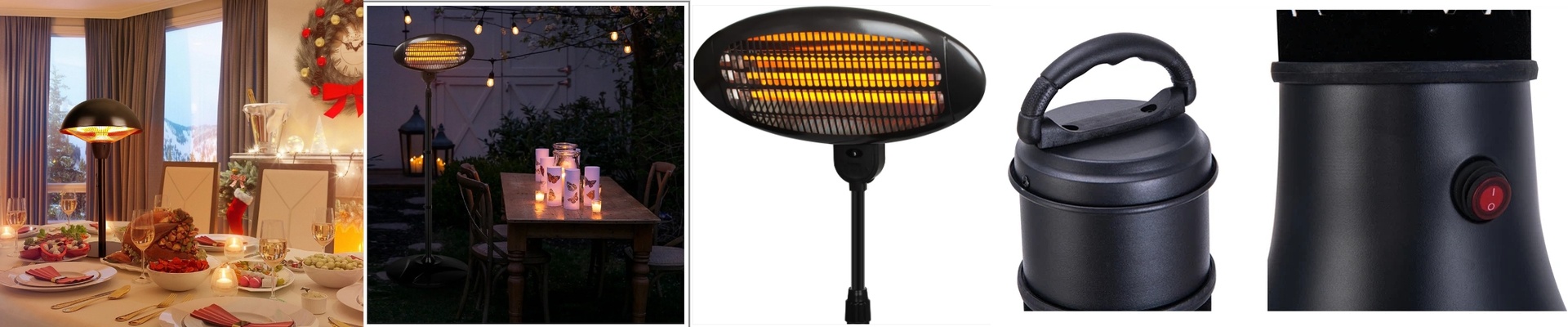
We use shortwave infrared, which is great because you feel the heat instantly—it doesn’t waste time trying to warm up the cold air around you. We also use reinforced quartz glass, so you don’t have to worry about the glass cracking when a cold raindrop hits a hot surface. Now, there is one catch. To make the connectors tough enough to handle high power without melting, the heater head has to be a bit larger. You lose a few centimeters of space, but in exchange, you get a replacement window that takes about 10 minutes. I’ll take that deal any day.
Real-world maintenance
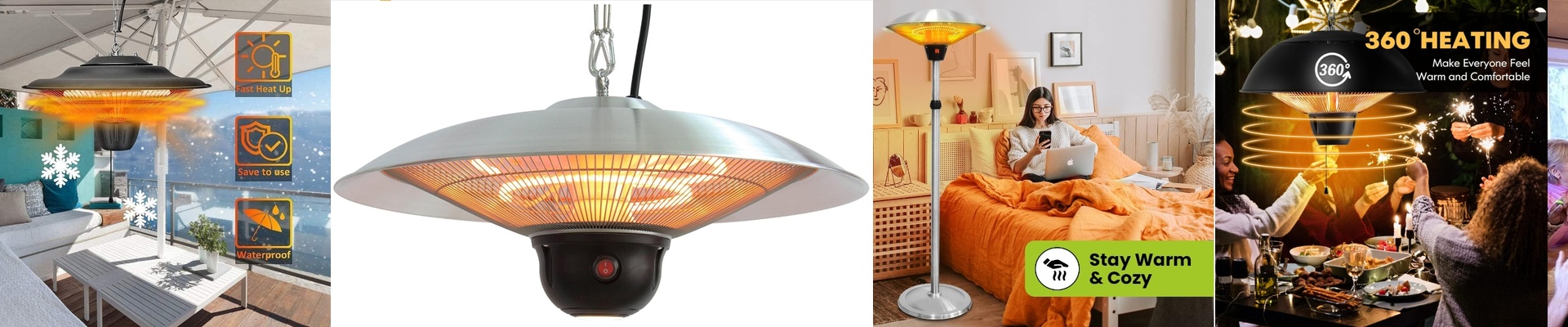
Imagine you’re managing a commercial patio with twenty different heaters. You can’t afford to spend your whole afternoon tinkering with one broken unit while customers are shivering in the cold. With this design, a technician doesn’t even need a specialized toolkit. They just walk up, click the module into place, and the heater is back in business. No downtime, no expensive labor bills, and no stress. When a tube goes, you just drop in a new one and get back to your day.