

Why Your Bathroom Needs More Than Just a Heater
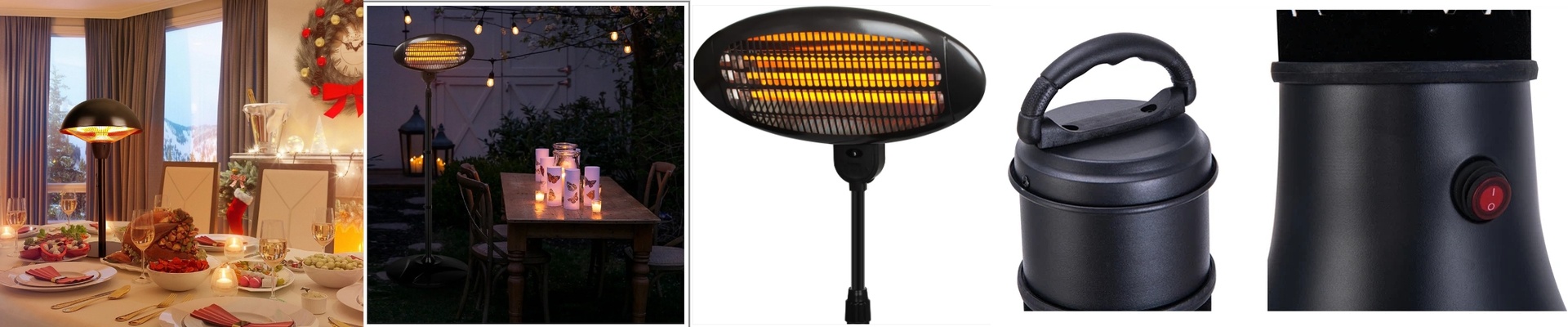
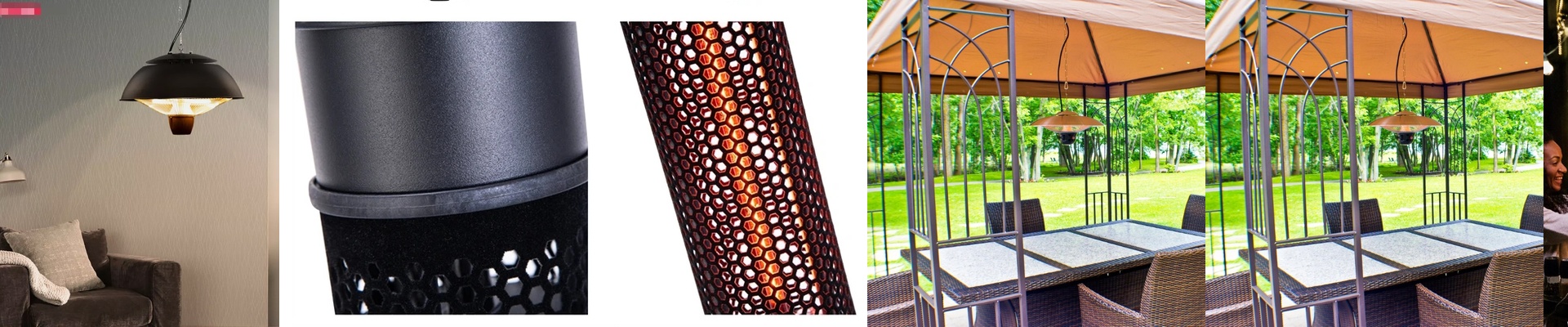
Most people think bathroom heat lamps are just there to keep you from shivering when you step out of the shower. But if you look under the hood, there’s something much cooler happening. When you put an IP65-rated infrared heater in your bathroom, you aren’t just warming up the air. You’re actually targeting the water clinging to your walls and ceiling.
Stopping Mold Before It Starts
Mold loves a damp, stagnant room where the walls feel cold to the touch. That’s where these lamps come in. They use short-wave infrared radiation—which is a fancy way of saying they send heat straight into your tiles and grout. It warms the surface up fast. And here’s the trick: as long as the wall stays warm, water can’t settle and condense. No condensation means no standing water, and no water means mold spores have nothing to eat. It’s basically a way to dry out your room using light and heat instead of just blowing air around.
The Nitty-Gritty: Steam and Safety
Water and electricity are a bad mix. That’s why the IP65 rating matters. It means the guts of the heater are sealed tight against splashes and thick steam. You also want a housing that can take the heat without warping or getting flimsy. But a quick heads-up on the install: check your wiring. If you’re squeezing high-wattage lamps into a tight ceiling, your junction boxes need to be able to handle that heat. If there’s no room for the fixture to breathe, you’re looking at burnt-out sockets a lot sooner than you’d like.
The Catch
Infrared is fast. Like, instant. You flip the switch and you feel it immediately. The downside? The second you turn it off, the surface temperature drops just as quickly. If you’re trying to keep a bathroom truly dry, a five-minute timer won’t cut it. You’ll want a cycle that keeps things warm during those peak humidity windows—usually right after the morning rush.