Why We’re Switching to High-IP Infrared Heaters in the Bathroom
You know those old-school bathroom heat lamps? The ones that basically act like giant, blinding lightbulbs? They’re a waste. Most of the energy goes into making the room bright, not making you warm. That’s why we’ve shifted toward infrared (IR) heaters. Instead of trying to warm up all the air in the room—which takes forever—these go straight for you. It’s the difference between waiting for a room to heat up and stepping into a beam of sunlight. You feel it instantly.
Dealing with the Steam
Bathrooms are tough on electronics. Between the steam and the occasional splash, moisture finds its way into everything. If water gets into the wiring, things short out or the filaments just give up. To stop that, we use high IP ratings. Basically, it’s just a fancy way of saying we’ve sealed the guts of the heater so tight that steam can’t get in. It keeps the electricals dry and the heater running long after a cheap one would have fried.
The Nitty-Gritty Stuff
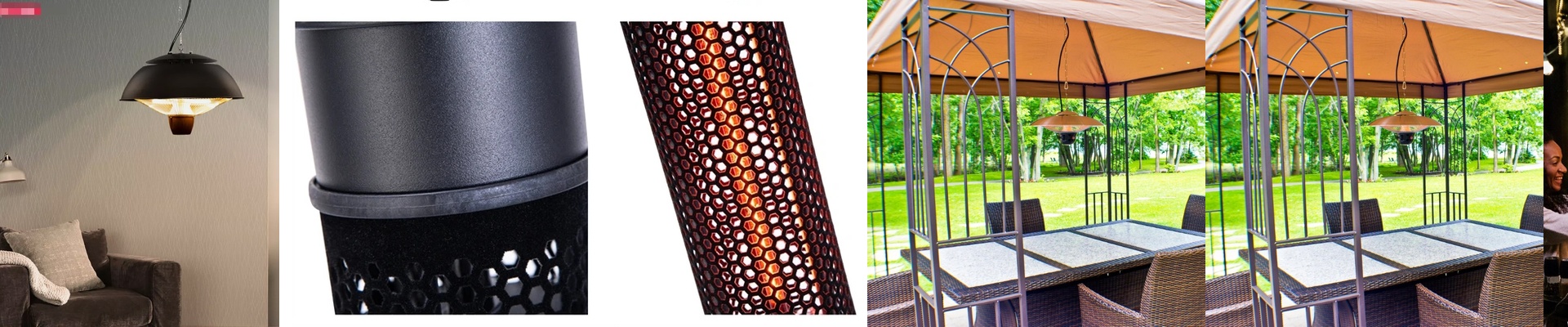
Inside, we use quartz glass tubes filled with halogen gas. It helps the heater last longer. And since nobody likes being blinded while brushing their teeth, we add special coatings to the tubes. It cuts down the glare but keeps all that cozy heat. The real battle is the wiring. Water loves to crawl along wires—we call it capillary action—and pull itself right into the circuitry. We use reinforced seals at every entry point to block that path. One quick heads-up: these pull a bit more power than a standard LED light when they first kick on. Just make sure your bathroom’s wiring can handle the jump in wattage so you aren’t tripping breakers.
Fitting Them In
Getting these to work with mirrors is a bit of a puzzle. Space is tight. We’ve kept the elements slim so they can hide behind the glass or tuck into a narrow ceiling cutout without looking bulky. But here’s the thing: these get hot. Fast. If you mount them too close to cheap plastic trim or some low-grade glue, you’re going to see some warping. It’s not pretty. Always leave a little breathing room around the housing. Even though the heat beams forward, the box itself needs a bit of air to stay cool.