
Stop Heating Your Machine and Start Heating Your Sensor
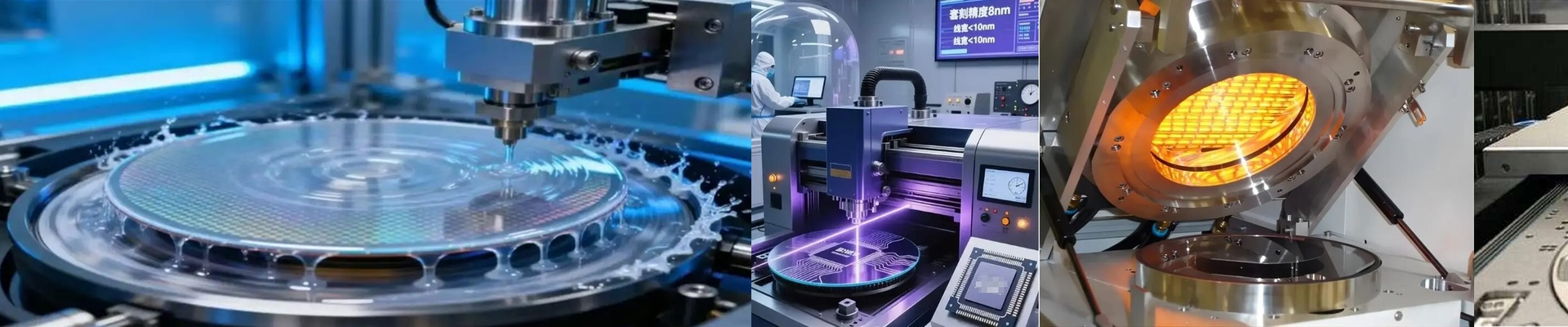
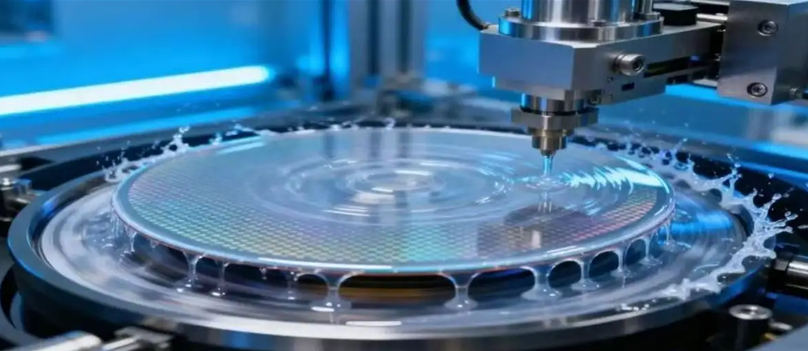
Making biosensors is a bit of a balancing act. You need precise heat, but standard IR lamps are basically space heaters—they throw energy everywhere. The problem? Your equipment walls end up acting like giant sponges, soaking up all that wasted heat. When your chassis gets that hot, you’re not just wasting power; you’re risking a fried circuit board or a nasty burn for whoever is operating the machine. Focus is everything. We handle this by using directional infrared technology. Instead of letting the heat spray in every direction, these lamps aim it straight at the substrate. It’s a huge relief. You get the surface temperature you need on the biosensor, but the air and the machine walls stay cool. No more fighting with a chassis that feels like an oven. The trade-off: Power and Precision To get those fast ramp-up speeds required for biosensor layers, we rely on high-wattage quartz elements. They pack a lot of punch into a tiny space. Just a heads-up: make sure your power supply can handle that initial surge. And be careful with your setup. Because the heat is so concentrated, if your alignment is off by even a couple of millimeters, you’ll end up with hot spots on your wafer. It’s a tight window, but the results are worth it. Getting it installed safely Setting these up in a semiconductor environment takes a bit of finesse. We use focused reflectors to keep the “hot zone” locked onto the fabrication area. The best part? You can ditch the heavy-duty insulation on the inner walls. That makes the whole machine lighter and way easier to move. One thing though—**be smart about your eyes.**These focused beams can cause real damage, so get your shielding in place before you flip the switch. Once it’s running, you’ll notice the difference immediately. The chassis stays cool, which makes servicing the gear a lot less stressful. Plus, your capacitors and sensors will actually last longer because they aren’t being baked alive by heat soak.