
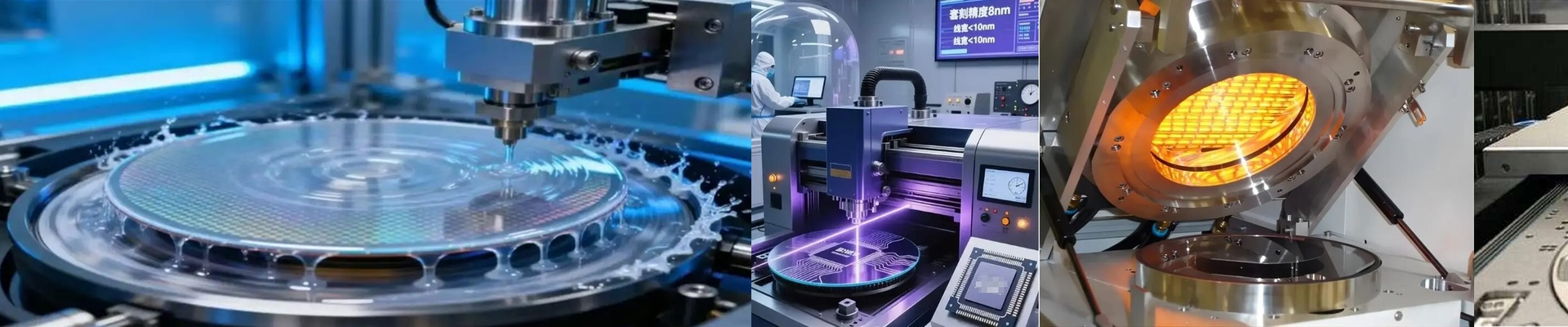
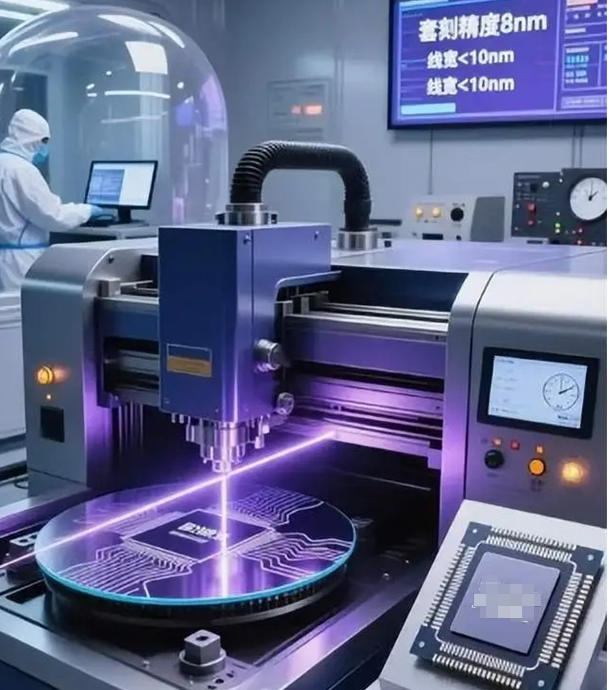
Why we’re ditching convection ovens for UHP Infrared Curing
For a long time, semiconductor fabs have relied on those big convection ovens. But honestly? They’re a bit outdated. We’re seeing a huge move toward Ultra High Purity (UHP) infrared lamps. It’s not just about hitting “green” energy targets or following lead-free mandates—it’s about common sense. Think about it. Forced-air systems try to heat the entire room just to get a wafer dry. It’s overkill. UHP lamps are different. They send energy straight to the substrate using electromagnetic radiation. No middlemen. The physics is actually pretty simple. When you use a traditional dryer, you’re wasting a ton of power heating the internal walls of the machine. It’s like trying to warm up a house by heating the driveway. With UHP lamps, we target the specific absorption bands of the chemical coating or photoresist. You flip a switch and it’s instant. No waiting around for the machine to “warm up.” That’s a lot less electricity per wafer, which makes everyone in finance happy. Keeping things clean. In a cleanroom, “outgassing” is the enemy. One tiny particle in the wrong place and you’ve got a problem. That’s why we build these lamps with high-purity synthetic quartz and special filaments. We make sure nothing sheds. And when we talk about “lead-free,” we aren’t just talking about the solder on a board. We’re talking about the whole process. By using infrared, you don’t need those solvent-heavy drying agents or sketchy airflow that can carry pollutants. You just get a clean, dry surface. Period. The catch (because there’s always one). Here’s the thing: these lamps pack a massive punch in a tiny space. That’s great for getting more wafers through the line, but it puts a lot of pressure on your cooling manifolds. If you throw in a high-wattage UHP array but forget to upgrade your chilled water loop, you’re going to have a bad time. You’ll likely overheat the edges of the wafer, and that leads to warping. You have to find that sweet spot between the lamp’s power and the substrate’s thermal mass. The good news? We design these to slide right into your existing vacuum or atmospheric tracks. You get to kill off those massive, power-hungry fans and heaters, and your carbon footprint shrinks along with them.