

Keeping Things Safe When Heating Volatile Chemicals
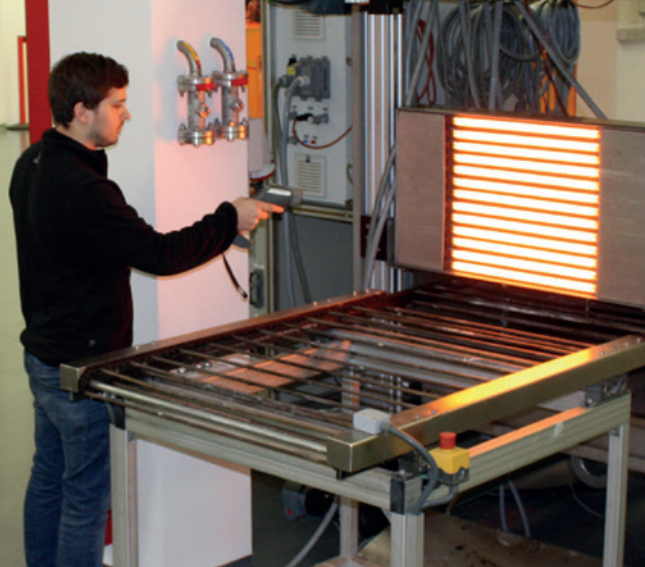
If you’re fabricating carbon nanotubes (CNTs), you know that thermal control is everything. But here’s the problem: when you’re dealing with flammable cleaning agents, a standard infrared lamp is basically a ticking time bomb. One tiny spark or a cracked quartz tube, and you’ve got a flash fire on your hands. We decided to stop relying on open-element designs. Instead, we went with a specialized encapsulation system. The deal with the housing We wrap the infrared emitters in a chemically resistant, explosion-proof shell. Think of it as a hard barrier that keeps the scorching hot filament far away from those volatile vapors. It’s more than just a cover, though. We’ve built it to stop corrosive solvents from sneaking in and eating through the lamp seals. By using heavy-duty gaskets and reinforced glass, the internal vacuum stays locked tight, even when the outside is getting blasted with aggressive chemicals. Getting the temperature right Consistent CNT growth only happens if your temperature stays rock steady. To keep things from swinging wild, we use a closed-loop feedback system. One thing to watch out for: because the housing adds a bit of bulk, the lamps don’t heat up quite as fast as a bare bulb. You’ll notice a slight lag. Just make sure to tweak your PID tuning to account for that, or you’ll end up with temperatures that bounce up and down. Putting it into practice When you’re wiring these up, the very first thing you should do is check the seals. A leak doesn’t just kill the lamp—it puts the whole shop at risk. We kept the footprint small so these can slide right into your existing chemical baths or drying chambers without a fight. But a heads-up: the encapsulation traps some heat. If your airflow is sluggish, the housing can get hot enough to melt nearby plastic parts. Double-check that your ventilation can actually handle the total wattage of your array. It’s a simple step, but it saves a lot of headaches later.