
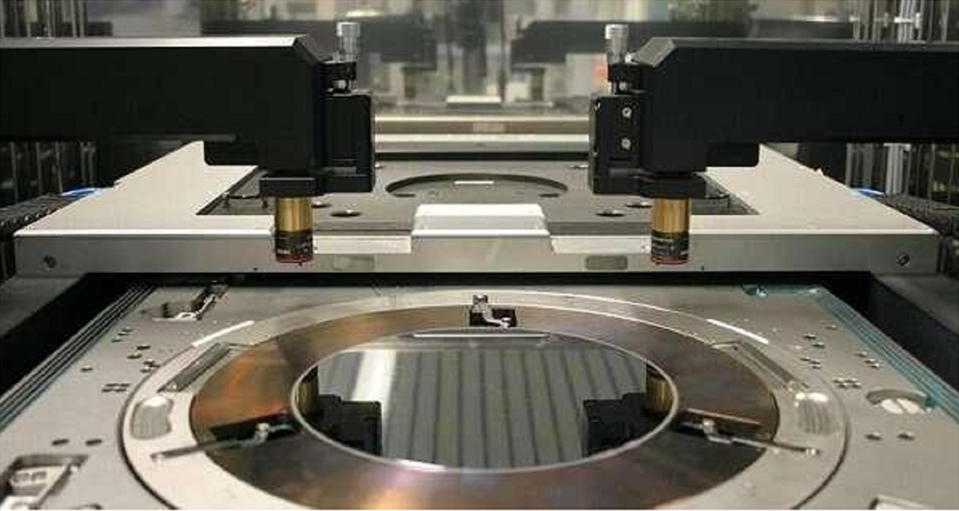
Stop the Shards: Keeping Your Wafers Safe from Lamp Failures
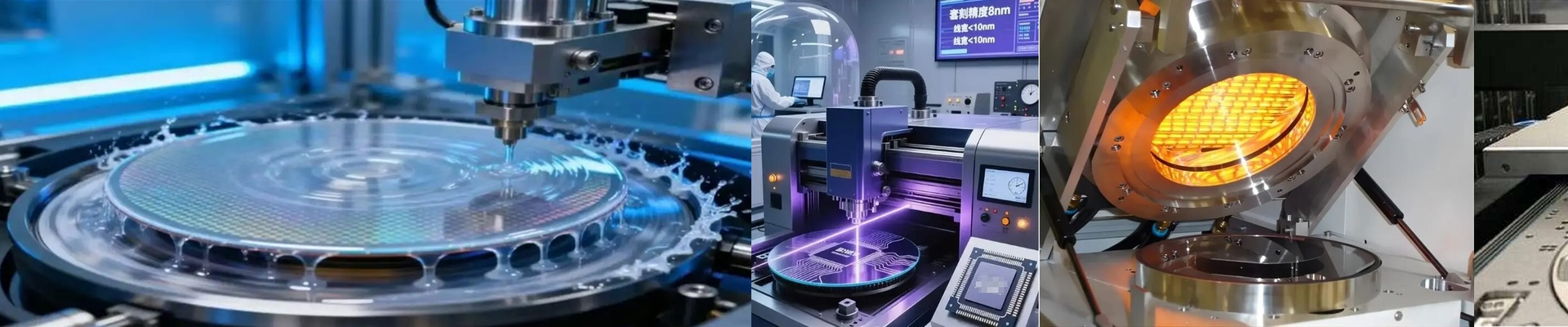
In a high-volume semiconductor fab, a burst infrared lamp is a nightmare. It’s not just about the machine stopping for a few hours. It’s the mess. Imagine glass shards and tungsten filaments raining down right onto your silicon wafers. One tiny pop and you’ve got a contamination disaster on your hands. We build our heaters specifically to make sure that never happens. Why lamps actually blow Usually, it comes down to thermal shock or a nasty hotspot. To fight this, we use high-purity synthetic quartz with a wall thickness that can actually handle rapid heating and cooling. But the real secret is in the centering. We keep the tungsten filament within a tolerance of less than 0.1mm. Why? Because if that filament drifts and touches the tube wall, it creates a hotspot. The quartz softens, the pressure builds, and—pop—you’ve got a problem. The “Safety Net” approach We don’t just trust the glass to hold up. We added a secondary containment shield—basically a high-temp sleeve that wraps around the lamp. Think of it as an insurance policy. If the tube fails, the sleeve catches everything. The debris stays locked inside instead of ending up on your wafers. We also took a hard look at the connectors. Poor contact at the terminals creates heat, which cracks the quartz ends. We swapped those out for heavy-duty terminals that stay tight, so you don’t have to worry about end-cap failures. The honest trade-off Now, here is the catch. Putting a shield around a lamp means a bit of the infrared heat gets blocked. You’ll likely see a 5-10% drop in heat density. To fix that, you just need to bump up the wattage on your power supply or give the wafers a little more dwell time. It’s a small tweak. And honestly? It’s a lot better than scrapping an entire batch of wafers because one lamp decided to quit.