
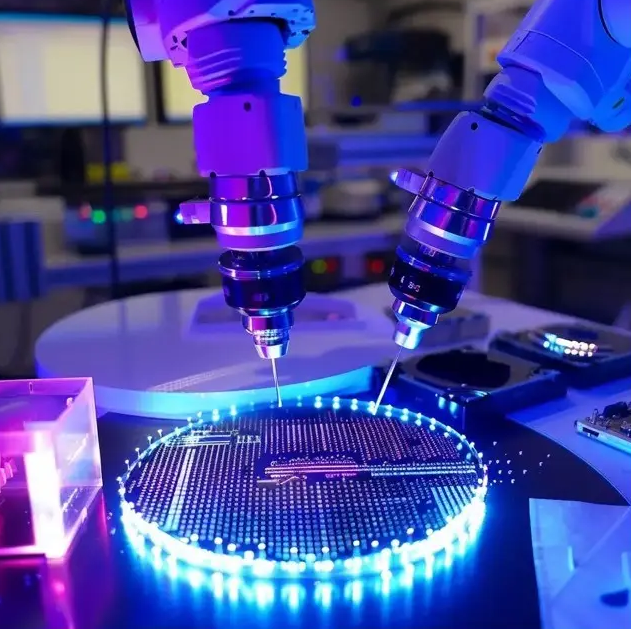
Stop Heating Your Oven Walls (And Start Heating Your Product)
Ever walked up to a piece of semiconductor gear and realized the outer chassis is practically scorching, but the wafer inside is still barely warm? It’s a frustrating sight. You’re paying for a ton of power, but most of that energy is just wasting away on the inner walls of the machine. It’s a safety risk, it’s a waste of money, and honestly, it’s just bad engineering. The problem is that old-school convective heating is basically just “heating everything in the room.” It dumps heat everywhere and hopes the product catches enough of it to get the job done.
A Better Way: Directional Heating
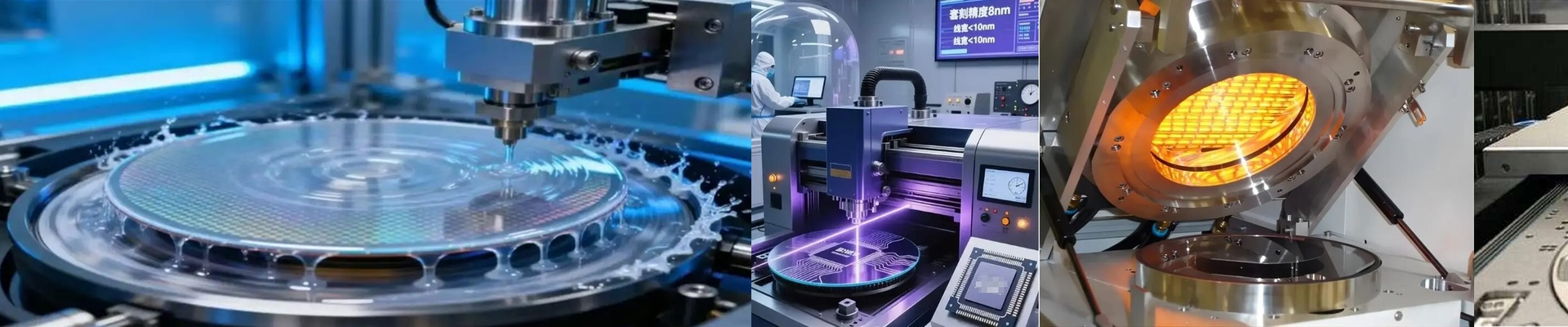
We’ve moved away from that ambient approach by using infrared (IR) lamps. Think of it like a flashlight. Instead of heating up the air, IR sends electromagnetic radiation in a straight line. The energy doesn’t really “do” anything until it actually hits a surface. So, if you aim it right—and use the right reflective materials on your walls—the chassis stays cool while the workpiece gets all the heat.
Making it Work in a Clean Room
You can’t just throw any lamp in there. In a clean room, particles are the enemy. We use short-wave IR emitters wrapped in quartz envelopes. Why? Because they don’t flake. You get a tight, concentrated beam of energy without worrying about contaminating your environment. But you have to be careful with the spacing. If the lamp is too close, you’ll burn a hole in your product with a hotspot. Too far, and you’re back to wasting time waiting for things to warm up. To fix this, we usually use gold-plated reflectors. They bounce those stray rays right back toward the target, keeping the heat exactly where it belongs.
The Trade-offs
Now, this isn’t some magic wand. There are things you have to watch out for. Because the heat density is so intense at the focal point, you can’t just “set it and forget it.” You need a really precise PID controller. Without one, you’ll overshoot your temperature and ruin your substrate before you even realize what happened. Plus, if a lamp shifts or burns out, your heating becomes uneven. And keep an eye on your power supply—high-wattage IR arrays pull a lot of juice. It takes a bit more finesse to set up, but it beats having a machine that feels like a space heater.