

Getting Your Temp Right with IR Heating in Semi Fabs
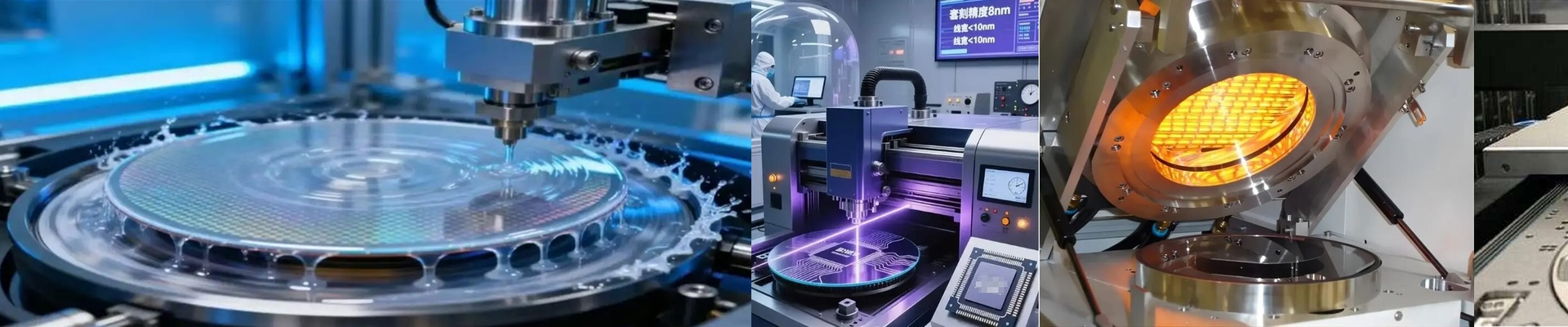
Everyone’s pushing for carbon neutrality in the fab these days. That’s why we’re seeing a big move toward infrared (IR) heating lamps. They’re just smarter—instead of heating the whole room like an old convection oven, they blast the heat exactly where it needs to go. But there’s a catch. IR lamps get hot. Fast. If you don’t have a precision thermocouple keeping a close eye on things, you’re playing a dangerous game. One slip and you’ve either fried your lamps or, worse, ruined an entire batch of wafers. The struggle with thermal feedback Here’s the thing: the temperature jump in a semiconductor setup is steep. You need a sensor that can keep up with those rapid ramp-ups without lagging behind. If your sensor drifts even a little, your PID controller starts overshooting. That puts a ton of thermal stress on the substrate, and that’s where the real headaches begin. Picking the right gear Depending on how hot your process gets, we usually go with platinum-based or Type K thermocouples. But it’s not just about the material; it’s about where you put the thing. You have to make sure the sensor isn’t “seeing” the lamp. If it picks up the direct radiation from the lamp instead of the actual workpiece, you’ll get a false high reading. To stop that, we use ceramic shielding or specific offset mounts. It’s the only way to know for sure that you’re measuring the part, not the light. The trade-offs you can’t ignore There’s always a compromise. To get those millisecond reaction times, you need thinner sensor sheaths. The problem? Thin sheaths get beat up quickly in high-heat environments. You’re basically balancing speed against how long the sensor lasts. My advice? Get on a calibration schedule every six months. If you let the drift slide, your energy efficiency tanks because the lamps stay on way longer than they should just to hit the setpoint. And a quick tip on the wiring: IR power supplies are noisy. They create a lot of EMI that can mess with your signal. Stick with twisted-pair shielded cables. Otherwise, your temperature readings will jump all over the place, and your heaters will spend all their time “hunting” for the right temp, wasting power in the process.