


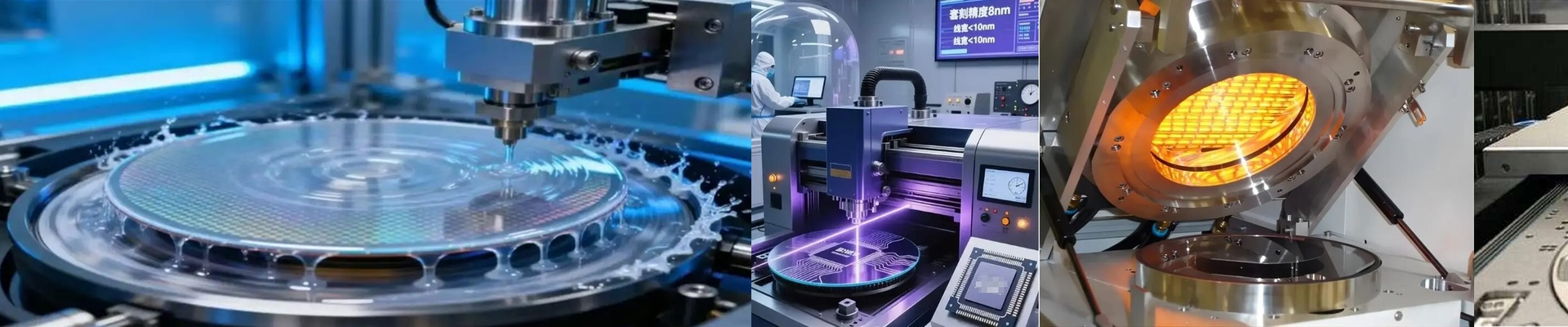
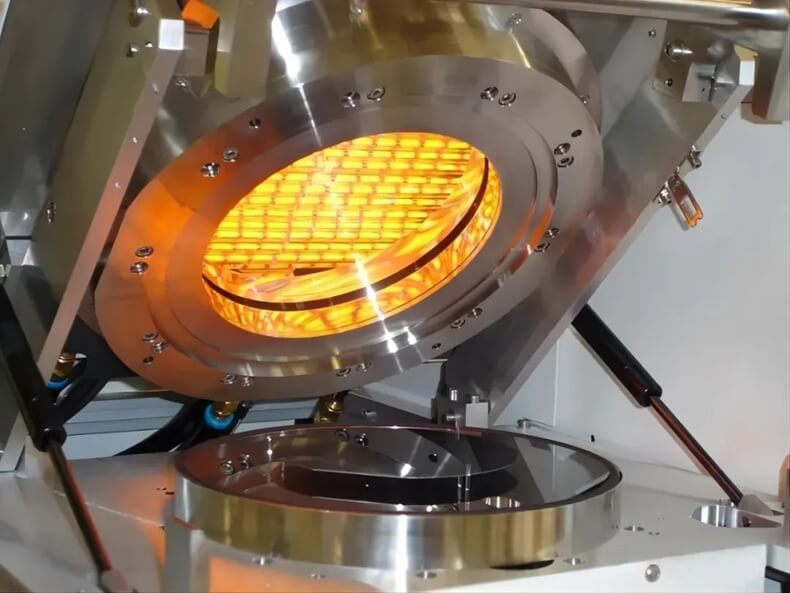
When you’re making hydrogen sensors, you’re playing a high-stakes game. One single speck of dust—just one—can ruin an entire batch. That’s why standard heaters are a nightmare in a Class 100 cleanroom. Most of them shed particles or leak gases the moment they start heating up. It’s a liability you just can’t afford. We handle this by using high-purity quartz infrared lamps. Here is why that actually matters. We use synthetic fused silica for the lamp envelope. This stuff barely moves when it gets hot. It doesn’t crack, it doesn’t flake, and because it’s pure quartz, there are no weird binders or impurities that turn into vapor at high temperatures. The heat moves via short-wave IR radiation. It hits your substrate directly. It doesn’t waste time heating up the air around it, which is great because it means you don’t get those convection currents that kick up dust from the floor. And let’s talk about the “burn-in” phase. You’ve probably seen typical halogen lamps. They often use cheap adhesives or seals that smoke or release VOCs the first time you turn them on. We don’t do that. We use specialized hermetic seals and high-grade electrodes, and we strip away every single organic coating. The result? A lamp that stays clean and quiet during curing or deposition. No “off-gassing,” no surprises. Now, there is a catch. These lamps are incredibly intense. You can hit your target temperature in seconds. But because they’re so powerful, you have to be careful with how you mount them. If you clamp the quartz too tight, the tube will just snap under the thermal stress. My advice? Use floating mounts. Give the lamp some room to breathe. Getting these into your production line is pretty simple. We’ll give you the exact wattage and length you need to fit your footprint. That way, the heat is uniform across the entire sensor wafer. No hot spots. No contamination. Just raw, clean heat.