


Keeping Your Bathroom Infrared Heaters Safe (And Dry)
Putting a heating lamp in a bathroom is a bit of a gamble if you don’t do it right. You’ve got steam everywhere and metal surfaces all around. If you’re wiring up a towel rail, the biggest nightmare is “leakage current”—basically, electricity sneaking where it shouldn’t. To stop that, we focus on two things: beefing up the insulation and locking down the terminals.
The Secret to Solid Insulation
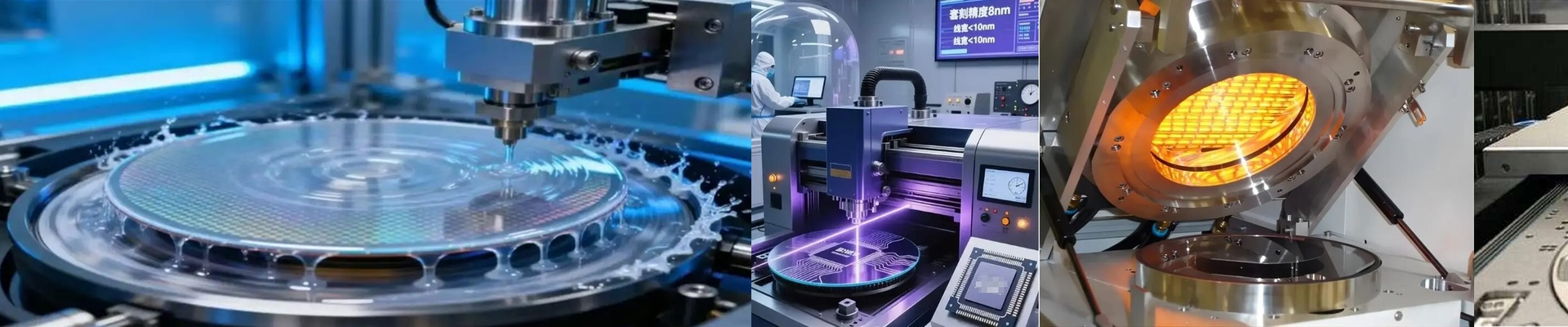
We don’t mess around with the materials here. We use high-grade quartz glass and ceramic end-caps. Think of these as the heavy-duty shield between the hot tungsten filament and the metal frame of the rail. We build these to handle voltage spikes way higher than your standard 220V-240V. Why? Because moisture loves to find a way across a surface to create a bridge for electricity. We make sure that bridge is impossible to build.
Plugging the Leaks
Most heaters fail at the same spot: where the lamp meets the power lead. If you use a basic open socket, the humidity will eat the contacts or cause a short circuit. It’s only a matter of time. Instead, we use IP-rated sealed connectors. We’re talking silicone gaskets and potted wiring that basically locks the moisture out. It’s the difference between a leaky faucet and a sealed vault.
The Balancing Act: Heat vs. Safety
Here’s the catch. When you add all this heavy-duty sealing and insulation, you’re adding “mass.” This can trap heat around the connection points. If there’s no airflow, that heat builds up and can actually wear down the wire insulation over time. That’s why the housing has to be designed to breathe. You need that heat to vent, or you’re just trading one problem for another. Before any of these units go near a shower, we put them through a high-pot tester. We stress the insulation to its limit to make sure it holds. Only then do they leave the shop.