


How to pick the right infrared lamp for your bathroom
Here is a common mistake: thinking that the biggest wattage is always the best. It’s not. If you just go for the most powerful lamp you can find, you’ll either bake yourself alive or just waste a ton of electricity. The trick is matching the heat to the actual size of your room. We use short-wave infrared because it doesn’t bother trying to warm up all the air in the room—it just beams the heat directly onto you. It’s like stepping into a patch of sunlight on a cold day.
Getting the wattage right
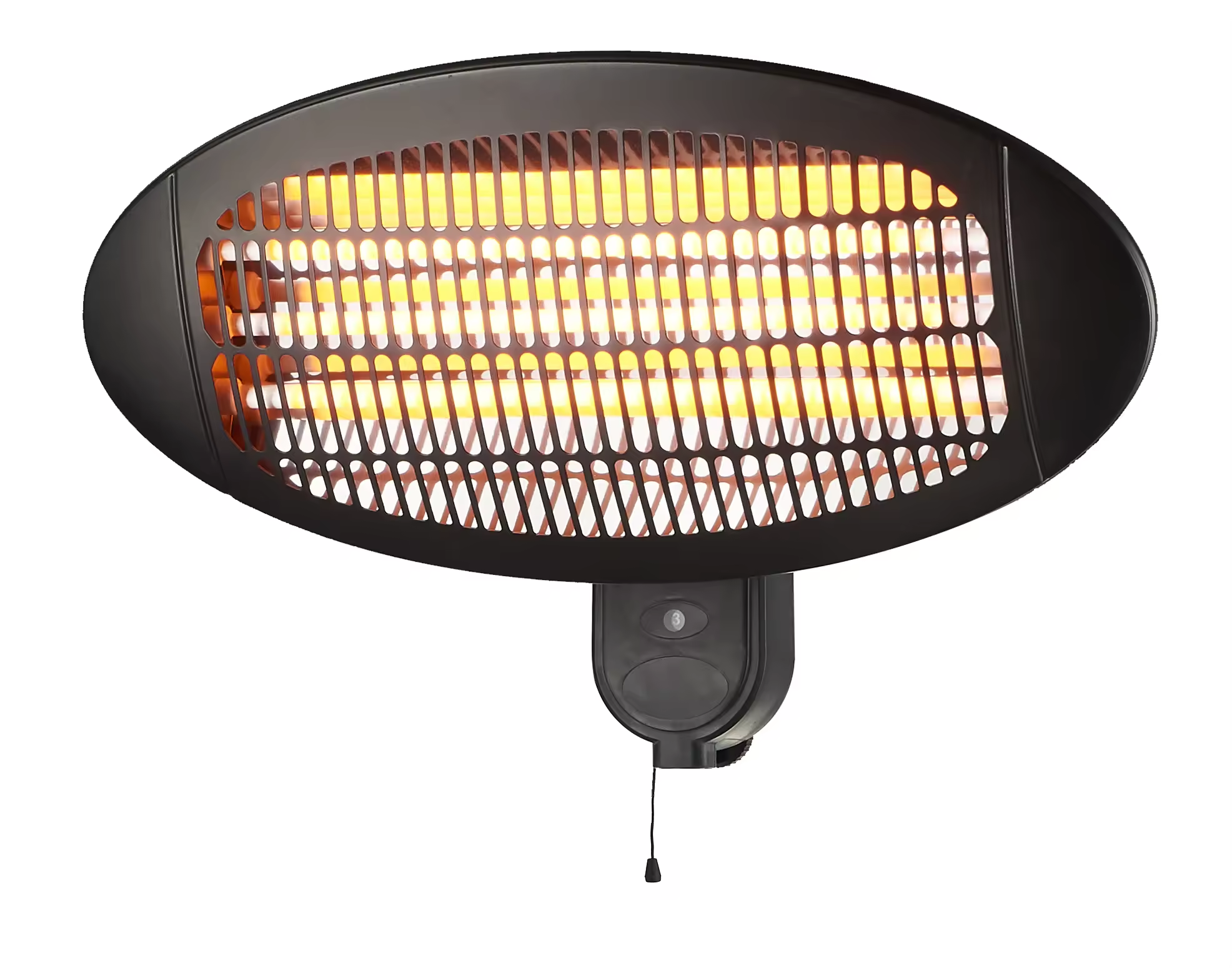
If you’ve got a tiny bathroom (under 4m²), you don’t need much. A single 250W to 400W lamp usually does the trick. It keeps things cozy without turning the room into a sauna. But for those bigger bathrooms—anywhere from 6m² to 10m²—you’ll want a multi-lamp setup. We usually suggest something in the 600W to 800W range. And a quick heads-up: don’t overdo it in a small space. If you cram too much power into a tiny room, the lamp can actually “heat soak” and burn out way faster than it should. On the flip side, if you go too low in a big room, the heat just disappears before it ever reaches you.
The gear inside
Most of our lamps use quartz glass and halogen gas. That sounds technical, but all it really means is that the filament can run hotter without breaking, so the lamp lasts longer. They usually come with R7s or SK15 connectors, which is great because you can just pop a new one in without any fuss. One thing to look at is the glass. Clear tubes give you that intense, direct heat. Coated tubes soften the light, so you aren’t blinded by a glare while you’re brushing your teeth, though the heat spreads out a bit differently.
A word on your wiring
High-wattage lamps get you warm fast. But they also pull a lot of power. Before you install a heavy-duty 3-lamp 800W array, just make sure your breakers and wiring can actually handle it. If your wiring is old or poorly done, you’ll get voltage drops. That’s a fancy way of saying the lamp won’t work as well as it should, and you’ll end up killing the efficiency of the whole system.