
Cutting Carbon in Biosensor Fab: Why We Switched to IR
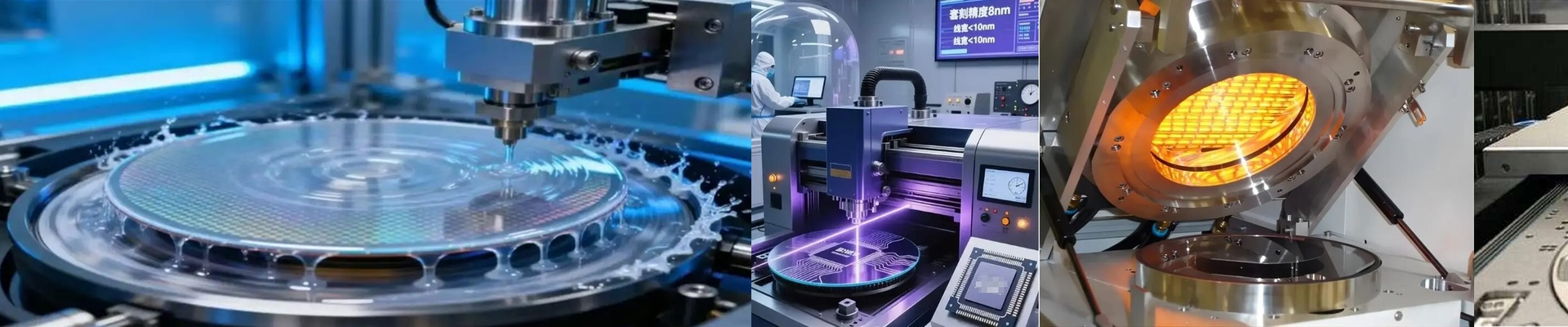
Making biosensors is all about those tricky curing and drying cycles. For a long time, the industry just leaned on old-school convection ovens. But here’s the thing: heating up a massive volume of air just to warm up a tiny sensor is a total waste of power. We decided to swap those ovens for infrared (IR) lamp systems. It’s a simple move, but it makes a huge dent in the factory’s carbon footprint because we stop paying to heat the air and start heating the actual product. Getting the heat where it actually matters Nobody likes it when substrates warp. To stop that from happening, you need to get the heat in fast. That’s where IR shines. Instead of waiting for hot air to circulate, the lamps beam energy straight onto the wafer. There’s no lag. No waiting around. Since we can target specific absorption bands, the energy goes exactly where it’s needed. Your throughput speeds up, and your power bill goes down because you aren’t burning kilowatts just to keep a big metal box hot while you’re loading and unloading parts. Picking the right wavelength We don’t just throw any lamp at the problem. We pick the wavelength based on what the sensor is actually made of. If we’re dealing with thicker substrates, we go with short-wave IR to get deep inside. For those thin organic films on the surface? Medium-wave does the trick. We also use coated quartz envelopes. They act like sunglasses for the equipment, filtering out UV radiation so it doesn’t fry the sensitive biological reagents on the sensor. The reality of the setup If you’re trying to build a “Green Factory,” swapping bulky heating elements for compact IR arrays is a no-brainer. It frees up a lot of precious real estate in the cleanroom. But, a word of caution: IR is intense. Because the heat is so localized, things can get hot—really hot—very quickly. If your cooling manifolds aren’t up to the task, you might accidentally melt your sensor housing. To keep things from going south, we use closed-loop PID controllers. They act as a safety net, stopping the temperature from overshooting so you don’t end up with a batch of burnt sensors.