
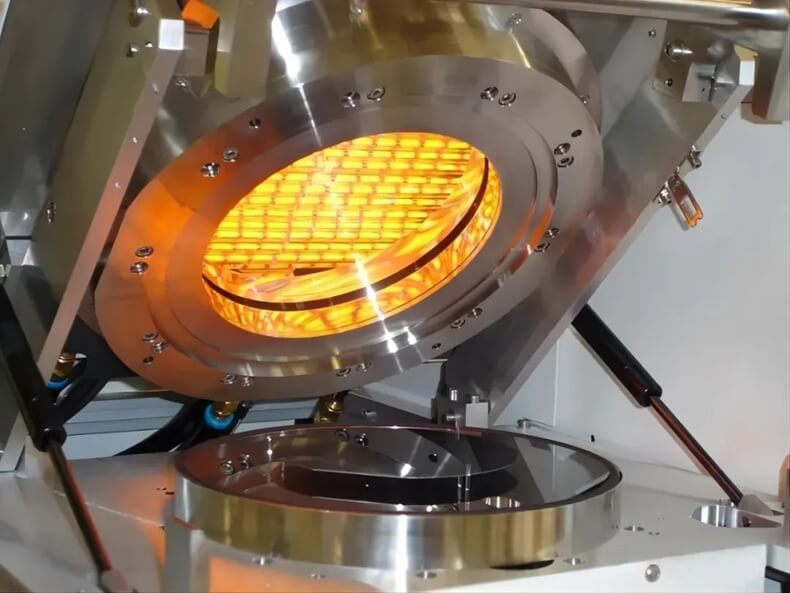
Getting Lead-Free Curing Right with Digital IR
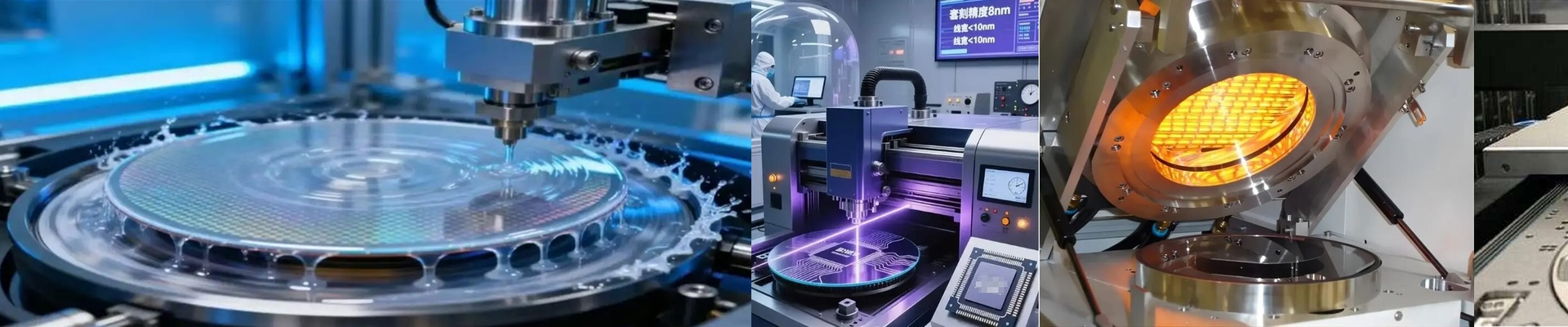
The semiconductor world is pushing hard toward lead-free, eco-friendly standards. It’s a good move, but it makes drying a lot trickier. That’s why we’ve leaned into digital infrared (IR) controllers. Instead of messing around with convection air or harsh chemical solvents, IR just sends energy straight to the substrate. It’s direct. It’s clean.
The tricky part about lead-free curing
Here’s the thing: lead-free solders and adhesives are picky. They have a very narrow “sweet spot” for temperature. If you go too hot? You’ve just warped your substrate or fried a component. It’s a nightmare. Our digital controllers keep a tight grip on that IR intensity. The heat gets deep into the material without scorching the surface. Plus, because it’s direct heat, the whole cycle finishes way faster. Your throughput goes up, and your stress levels go down.
Why you can’t trust old-school controls
Analog controllers are fine until they aren’t. They drift. And in a cleanroom, a tiny 5-degree slip can mean throwing out an entire batch of parts. That’s a lot of wasted money. We use PID logic to stop that “overshoot” from happening. The system watches the surface temperature in real-time and throttles the power to the lamps instantly. You don’t get that sluggish “heat soak” you find in old ovens. It just hits the target and stays there.
The trade-offs (because nothing is perfect)
IR is great for the electric bill because you aren’t wasting power heating the air around the part. You’re only heating the part itself. But wait—there is a catch. IR is “line-of-sight.” If your parts have weird shapes or deep nooks and crannies, the heat won’t hit everything evenly. To fix that, you’ll probably want a multi-angle lamp array or a conveyor system. You just have to make sure every surface gets its fair share of the dose.
Making the switch
We’ve been wiring these controllers into automated lines to replace those clunky, aging forced-air ovens. When you move to digital IR, you can toss the VOC filtration systems and reclaim a bunch of floor space. It’s a simple way to hit those green certifications without slowing down your production line. It just works.